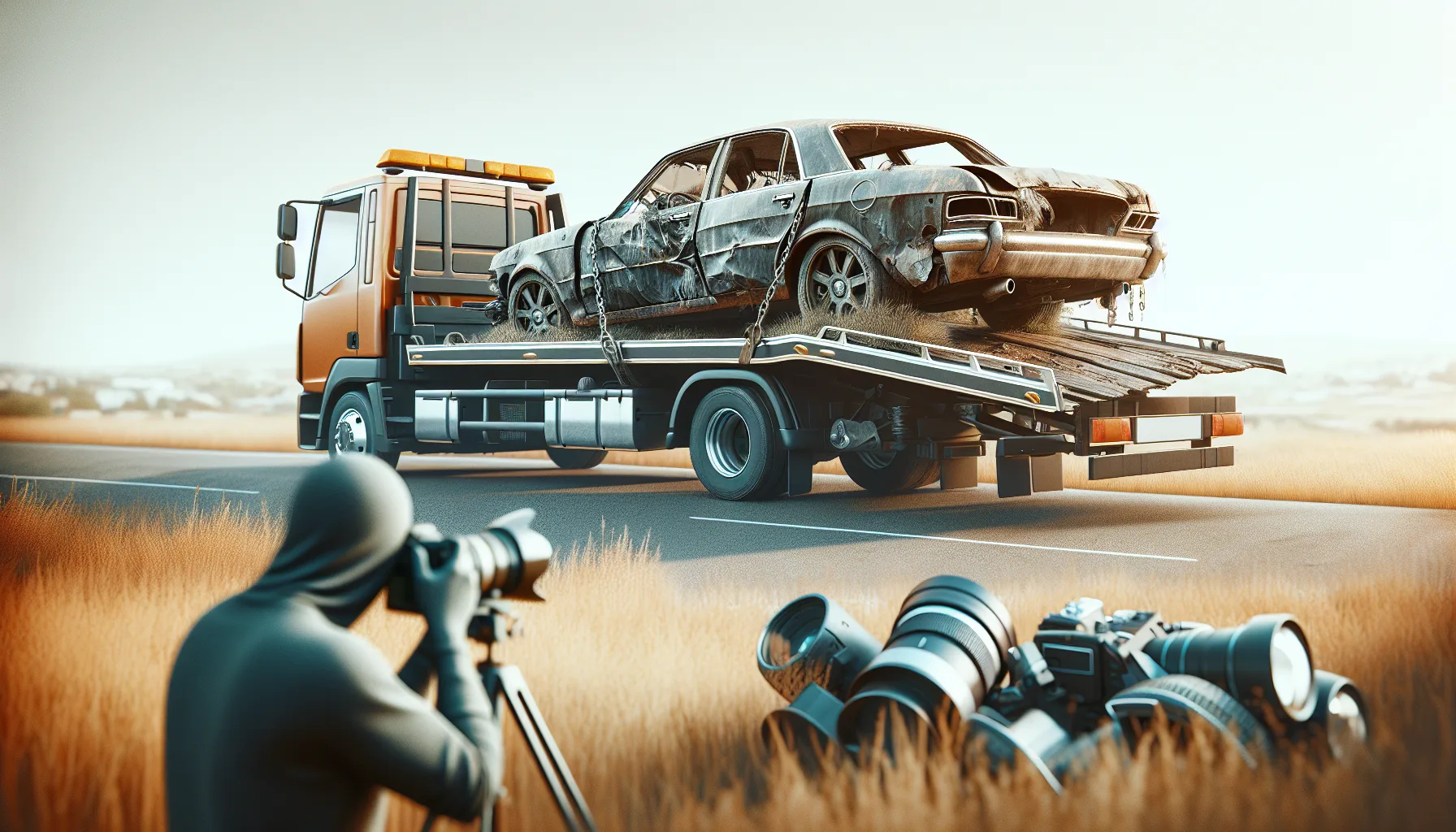
Every vehicle begins its journey on an assembly line and eventually ends up in a scrap yard, completing a fascinating lifecycle that spans decades. Understanding this process helps Raleigh car owners make informed decisions about when to sell my car fast Raleigh and transition their vehicle to its final stage. Modern vehicles undergo tremendous changes from their manufacturing debut to their eventual recycling, creating value at every step of the journey.
The automotive lifecycle represents more than just transportation history. It demonstrates how materials, technology, and economics intersect to create sustainable solutions for end-of-life vehicles. For North Carolina residents dealing with aging cars, recognizing where your vehicle sits in this cycle helps determine the best time to pursue cash for junk cars Raleigh services.
Manufacturing and Early Life: The Birth of Your Vehicle
Your car's journey starts in manufacturing facilities where raw materials transform into complex transportation machines. Steel, aluminum, plastic, and hundreds of other components come together through precision engineering. Modern vehicles contain approximately 2,000 pounds of steel, 300 pounds of aluminum, and 200 pounds of plastic materials.
The manufacturing process involves multiple stages: stamping, welding, painting, and final assembly. Quality control systems ensure each vehicle meets safety and performance standards before leaving the factory. This initial phase establishes the foundation for decades of service life.
New vehicles typically carry warranties covering 3-5 years or 36,000-60,000 miles. During this period, cars perform at peak efficiency with minimal maintenance requirements. Depreciation occurs rapidly, with vehicles losing 20-30% of their value within the first year.
Prime Years: Peak Performance and Value Retention
Years 2-8 represent the sweet spot for most vehicles. Cars maintain strong performance while requiring only routine maintenance like oil changes, tire rotations, and brake service. Resale values stabilize during this period, making these vehicles attractive in the used car market.
Mileage accumulation during prime years typically ranges from 10,000-15,000 miles annually. Vehicles with proper maintenance often reach 100,000-150,000 miles while retaining significant functionality. Advanced safety features, fuel efficiency, and reliability make these cars valuable transportation assets.
Technology integration becomes crucial during this phase. Modern infotainment systems, advanced driver assistance features, and connectivity options help vehicles maintain relevance despite aging. Regular software updates extend the useful life of electronic components.
Decline Phase: When Repair Costs Exceed Value
The decline phase begins when repair costs consistently exceed the vehicle's market value. This typically occurs around 10-15 years of age or 150,000-200,000 miles, depending on maintenance history and driving conditions. Major system failures become more frequent during this period.
Common issues include transmission problems, engine wear, suspension failures, and electrical system malfunctions. Replacement parts become expensive, and finding qualified technicians familiar with older models grows challenging. Safety concerns may arise from worn brake systems, compromised structural integrity, or failing airbag components.
Raleigh vehicle owners often struggle with the decision to invest in major repairs or transition to newer transportation. Climate factors in North Carolina, including humidity and occasional severe weather, can accelerate certain types of vehicle deterioration. Rust, interior degradation, and weathering affect both appearance and functionality.
This stage signals the optimal time to research cash for junk cars Raleigh options. Professional evaluation services help determine whether continued investment makes financial sense or if recycling represents the better choice.
End of Life: Transition to Scrap and Recycling
When vehicles reach the end of their useful life, the recycling process begins. Professional junk car removal services evaluate vehicles for salvageable components and recyclable materials. This process recovers approximately 80% of a vehicle's materials for reuse in new products.
Initial steps involve draining fluids: engine oil, transmission fluid, coolant, and brake fluid. These materials undergo specialized treatment to prevent environmental contamination. Battery removal follows strict protocols due to toxic materials requiring proper disposal methods.
Valuable components get harvested before the crushing process. Catalytic converters, electronic control modules, and functional parts enter the secondary market. The remaining shell undergoes shredding, where powerful magnets separate ferrous metals from non-ferrous materials.
Platforms like SMASH connect scrap yards with metal processors, creating efficient markets for recycled automotive materials. This system ensures maximum value recovery from end-of-life vehicles while supporting environmental sustainability goals.
The Economic and Environmental Impact of Vehicle Recycling
Vehicle recycling generates substantial economic activity across North Carolina and beyond. The automotive recycling industry processes over 12 million vehicles annually in the United States, creating jobs and supporting local economies. Raleigh residents benefit from competitive pricing when they choose to sell vehicles for scrap.
Steel recovered from scrapped vehicles supplies approximately 25% of the raw material for new car production. This closed-loop system reduces mining requirements and energy consumption associated with primary steel production. Aluminum recycling provides even greater environmental benefits, requiring 95% less energy than producing new aluminum from ore.
The connection between North American recycling markets strengthens through scrap metal recycling Canada partnerships. Cross-border trade optimizes material flows and ensures efficient processing of recovered metals. SMASH facilitates these connections by providing transparent auction platforms for scrap metal transactions.
Environmental regulations drive continuous improvement in recycling processes. Mercury switches, lead wheel weights, and refrigerants receive special handling to prevent ecological damage. Advanced sorting technologies increase recovery rates while reducing waste sent to landfills.
Understanding your vehicle's lifecycle position helps make informed decisions about timing your transition to scrap services. Whether dealing with mounting repair costs or simply ready to upgrade, professional evaluation services provide clarity about your options. Platforms like SMASH make it easy to connect with reputable buyers who offer fair pricing for end-of-life vehicles.
The journey from factory to scrap yard represents remarkable value creation and environmental stewardship. When you're ready to complete your vehicle's lifecycle, free scrap car pickup from GetMyScrapCar provides convenient solutions. Professional services handle all logistics while ensuring you receive competitive compensation for your vehicle's materials. Take advantage of schedule your free scrap car removal to begin the process today. For additional guidance on timing your vehicle's transition, read more junk car removal guides that address common concerns. International markets continue expanding through connections like Canada's B2B scrap metal auction platform, creating stronger demand for recycled materials.
Frequently Asked Questions
Q: How do I know when my car has reached the end of its lifecycle?
Your car has likely reached end-of-life status when annual repair costs exceed 50% of the vehicle's current market value. Other indicators include repeated failures of major systems, inability to pass safety inspections, or structural damage that compromises safety.
Q: What's the best way to sell my car fast in Raleigh when it's no longer roadworthy?
Contact professional junk car removal services that offer free pickup and instant quotes. These services evaluate your vehicle's scrap value and handle all paperwork, making the process quick and convenient even for non-running vehicles.
Q: How much can I expect to receive for cash for junk cars in Raleigh?
Scrap car values depend on current metal prices, vehicle weight, and recyclable components. Typical ranges vary from $200-$500 for standard vehicles, though prices fluctuate based on market conditions and vehicle condition.
Q: What happens to my car after it's picked up by a scrap service?
Professional services drain all fluids, remove valuable components, and process the remaining materials through shredding and separation. Approximately 80% of your vehicle's materials get recycled into new products, supporting environmental sustainability.
Q: Do I need to prepare my vehicle before scrap car removal?
Remove all personal belongings and ensure you have the vehicle title available. Professional services handle fluid drainage and component removal, so no additional preparation is typically required from vehicle owners.
Get a free quote for your scrap car — schedule free pickup at getmyscrapcar.com.