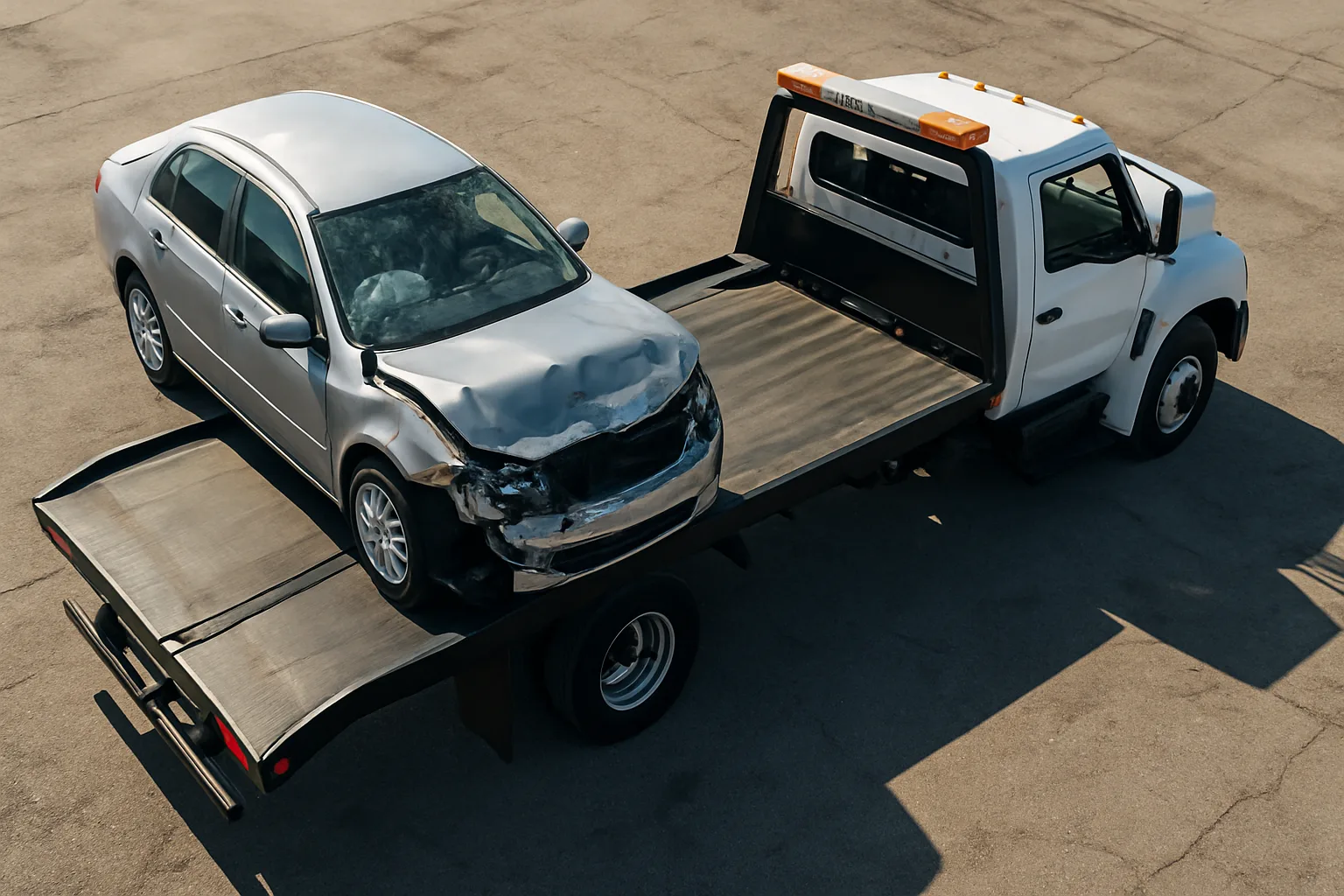
What Happens to Your Wrecked Car After an Accident? Here's How to Get Cash for It
Every year, millions of vehicles across the United States are declared total losses after accidents. Insurance companies write them off. Owners are left holding titles to cars that won't start, won't drive, and won't sell on a normal used-car lot. If you're sitting on a wrecked vehicle right now — in a driveway, a storage lot, or a tow yard — you have more options than you think. And one of those options puts real cash in your pocket.
Getting cash for junk cars in Fort Lauderdale after a collision is more straightforward than most people realize. But there are steps you need to know, documents you need to gather, and decisions you need to make before you start calling around. This guide walks you through all of it.
Understanding What Your Wrecked Car Is Actually Worth
Here's the honest truth: a car that's been in a serious accident is worth less than an equivalent clean vehicle — but it's not worth nothing. Scrap and salvage buyers don't care if your bumper is attached. They care about what's inside and what it weighs.
When a buyer evaluates a wrecked car, they're looking at several factors:
- Curb weight and metal content — Heavier vehicles (trucks, SUVs, full-size sedans) yield more scrap steel and typically command higher payouts.
- Salvageable parts — Even a totaled car may have a working alternator, transmission, intact airbags (pre-deployment), or usable body panels.
- Catalytic converter condition — This is often the most valuable single component on a scrap vehicle. If your converter survived the crash intact, that matters. Some sellers choose to sell catalytic converters through North America's B2B scrap metal auction platform to maximize recovery on this specific part.
- Current scrap metal prices — Steel, aluminum, and copper markets fluctuate daily. Where prices sit when you sell directly affects your payout.
- Make, model, and year — High-demand vehicles (even wrecked) attract more buyer interest because parts are easier to resell.
Your best move is to get multiple quotes. Don't accept the first number someone throws at you over the phone. The spread between the lowest and highest offer on the same wrecked vehicle can be significant.
Step-by-Step: How to Scrap a Car That's Been in an Accident
The process isn't complicated, but skipping steps creates problems. Follow this sequence and you'll avoid the headaches most first-timers run into.
- Contact your insurance company first. If you haven't already settled your claim, do that before selling anything. Once you accept a settlement and transfer the title, the insurer may retain salvage rights. Understand exactly what you're signing before you sign it.
- Get your title sorted. A clean title is your most important document. If your car was totaled by insurance, they may issue you a salvage title. Some buyers accept salvage titles; others require a clean one. Know which you have before you start calling buyers.
- Gather supporting documents. You'll typically need a government-issued photo ID, your vehicle title (salvage or clean), and your license plate (rules vary by state). In Florida, you'll surrender your plates to the DMV or transfer them — confirm this step before your car gets towed.
- Remove your personal belongings. Sounds obvious. It isn't. Check the glove box, under the seats, in the trunk, in any door pockets. People lose phones, sunglasses, important paperwork, and car seats this way.
- Cancel your insurance and registration. Don't keep paying premiums on a car you no longer own. Notify your insurer the day the vehicle transfers.
- Get multiple quotes and compare. Call at least two or three buyers. Use a service like free scrap car pickup from GetMyScrapCar to get a straightforward offer without the runaround.
- Confirm pickup logistics. Can the car be driven? Is it on its wheels? Is it in a tow yard you're paying daily storage on? These details affect scheduling and sometimes the offer itself.
- Transfer the title and get paid. Never hand over the keys without receiving payment and a signed bill of sale. Keep a copy of the signed title transfer for your records.
If your wrecked car is sitting in a Fort Lauderdale driveway or a Broward County impound lot, time is money. Storage fees add up fast. Move through these steps quickly once you've made the decision to sell.
The Title Question: Salvage vs. Clean — What Buyers Actually Accept
This is where a lot of people get stuck. After an accident, especially one where the insurance company declared the vehicle a total loss, you may end up with a salvage title. Florida issues salvage certificates of title for vehicles that sustain damage exceeding 80% of their fair market value. That's a different document than a regular certificate of title, and not every buyer treats them the same way.
For scrap and junk car buyers, a salvage title is usually fine. They're not going to rebuild and resell the vehicle — they're going to part it out or crush it. What they need is proof that you legally own the car and have the right to sell it. A salvage title satisfies that.
Private party buyers and dealerships are a different story. If you're hoping to sell a repairable wreck to someone who'll fix it up, a salvage title in Florida limits your buyer pool significantly. Know your audience before you spend time trying to sell to the wrong one.
If you've lost your title entirely, you'll need to apply for a duplicate through the Florida DHSMV before you can complete any legal sale. Don't skip this step — selling a vehicle without proper title documentation creates legal exposure for you.
Fort Lauderdale-Specific Considerations When Selling a Wrecked Car
Fort Lauderdale and the surrounding Broward County area has a dense network of salvage yards, tow operators, and vehicle buyers. That's good news — competition in this market means you shouldn't have to accept the first low offer you get.
A few things worth knowing if you're in this market:
- Florida's heat and humidity accelerate rust and deterioration. A wrecked car sitting outside in Fort Lauderdale for months loses value faster than the same car sitting in a dry climate. If you're on the fence about selling, sooner is smarter.
- Tow yard fees in Broward County accumulate quickly. If your vehicle was towed after an accident and is sitting in a private impound lot, you may be accruing daily storage charges. Factor this into your timeline.
- Florida requires you to notify the DMV when you sell a vehicle. Use the Notice of Sale form to protect yourself from liability after the transfer. This is a simple online process but don't skip it.
- South Florida buyers are active. There's genuine demand for scrap vehicles and parts in this region. You're not begging someone to take your car — you have leverage if you use it.
For cash for cars in Florida after an accident, the key is moving efficiently through the paperwork and not accepting the first quote you receive. If you want a no-hassle starting point, schedule your free scrap car removal and get a real number to work with.
What About the Catalytic Converter and Other Valuable Components?
Before you hand your wrecked car over to a buyer, it's worth understanding what the most valuable parts actually are. Most sellers leave money on the table because they don't ask the right questions.
The catalytic converter is frequently the highest-value individual component on a scrap vehicle. It contains platinum group metals — platinum, palladium, and rhodium — that are recovered and resold into industrial supply chains. Even on an older vehicle with a totaled body, an intact cat can be worth a meaningful amount depending on the vehicle make and current PGM spot prices.
If you want to maximize recovery and have some flexibility in how you sell, some sellers choose to separate the converter and sell catalytic converters through specialized channels rather than bundling everything into a single junk car offer. Platforms built for the B2B scrap market — like SMASH, North America's B2B scrap metal auction platform — create competitive pricing environments that can help reveal true market value rather than accepting whatever a single buyer quotes.
Beyond the catalytic converter, other components worth knowing about include:
- Alternators and starters (if functional)
- Transmissions and differentials
- Undamaged interior components (seats, electronics)
- Aluminum rims and wheels
- Battery (if it holds a charge)
- Copper wiring harnesses
If you sell the car whole to a junk buyer, that buyer will extract and sell these components themselves — and price their offer accordingly. There's nothing wrong with that. It's fast and simple. Just know what you're trading off.
Common Mistakes to Avoid When Scrapping an Accident Vehicle
Most of the ways people lose money in this process come down to avoidable errors. Here are the ones that show up most often:
- Accepting the first offer without shopping. Even in a hot market, buyer quotes vary. Get at least two or three before committing.
- Selling before settling with insurance. If your insurer is still processing a claim, selling the vehicle prematurely can complicate or void your payout.
- Ignoring tow yard timelines. Storage fees can eat into your payout. If the car is impounded, act quickly.
- Not confirming title requirements. Different buyers have different requirements. Ask upfront whether they accept salvage titles.
- Forgetting to cancel registration and insurance. You're on the hook for both until you officially notify the right parties.
- Leaving personal or valuable items in the car. Once it's gone, it's gone.
For more guidance on navigating the junk car process from start to finish, read more junk car removal guides on the GetMyScrapCar blog — there's practical information there for every situation, not just accident vehicles.
If you're ready to move forward, getting a quote is the right first step. No pressure, no commitment — just a real number based on what your wrecked car is actually worth today. GetMyScrapCar offers free pickup across the Fort Lauderdale area and handles the logistics so you don't have to. Get a free quote and schedule your pickup at getmyscrapcar.com — it takes a few minutes and gets the process started.
Disclaimer: Scrap metal and junk car prices fluctuate based on market conditions, vehicle condition, and location. Always verify current rates when requesting a quote.
Frequently Asked Questions
Q: Can I get cash for a junk car in Fort Lauderdale if it has a salvage title?
Yes. Most junk car buyers and scrap removal services in Fort Lauderdale accept salvage titles. They're not reselling the vehicle — they're scrapping or parting it out. As long as you can prove legal ownership, a salvage title is typically sufficient to complete the sale.
Q: How much cash can I get for a wrecked car in Fort Lauderdale?
Payouts vary based on vehicle weight, make and model, condition of valuable components like the catalytic converter, and current scrap metal prices. Heavier trucks and SUVs generally yield more than compact cars. Get multiple quotes to understand what your specific vehicle is worth in today's market — don't rely on a single offer.
Q: Do I need to tow the car myself to sell it for scrap?
No. Reputable junk car removal services like GetMyScrapCar pick up your vehicle at no charge. Free pickup is standard in this industry — if a buyer is asking you to pay towing fees, get another quote.
Q: What documents do I need to scrap a car in Florida after an accident?
You'll need your vehicle title (salvage or clean), a valid government-issued photo ID, and your license plate. Florida also recommends filing a Notice of Sale with the DHSMV to protect yourself from liability after the transfer. If you've lost your title, apply for a duplicate through the Florida DHSMV before arranging a sale.
Q: Does the catalytic converter affect how much I get for my scrap car?
Yes — often significantly. The catalytic converter contains precious metals that hold real value in the scrap market. An intact converter on a totaled vehicle can meaningfully increase your total payout. Ask buyers how they factor the converter into their offer, or explore selling it separately through a specialized channel if you want to maximize that component's recovery value.
Follow SMASH on LinkedIn for scrap metal market updates, industry news, and auction insights: linkedin.com/company/scrap-metal-auction-sales-hub