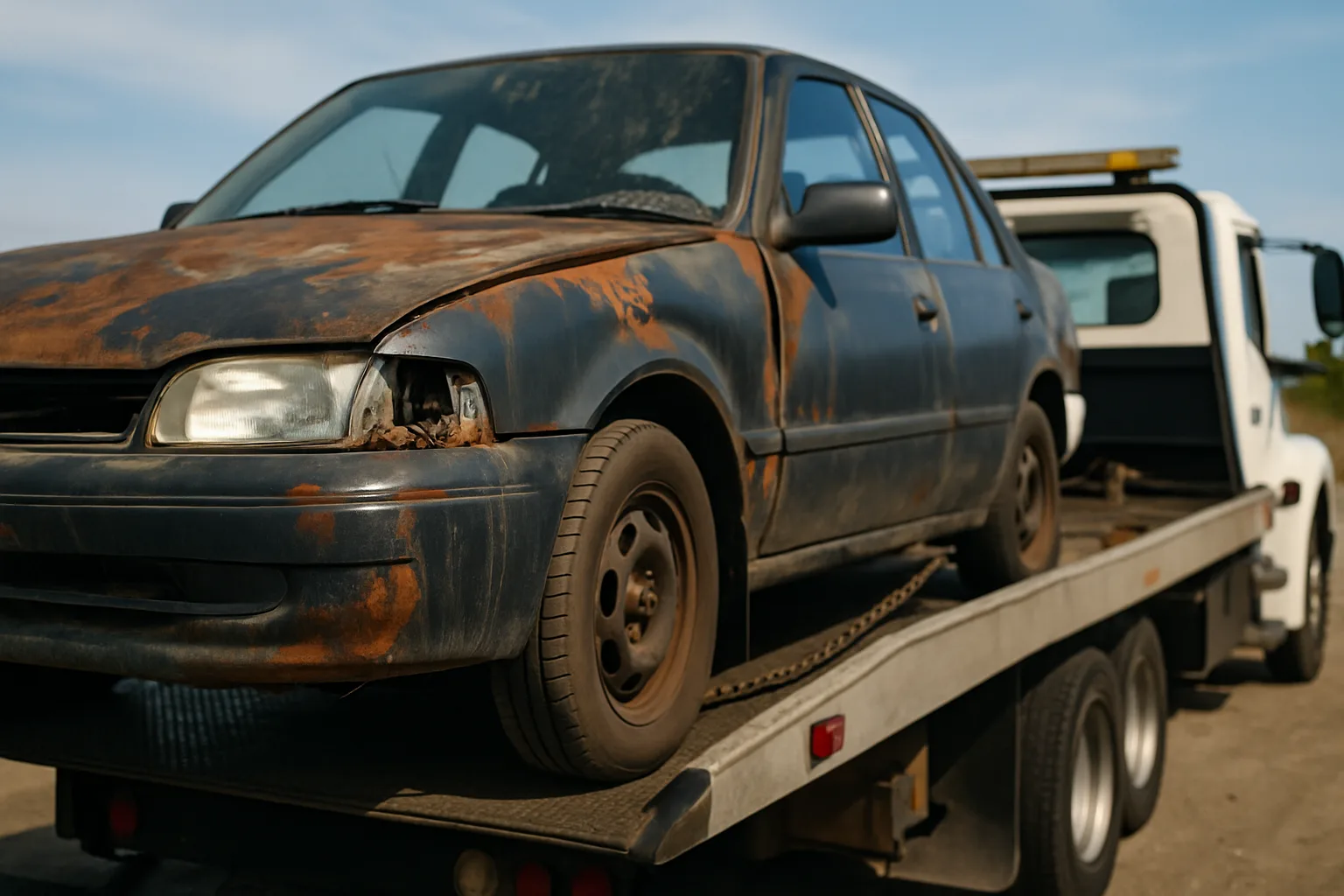
Most people think scrapping a car means dropping off one sedan with a cracked windshield. Fleet scrapping is a completely different operation — and if you own or manage commercial vehicles in Utah, understanding the process can put real money back in your pocket.
Commercial fleet vehicles — delivery vans, box trucks, utility pickups, service rigs — carry more scrap value than the average passenger car. More steel. Heavier frames. Larger engines. Sometimes catalytic converters stacked in multiples. When a fleet reaches end-of-life, the recycling process is more involved, but the payoff reflects that. Whether you're managing five vehicles or fifty, knowing how this works helps you make smarter decisions about timing, documentation, and who you sell to.
If you've been searching for cash for cars Salt Lake City and you're dealing with commercial units rather than a single junk car, this guide is for you.
What Makes Fleet Vehicles Different at the Scrap Yard
A commercial fleet vehicle isn't just a bigger car. It's built heavier, maintained differently, and carries components that recyclers value differently than standard passenger units. That changes how the scrap process works from the first phone call to the final settlement.
Here's what sets commercial vehicles apart when they hit the recycling chain:
- Gross vehicle weight: A full-size cargo van can weigh 5,000–7,000 lbs. A medium-duty box truck pushes past 10,000 lbs. More steel means a higher base scrap value per unit.
- Engine size and type: Fleet trucks often run diesel. Diesel engines contain more cast iron and aluminum than smaller gas engines — both non-ferrous and ferrous metals with real value.
- Catalytic converters (cats): Commercial vehicles typically carry larger cats. Some utility trucks carry multiple units. Cats contain platinum, palladium, and rhodium — the most valuable components on most end-of-life vehicles.
- Aluminum content: Cargo doors, lift gates, wheel rims, and transmission housings on newer fleet units often use aluminum alloy — worth significantly more per pound than steel at most yards.
- Wiring and copper: Heavy-duty electrical systems, auxiliary equipment wiring, and trailer connections add copper weight that scrappers account for.
When you're scrapping fleet vehicles in Salt Lake City or anywhere across Utah, a recycler who understands commercial vehicles will evaluate all of these components — not just crush weight. That distinction matters when you're comparing offers.
Step-by-Step: How a Commercial Fleet Vehicle Gets Recycled
The recycling process for a commercial vehicle follows a logical sequence. Each stage recovers value while reducing what ends up in a landfill. Here's what actually happens from pickup to processed metal.
- Depollution: Before anything else, fluids get removed. Engine oil, transmission fluid, coolant, brake fluid, power steering fluid, diesel exhaust fluid — all extracted and handled as regulated waste. Fuel tanks are drained. Refrigerants from A/C systems are recovered. This step is legally required and environmentally critical.
- High-value component removal: Catalytic converters, batteries, starters, alternators, and usable tires come off first. These get resold or processed separately. A single cat from a heavy-duty truck can carry meaningful value depending on the precious metal market that day.
- Parts harvesting: If the vehicle has low-mileage components in good condition — engines, transmissions, axles, differentials — a yard may pull these for resale into the used parts market before shredding the shell.
- Non-ferrous separation: Aluminum, copper, brass, and stainless steel get sorted out before the vehicle goes to a shredder. This separation process adds significant value because non-ferrous metals fetch much higher prices than bulk steel.
- Shredding: The remaining steel shell goes through an industrial shredder. What comes out is shredded steel — a commodity sold to mills and foundries that melt it down into new steel.
- Material sorting and sale: The shredded output goes through magnets, eddy current separators, and air classifiers to separate steel, non-ferrous metals, and fluff (foam, plastic, glass). Metals are baled or containerized for sale to mills. Fluff goes to landfill or, increasingly, to energy recovery facilities.
The whole process for one fleet vehicle might take hours at the yard. For a large fleet decommission, recyclers often coordinate scheduled pickups, on-site fluid removal, and staged processing. Platforms like smashscrap.com are built to handle exactly this kind of volume — connecting fleet sellers with vetted buyers who compete for loads, not just single units.
Documentation and Title Requirements for Commercial Fleets
This is where fleet scrapping gets operationally serious. Passenger cars need a title. Commercial fleet vehicles carry the same requirement — plus additional layers depending on the vehicle type, gross vehicle weight rating (GVWR), and how the fleet was registered.
In Utah, the Division of Motor Vehicles requires a clean title or a proper release of liability before a commercial vehicle can be legally transferred to a scrap yard or recycler. For fleet operators, this means:
- Confirming title status for each unit — especially if vehicles were leased, financed, or carried liens
- Resolving any outstanding registrations or violations before transfer
- Ensuring fleet management records align with VIN documentation (VIN lookup tools at reputable platforms catch mismatches before they become problems)
- Obtaining proper bill of lading (BOL) documentation if vehicles are being transported across state lines for processing
Missing documentation doesn't just delay the sale — it can kill the deal entirely. Get your paperwork sorted before you call for pickup. If you're a fleet manager scrapping multiple units at once, run a VIN check on every vehicle before you schedule removal. It saves time and avoids surprises at the yard.
What Commercial Fleet Vehicles Are Worth as Scrap in Salt Lake City
Scrap values for fleet vehicles depend on several variables: current steel and non-ferrous metal prices, vehicle weight, component condition, and the buyer you're selling to. Prices fluctuate daily based on commodity markets — always check current rates before making decisions.
That said, here's a realistic framework for how commercial fleet vehicles compare to standard passenger cars at the scrap yard:
- Full-size cargo van (Ford Transit, Ram ProMaster): Heavier than a sedan, more aluminum content, potentially two cats depending on the model year and engine configuration.
- Pickup trucks (F-250, F-350, Ram 2500/3500): Heavy-duty pickups often carry diesel engines, large catalytic converters, and aluminum beds. They consistently return higher scrap values than comparable-year sedans.
- Box trucks and step vans: Steel-heavy. High crush weight. Aluminum lift gates add non-ferrous value. Diesel engines common. These are typically the highest-value units in a standard commercial fleet.
- Utility vehicles and service trucks: Vary widely depending on configuration, upfit equipment, and auxiliary components still attached.
The key takeaway: don't guess your fleet's scrap value based on what a neighbor got for a 2009 Civic. Commercial vehicles exist in a different weight and component class. Get multiple quotes. Let buyers compete. That's exactly how free scrap car pickup from GetMyScrapCar and competitive auction-based platforms give fleet operators better price discovery than a single cold call to one local yard.
In Salt Lake City and across Utah, scrap demand is active. The proximity to regional steel mills and recycling infrastructure means competitive buyers are accessible — you just need to reach more than one of them.
How SMASH Helps Fleet Operators Get Better Outcomes
Selling one junk car to the highest bidder is straightforward. Decommissioning a fleet of twelve trucks is a logistics and pricing challenge. The old way — calling one buyer, taking their number, repeating for the next truck — is slow and leaves money on the table.
SMASH is built for exactly this kind of situation. Instead of one call to one buyer, your fleet inventory gets in front of vetted buyers who submit competitive offers. More buyers means better price discovery. Documented inventory — photos, VINs, component notes — gives buyers confidence to bid higher because the risk is lower.
SMASH's platform handles inventory tracking, photo documentation, serial tracking, and auto-invoicing. For a fleet manager scrapping ten vehicles at once, that infrastructure saves hours of administrative work and produces a clean paper trail. No subscription fees — SMASH only wins when the seller wins.
Whether you're managing a Salt Lake City delivery fleet or a regional service operation across Utah, platforms like SMASH make it easy to run a proper competitive process instead of accepting the first number you hear.
Ready to Scrap Your Fleet? Start Here
Fleet scrapping doesn't have to be complicated — but it does require a process. Get your titles in order. Document your vehicles. Understand which components carry the most value. And work with buyers who actually compete for your loads instead of taking a single quote and hoping it was fair.
If you have a single junk vehicle you need out of a Salt Lake City driveway or a commercial lot in Utah, schedule your free scrap car removal today and get a real quote without the runaround. The process is straightforward, the pickup is free, and you get paid when the vehicle leaves.
Want more guidance on navigating the scrap and junk car process? Read more junk car removal guides to find practical advice on pricing, paperwork, and what to expect at every step.
Frequently Asked Questions
Q: Can I get cash for cars in Salt Lake City if the vehicle is a commercial truck, not a passenger car?
Yes. Commercial vehicles are fully eligible for scrap and junk car programs. In many cases, they return higher values than passenger cars due to heavier weight, larger engines, and more valuable components like diesel cats and aluminum parts. Contact a buyer who specifically handles commercial units to get an accurate quote.
Q: Do I need a title to scrap a fleet vehicle in Utah?
Yes. Utah requires a valid title or proper release documentation to legally transfer a vehicle for scrapping. For commercial fleet units, resolve any liens, leases, or registration issues before scheduling pickup. A missing or unclear title will delay or cancel the transaction.
Q: How long does commercial fleet scrap pickup take in Salt Lake City?
For a single unit, same-day or next-day pickup is common with most reputable services. For multi-vehicle fleet decommissions, scheduling is typically coordinated in advance — often within a few business days depending on the size of the lot and transport logistics.
Q: What affects junk car prices today for commercial vehicles?
Current steel and non-ferrous metal commodity prices are the biggest driver. Vehicle weight, condition, component completeness (especially cats and aluminum parts), and local buyer demand all factor in. Prices move daily — always check current rates and get multiple quotes before committing. Prices fluctuate and past rates don't guarantee current values.
Q: Is there a difference between scrap car removal for fleets vs. individual vehicles?
The core process is the same — depollution, component removal, shredding, metal recovery. The difference is scale, documentation complexity, and logistics. Fleet removals often involve coordinated multi-unit pickups, consolidated invoicing, and more detailed inventory documentation. Working with a platform that handles volume makes this significantly easier.
---Stay current on scrap metal market movements and industry insights — follow SMASH on LinkedIn for regular updates.