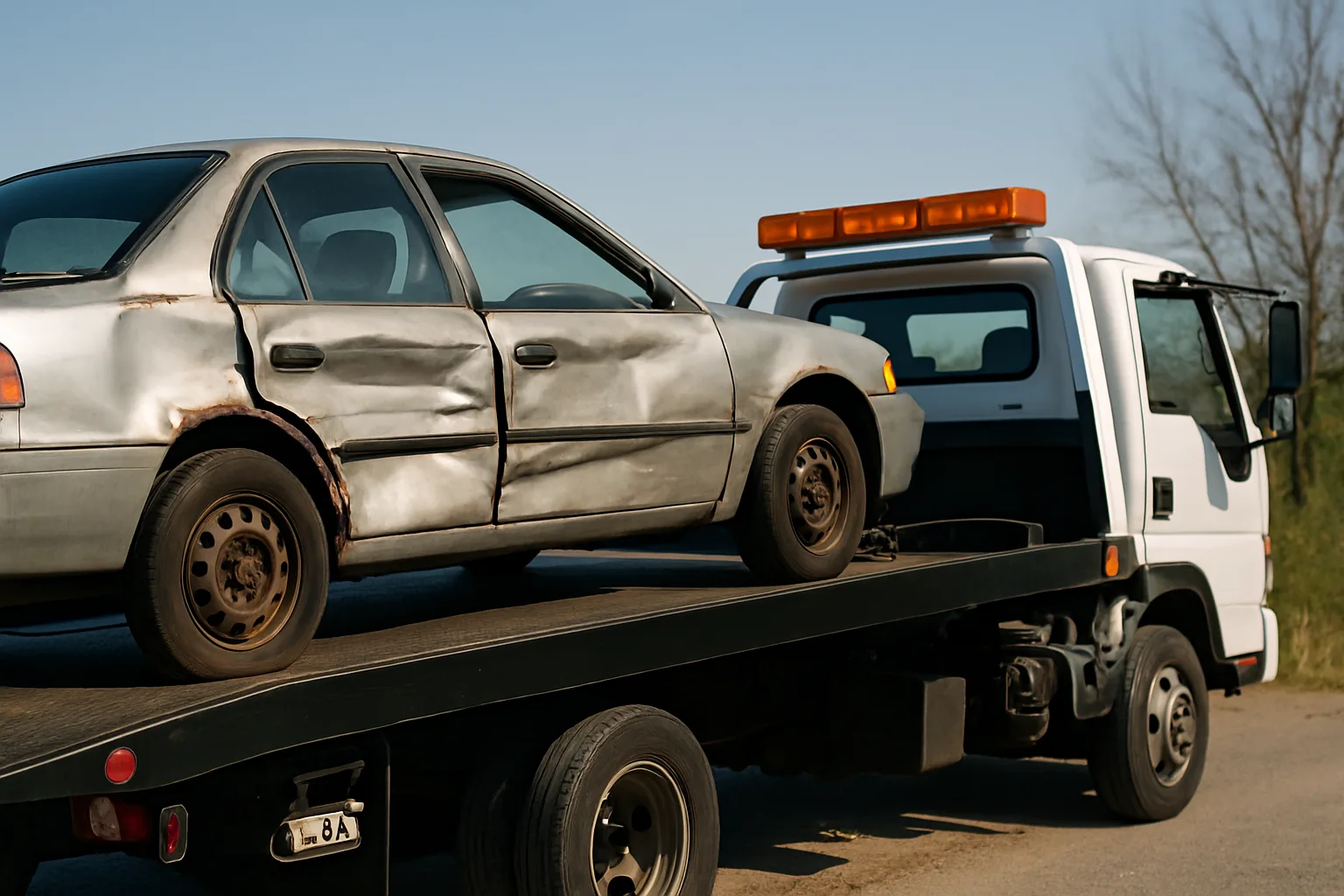
Flood-Damaged vs. Fire-Damaged Cars: What Richmond Sellers Need to Know Before Cashing Out
Most people don't plan for their car to end up underwater or scorched in a garage fire. But it happens — and when it does, the question isn't whether to keep the vehicle. It's how to get the most out of it before it becomes a liability sitting in your driveway. If you're in Richmond, Virginia and you're staring at a damaged vehicle wondering how much is my salvage vehicle worth, this guide breaks it down honestly.
Flood and fire damage are not created equal. They affect value differently, they attract different buyers, and they move through salvage and recycling channels in different ways. Understanding those differences puts money in your pocket. Let's get into it.
How Flood Damage and Fire Damage Affect Scrap and Salvage Value Differently
A flood-damaged vehicle and a fire-damaged vehicle both carry a salvage title — but what's left under the hood is a very different story. Flood damage is sneaky. The frame might look fine. The engine might turn over. But water destroys electronics, corrodes metal from the inside out, and creates long-term mechanical nightmares that make most buyers walk away. Insurance companies total flood vehicles for a reason.
Fire damage, on the other hand, is more visible — and sometimes more recoverable. A vehicle that caught fire in the engine compartment but left the rear half intact may still have usable parts: rear axles, suspension components, catalytic converters, and non-ferrous metals that fetch real money at a recycling yard. The scrap value of a fire-damaged vehicle often depends on how much of the vehicle's metal structure survived the heat without warping or oxidizing beyond use.
Here's a quick breakdown of how each type of damage typically plays out at the point of sale:
- Flood-damaged vehicles: Often have higher scrap weight intact, but lower parts value. Electronics, interior, and wiring are typically total losses. Steel and aluminum content is still recyclable.
- Fire-damaged vehicles: May retain higher parts value depending on burn location. Catalytic converters ("cats") on the underside of vehicles can survive cabin fires. Scrap metal content varies based on structural integrity after heat exposure.
- Both types: Carry branded/salvage titles in Virginia, which limits resale options significantly. Your best realistic exit is a junk car buyer, salvage auction, or scrap recycler.
5 Things That Determine How Much Your Damaged Car Is Worth in Richmond
Before you accept the first offer someone throws at you, know what actually drives the number. Salvage value isn't random — it's calculated, even if the buyer across from you doesn't show their work.
- Vehicle weight and metal composition. Scrap buyers pay by the pound. A full-size pickup truck that got flooded is still going to weigh 4,000–5,000 lbs. That steel has value regardless of what happened to the interior. Smaller sedans weigh less and return less at scrap — usually in the range of a few hundred dollars, though exact prices shift with the commodities market.
- Salvageable parts. This is where fire-damaged vehicles can sometimes outperform flood vehicles. A partially burned truck with an intact catalytic converter, working rear differential, and undamaged aluminum wheels may attract parting-out buyers who pay a premium over pure scrap weight.
- Year, make, and model. Popular vehicles mean available parts demand. A flooded 2019 Ford F-150 in Richmond still has buyers looking for its parts. An older, discontinued model with a niche market has fewer takers.
- Title status. In Virginia, a salvage title is required once an insurer declares a total loss. Selling a flood or fire vehicle without the proper title creates legal problems. Buyers who are serious will ask for it — and those who don't are ones you want to avoid.
- Current scrap metal prices. Steel, aluminum, and copper prices fluctuate based on global demand. What a recycler pays per ton today may be different next month. Always check current rates — we'll say more on this below.
If you're trying to nail down a number, platforms like sell your scrap metal on the SMASH marketplace exist precisely to remove the guesswork. When multiple vetted buyers compete for your load, you get price discovery instead of a single lowball number from a guy who called you first.
The Old Way vs. the SMASH Way: Selling a Damaged Vehicle Without Getting Burned Twice
Here's how most people in Richmond sell a flood or fire-damaged car: they call one buyer, accept whatever number they're given, and hand over the keys. That's it. No competition. No transparency. No idea if the offer was fair or not.
The problem isn't that individual buyers are dishonest — it's that a single offer is never a market. It's one data point from someone with every incentive to pay you less. That's the old way, and it costs sellers real money.
SMASH operates differently. The platform connects scrap sellers with vetted buyers through a competitive auction format. Your damaged vehicle's details — weight, condition, photos, VIN — go into a documented listing. Buyers compete. You see what the market actually says your vehicle is worth. That's not a sales pitch, that's how price discovery works.
For damaged vehicles specifically, documentation matters even more. Fire and flood damage requires buyers to assess risk before bidding. SMASH's photo documentation and inventory tools let you show exactly what's there — salvageable parts, metal condition, title status — so serious buyers bid with confidence instead of padding their lowball offer to cover uncertainty.
If you're in Richmond and dealing with a damaged vehicle, free scrap car pickup from GetMyScrapCar takes the logistics off your plate entirely. No towing arrangements, no haggling at the curb.
Virginia Title and Legal Considerations for Flood and Fire Vehicles
Selling a salvage vehicle in Virginia isn't complicated — but there are rules you need to follow to avoid problems down the road.
Virginia requires a salvage title on any vehicle declared a total loss by an insurer. If your car was totaled by flood or fire and you retained the title, that title is now branded as salvage. You cannot sell it as a clean-title vehicle — and any buyer who tells you that doesn't matter is someone you should walk away from immediately.
Here's what you need to have in order before selling a damaged vehicle in Virginia:
- The salvage title — issued by the Virginia DMV after your insurer declares a total loss. If you kept the vehicle after the insurance payout, the title in your hand should reflect salvage status.
- Vehicle identification — your VIN is critical. It connects to vehicle history, recall records, and helps buyers verify what they're actually purchasing.
- Odometer disclosure — required in Virginia for most vehicle sales regardless of condition.
- Bill of sale — document the transaction clearly. Legitimate buyers provide this. If a buyer refuses paperwork, that's a red flag.
Getting the paperwork right protects you from liability after the sale. Once that vehicle leaves your property, you want a clean paper trail confirming the transfer.
Step-by-Step: How to Sell Your Flood or Fire-Damaged Car in Richmond, Virginia
If your vehicle has been damaged and you're ready to move it, here's how to handle it without leaving money on the table or dealing with unnecessary headaches.
- Confirm your title status. Contact the Virginia DMV or your insurer to verify your title is properly branded as salvage. Don't try to sell without this resolved.
- Document the vehicle thoroughly. Take photos of all four sides, the engine bay, interior, undercarriage, and any visible damage. Note which components appear intact — especially high-value items like the catalytic converter, battery, or aluminum wheels.
- Get multiple offers. Never accept the first number. Use a competitive platform like SMASH to let buyers come to you with bids, or collect at least three independent quotes before deciding.
- Confirm towing arrangements. Most legitimate junk car buyers in Richmond provide free pickup. If a buyer is quoting you a net price after deducting towing fees, factor that into your comparison.
- Complete the paperwork. Sign over the title, get a bill of sale, and notify the Virginia DMV of the transfer. Remove your license plates — in Virginia, plates stay with the owner, not the vehicle.
- Schedule your removal. Once the deal is confirmed, schedule your free scrap car removal and hand over the keys. The vehicle is out of your name, off your property, and converted to cash.
For salvage metal that isn't part of a complete vehicle sale, Richmond scrap metal services can help you handle individual components that survive the damage.
Want more guidance on navigating junk car sales? Read more junk car removal guides for step-by-step breakdowns on titles, pricing, and what to expect from the pickup process.
A Note on Scrap Metal Prices: Why You Should Always Check Before You Sell
Scrap metal pricing is not fixed. Steel, aluminum, and copper prices move with global commodities markets — which means what a recycler in Richmond paid per ton last quarter may be meaningfully different from today's rate. The same flood-damaged Silverado can return different numbers depending on when you sell it.
This is one more reason why competitive bidding beats a single phone call. If steel prices are up, multiple buyers in a competitive format will reflect that in their offers. If you're relying on one buyer's quote, you have no way of knowing whether that number reflects the market or just their margin.
Disclaimer: Scrap metal prices fluctuate based on market conditions. Always check current rates before selling. The figures referenced in this article are general estimates and not guarantees of pricing.
Ready to stop guessing? Get a free quote for your scrap car and schedule free pickup at GetMyScrapCar — no subscription, no runaround, just a straight offer for your damaged vehicle.
Follow SMASH on LinkedIn for scrap metal market updates and industry insights that help you sell smarter: SMASH on LinkedIn.
Frequently Asked Questions
Q: Can I get cash for a flood-damaged car in Richmond, Virginia?
Yes. Flood-damaged vehicles still have scrap value based on their metal content and any intact salvageable parts. Even a fully non-running, water-logged vehicle can return cash at a legitimate junk car buyer or recycler. The key is getting multiple offers rather than accepting the first number you hear.
Q: How much is my fire-damaged car worth in Richmond?
It depends on the extent of the damage, the vehicle's weight, and current scrap metal prices. A fire-damaged vehicle with an intact undercarriage — including catalytic converters and frame metal — is worth more than one that has been structurally compromised. Get your vehicle documented and request competitive bids to find out what the market will actually pay.
Q: Do I need a salvage title to sell a flood or fire-damaged car in Virginia?
Yes. Virginia requires a salvage-branded title on any vehicle declared a total loss by an insurer. Selling without proper title documentation creates legal liability for you as the seller. Make sure your title reflects the correct status before approaching any buyer.
Q: Will someone pick up my damaged car for free in Richmond?
Most reputable junk car removal services in the Richmond area offer free towing as part of the transaction. Confirm upfront that the quote you're given is net of any towing fees — some buyers quote a higher number and subtract removal costs at pickup, which reduces your actual payout.
Q: Does SMASH buy flood and fire-damaged vehicles?
SMASH is a marketplace that connects sellers with vetted buyers — including those who specialize in salvage and damaged vehicles. Rather than selling to one buyer blindly, SMASH lets multiple buyers compete for your vehicle or scrap metal, which can lead to better price discovery. It's the competitive alternative to the single-buyer phone call.