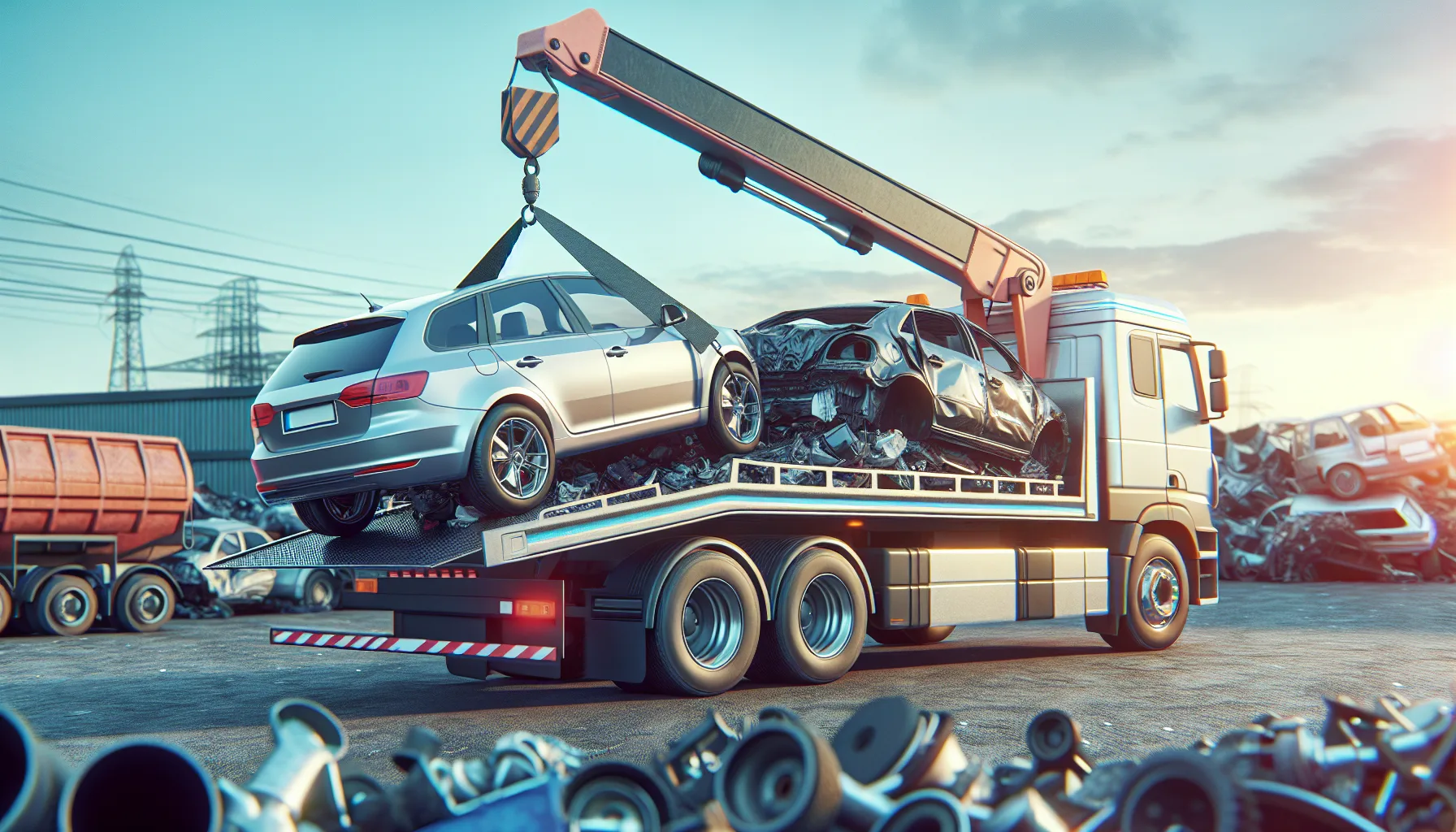
Weight Advantage: Why Heavy Vehicles Generate Higher Scrap Values
The most obvious advantage heavy vehicles hold in the scrap market stems from their superior metal content. A typical sedan weighs around 3,000 pounds, while full-size pickup trucks often exceed 5,000 pounds. Large SUVs like the Chevrolet Suburban or Ford Expedition can reach 6,000 pounds or more when fully loaded. This weight difference translates directly into scrap value calculations. Most scrap yards price vehicles based on weight multiplied by current steel prices, typically ranging from $150 to $400 per ton depending on market conditions. A 6,000-pound SUV contains approximately three tons of recyclable material, while a compact car might yield only 1.5 tons. Beyond raw weight, heavy vehicles often contain higher-grade steel in their frames and suspension components. Truck frames use thicker gauge steel to handle towing and hauling loads, making them more valuable to steel mills that prioritize quality over quantity. The robust construction required for heavy-duty applications means these vehicles maintain structural integrity longer, preserving more usable metal for recycling. SMASH connects sellers with buyers who understand these weight-based pricing advantages, ensuring heavy vehicle owners receive competitive offers that reflect their vehicle's true scrap metal content. The platform's auction system allows multiple scrap yards to bid on heavy vehicles, often driving prices above standard weight-based calculations.Premium Components That Increase Heavy Vehicle Scrap Worth
Heavy trucks and SUVs contain valuable components that significantly boost their overall scrap value beyond basic steel content. These vehicles typically feature larger catalytic converters designed to handle bigger engines, making them prime targets for precious metal recovery. The platinum, palladium, and rhodium content in heavy-duty catalytic converters often exceeds $200-500 in value alone. Engine blocks in trucks and SUVs are substantially larger and heavier than passenger car engines. A V8 truck engine might weigh 500-700 pounds compared to a four-cylinder engine's 300-400 pounds. These larger engines contain more cast iron and aluminum, both highly recyclable materials with stable market demand. The electrical systems in modern heavy vehicles also contribute to scrap value. Trucks and SUVs require more robust wiring harnesses, larger alternators, and additional sensors for four-wheel drive systems and towing packages. Copper wiring and aluminum components from these systems add measurable value to the overall scrap calculation. Heavy vehicles frequently include aluminum wheels as standard equipment, particularly on higher trim levels. Aluminum wheels command premium prices at scrap yards, often selling for $1-2 per pound compared to steel wheels that might bring $0.20-0.50 per pound. Four large aluminum wheels from a truck can add $50-100 to the vehicle's total scrap value.Market Factors Affecting Heavy Vehicle Scrap Pricing in 2026
Current market conditions in 2026 favor heavy vehicle scrap due to increased infrastructure spending and steel demand. The ongoing expansion of renewable energy projects requires substantial amounts of recycled steel, driving up prices for heavy structural materials commonly found in trucks and SUVs. Supply chain disruptions continue to impact new vehicle production, making recycled automotive metals more valuable. Steel mills prioritize heavy-gauge materials from truck frames and SUV bodies because they require less processing to achieve the quality standards needed for new automotive applications. Pennsylvania's industrial sector, including the Pittsburgh region, maintains strong demand for recycled metals due to its manufacturing base. Local steel production facilities actively seek high-quality scrap inputs, creating competitive markets that benefit sellers of heavy vehicles in the area. The **SMASH scrap metal auction** platform reflects these market dynamics by connecting sellers with buyers actively seeking heavy vehicle inventory. Real-time bidding ensures that current market conditions translate into fair pricing for vehicle owners, whether they're in Pittsburgh or anywhere else in Pennsylvania. Regional variations also affect pricing, with areas near steel mills and manufacturing centers typically offering higher rates. Pennsylvania's proximity to major industrial centers provides advantages for heavy vehicle scrap sales, as transportation costs to processing facilities remain lower than in more remote regions.Processing Challenges That Impact Heavy Vehicle Valuations
While heavy vehicles contain more valuable materials, they also present unique processing challenges that can affect final scrap values. The size and weight of these vehicles require specialized equipment for handling and dismantling, influencing how scrap yards price their acquisitions. Heavy-duty suspensions and drivetrain components require additional labor to remove valuable parts before crushing. Four-wheel drive systems, transfer cases, and heavy-duty transmissions contain significant amounts of aluminum and steel, but extracting these components demands more time and expertise than processing standard passenger cars. The sheer size of truck and SUV bodies can strain smaller scrap yard operations. Processing facilities must have adequate space and equipment to handle oversized vehicles, which may limit the number of potential buyers in some markets. However, facilities equipped to process heavy vehicles often pay premium prices to maintain steady inventory flows. Environmental regulations also impact heavy vehicle processing. Larger fuel tanks must be completely drained and cleaned, while extensive air conditioning systems require proper refrigerant recovery. These additional steps add processing costs that may slightly reduce the net value offered to sellers. Platforms like SMASH help navigate these processing considerations by matching heavy vehicles with buyers who have appropriate facilities and equipment. The competitive bidding process ensures that processing costs don't unfairly reduce seller compensation, as buyers factor their capabilities into their bid strategies.Maximizing Heavy Vehicle Scrap Value Through Strategic Selling
Timing plays a crucial role in maximizing heavy vehicle scrap returns. Steel prices fluctuate based on global market conditions, seasonal demand patterns, and regional industrial activity. Understanding these cycles helps sellers choose optimal timing for their transactions. Preparation also impacts final value. Removing personal items, draining fluids properly, and providing clear title documentation streamlines the sale process and may result in higher offers. However, sellers should avoid removing valuable components themselves unless they have specific buyers lined up, as the integrated value often exceeds individual part sales. Documentation proves particularly important for heavy vehicles, which may have complex ownership histories or commercial applications. Clean titles, maintenance records, and proof of ownership help buyers process transactions quickly and may result in premium offers. When considering where to **sell scrap car Pittsburgh** residents have multiple options, but platforms that connect sellers with multiple buyers typically generate higher returns than single-buyer transactions. The competitive environment encourages aggressive bidding, particularly for desirable heavy vehicles with high metal content. Market research helps sellers understand realistic pricing expectations. Current scrap metal values, local demand patterns, and seasonal fluctuations all influence final offers. SMASH provides market insights that help sellers make informed decisions about timing and pricing expectations for their heavy vehicles.Technology and Innovation in Heavy Vehicle Scrap Processing
Advanced processing technologies increasingly favor heavy vehicles in scrap valuation calculations. Modern shredding equipment can handle larger vehicles more efficiently, while improved sorting systems better separate valuable materials from mixed scrap streams. Automated dismantling systems now target high-value components in trucks and SUVs, making these vehicles more profitable for processing facilities. Computer-controlled systems can remove catalytic converters, aluminum wheels, and valuable engine components with minimal labor input, allowing processors to offer higher acquisition prices. **Scrap metal inventory management** systems help yards track the value potential of incoming heavy vehicles more accurately. Real-time pricing data and material composition databases allow buyers to make precise offers based on current market conditions and specific vehicle characteristics. Digital platforms like SMASH leverage these technological advances by providing detailed vehicle information to potential buyers. Photos, specifications, and condition reports help buyers assess vehicles remotely, expanding the potential buyer pool and increasing competition for desirable heavy vehicles. The integration of artificial intelligence in scrap valuation systems helps identify premium vehicles that warrant higher offers. Machine learning algorithms analyze historical sales data, current market conditions, and vehicle-specific factors to generate accurate pricing recommendations for both buyers and sellers. The future of heavy vehicle scrap processing continues evolving toward greater efficiency and value optimization. Enhanced recycling technologies and improved material recovery systems will likely increase the premium heavy vehicles command in scrap markets, benefiting sellers who understand how to leverage these advantages effectively. Whether you're dealing with a work truck that's reached the end of its useful life or a family SUV that's no longer economical to repair, understanding how weight and component value interact helps you make informed decisions about scrap sales. With proper preparation and market timing, heavy vehicle owners can capture significant value from their end-of-life vehicles while contributing to sustainable recycling practices. Free scrap car pickup from GetMyScrapCar makes the process convenient, handling all the logistics while ensuring you receive competitive compensation for your heavy vehicle's scrap value. For those looking to maximize returns, find the best price for your scrap on SMASH, where competitive bidding ensures heavy vehicles receive offers that reflect their true market value. The platform's network of qualified buyers understands the premium value heavy vehicles represent, making it easier to schedule your free scrap car removal while securing the best possible price. To stay informed about market trends and heavy vehicle valuations, read more junk car removal guides that help you navigate the evolving scrap market landscape.Frequently Asked Questions
Q: How much more is a heavy truck or SUV worth compared to a regular car for scrap?
Heavy vehicles typically bring 50-100% more than standard cars due to their weight advantage and valuable components. A truck weighing 5,000 pounds might generate $400-800 in scrap value compared to $200-400 for a 3,000-pound sedan, depending on current steel prices and component values.
Q: What makes the scrap car value today different for heavy vehicles in Pittsburgh?
Pittsburgh's proximity to steel mills and manufacturing facilities creates strong local demand for heavy vehicle scrap. The region's industrial base typically offers competitive pricing for trucks and SUVs, often exceeding national averages by 10-20% due to lower transportation costs and steady demand.
Q: Should I remove valuable parts before selling my heavy vehicle for scrap?
Generally, no. The integrated value of a complete heavy vehicle usually exceeds the sum of individual parts due to processing efficiencies and bulk material pricing. Professional scrap buyers can extract maximum value from components while paying competitive prices for complete vehicles.
Q: How do I know if my heavy vehicle qualifies for premium scrap pricing?
Vehicles over 4,500 pounds typically qualify for heavy vehicle pricing. Trucks, large SUVs, commercial vans, and vehicles with aluminum components command premium rates. Platform auctions through services like SMASH help determine exact value through competitive bidding.
Q: What factors affect heavy vehicle scrap prices beyond weight?
Component quality, aluminum content, catalytic converter size, engine type, and current market conditions all influence pricing. Heavy vehicles with intact drivetrains, aluminum wheels, and larger catalytic converters command higher values than those with missing components or damage.
Get a free quote for your scrap car — schedule free pickup at getmyscrapcar.com. Our network understands heavy vehicle values and ensures you receive competitive compensation that reflects current market conditions. Follow SMASH on LinkedIn for the latest industry updates and scrap metal market insights at https://www.linkedin.com/company/scrap-metal-auction-sales-hub.