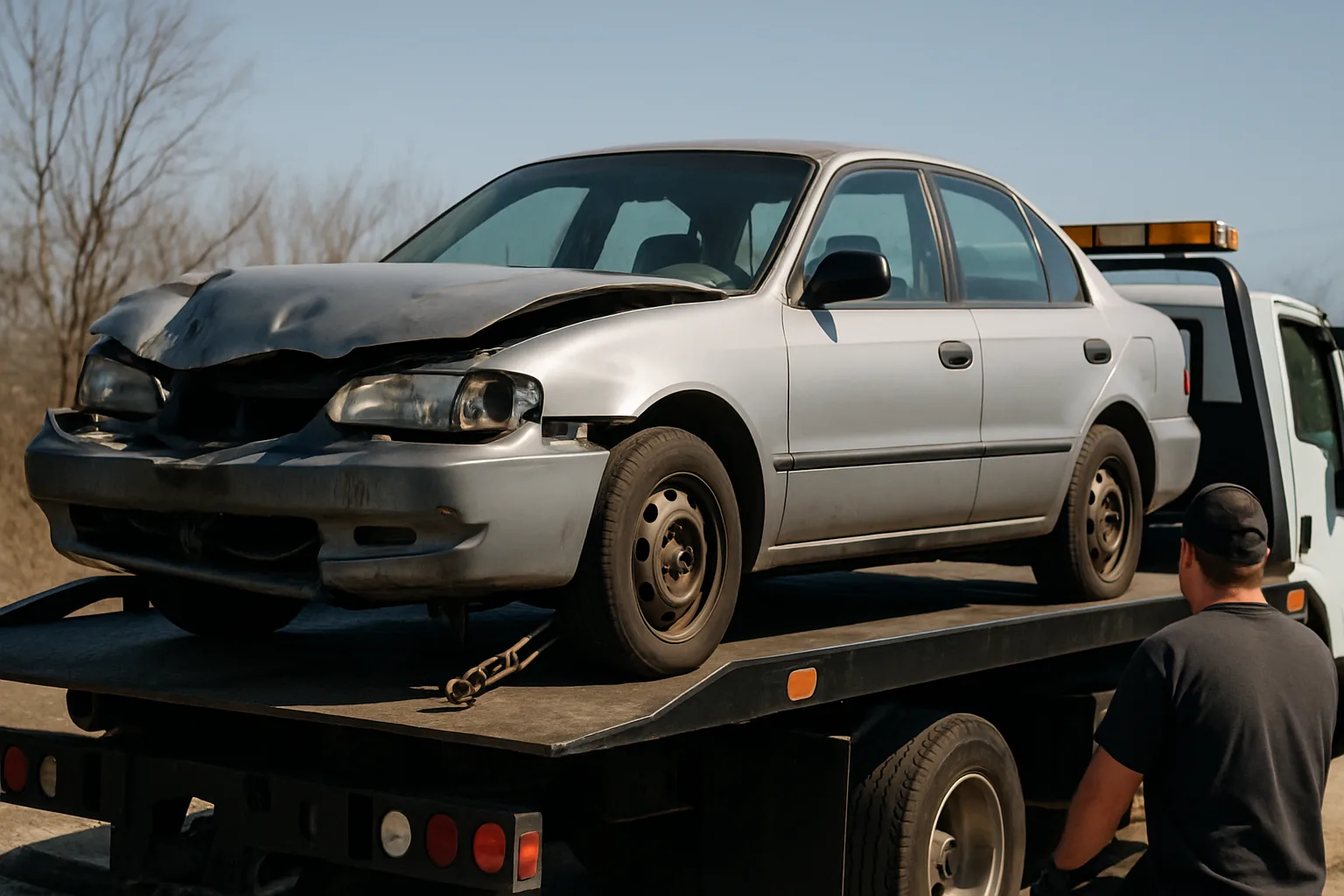
Most people hand over their keys, watch the tow truck pull away, and never think twice about what happens next. But here's the thing — understanding what goes on behind the gates of an auto recycler can actually help you get more money for your vehicle. If you're searching for cash for junk cars Allentown, knowing how the process works puts you in a smarter negotiating position. This is your behind-the-scenes look at what really happens after your car gets picked up — and why it matters to your wallet.
The First 24 Hours: Intake, Inspection, and Fluid Removal
Your car doesn't just sit in a lot after pickup. Within the first day, most recyclers run a full intake inspection. They're cataloguing what you've got — make, model, year, condition, and what parts are likely still sellable. A 2018 Honda Civic with a blown transmission still has a functioning engine, intact body panels, functional electronics, and a full interior. Those parts have real value on the secondary market.
Before anything else gets touched, the vehicle goes through depollution. This is a legal requirement and an environmental necessity. Trained technicians drain and capture:
- Engine oil and transmission fluid
- Coolant and brake fluid
- Power steering fluid
- Refrigerants from the A/C system
- Fuel remaining in the tank
- Battery acid (from the 12V battery, or high-voltage packs on hybrids and EVs)
None of that goes down a drain. Reputable recyclers reclaim and recycle those fluids properly. Pennsylvania environmental regulations hold yards to strict standards here, and for good reason — improperly handled fluids cause serious soil and groundwater contamination. If a yard in the Allentown area isn't following depollution procedures, that's a red flag about how they operate overall.
Part Harvesting: Where the Real Value Lives
After depollution, the salvageable parts come off. This stage is where your old car quietly generates serious money — and it's worth understanding so you can have an informed conversation before you sell my car for cash Allentown style, quick and uninformed.
High-value parts typically removed and resold include:
- Catalytic converters — often the single most valuable component, containing platinum, palladium, and rhodium
- Engines and transmissions — if functional, these command strong prices from independent shops and DIY mechanics
- Alternators, starters, and AC compressors — rebuilt and resold constantly
- Body panels and doors — high demand for common makes and models
- Wheels and tires — especially alloy wheels in good condition
- Infotainment systems and electronic control modules — increasingly valuable as vehicles get more tech-heavy
- Seats and interior trim — sold to shops doing insurance repairs or restomods
The catalytic converter deserves special mention. If you've been thinking about whether to sell catalytic converters online separately before handing over the whole car, that's a legitimate strategy — but do your homework first. Platforms like find the best price for your scrap on SMASH connect sellers with vetted buyers who bid competitively on cores and non-ferrous metals, which means you're not guessing what your cat is worth. One buyer, one phone call, take-it-or-leave-it is the old way. Competition is the better way.
From Stripped Shell to Scrap Metal: The Shredding Process
Once the usable parts are off and fluids are removed, what's left is a steel shell. That shell still has value — significant value, actually. The average passenger vehicle weighs between 3,000 and 4,500 pounds, and the body is predominantly steel with some aluminum, copper wiring, and other non-ferrous metals mixed in.
The shell gets crushed into a compact cube or fed directly into an industrial shredder. Shredders can process a full vehicle in seconds. What comes out the other side is a mix of shredded steel (called shredded scrap or #1 shred), non-ferrous metals, and residual fluff (plastics, foam, glass). Powerful magnets separate the ferrous from the non-ferrous. Eddy current separators pull out aluminum and copper. What's left — the shredder fluff — goes to landfill, though the industry is making progress on recovering more of it.
The shredded steel gets baled or loaded and sold to steel mills where it gets melted down and turned into new steel. Your old Chevy Silverado could end up as rebar, auto parts, or appliances. That's the circular economy in action, and it's one reason cash for cars Pennsylvania operations exist at the scale they do — the metal markets are real, liquid, and global.
To schedule your free scrap car removal and start this process for your vehicle, you don't need to manage any of this yourself. GetMyScrapCar handles the logistics so you don't have to.
How Metal Prices Affect What You Get Paid — Right Now in 2026
This is the part most sellers don't think about until they're already negotiating. The price a recycler offers you for your sell car for scrap collection isn't arbitrary — it's directly tied to current steel and non-ferrous metal commodity prices. When steel prices are up, recyclers can offer more. When they're suppressed, margins get squeezed and offers follow.
In 2026, the metals market continues to be shaped by several factors:
- North American infrastructure investment keeping steel demand elevated
- EV adoption shifting demand for copper and lithium-based components
- Ongoing volatility in platinum group metals (PGMs), which directly affects catalytic converter values
- Trade policy and tariff structures affecting cross-border scrap flows
What does this mean for you in Allentown? It means the quote you get today might be different from the quote you'd get in six weeks. Timing matters. And getting multiple buyers to compete for your load — rather than accepting one offer from one buyer — is how you stop leaving money on the table.
That's exactly where SMASH comes in. find the best price for your scrap on SMASH uses an auction format with vetted buyers to create genuine price competition. No subscriptions, no guessing — you only pay when you sell. More buyers means better price discovery. That's not marketing language, it's just how markets work.
Disclaimer: Metal prices fluctuate based on global commodity markets. Always check current rates before finalizing any scrap transaction.
What Good Documentation Does for Your Payout
Here's something most guides skip over: the condition and documentation of your vehicle affects what you're offered, and not just because of part condition. Recyclers and buyers price risk. If a car comes in with unclear ownership, no title, or undocumented history, the buyer takes on more risk — and they price that in by lowering the offer.
Good documentation means:
- Clean title — proves ownership, removes legal risk for the buyer
- VIN verification — confirms the vehicle is what it's claimed to be, not flagged stolen or salvage-title flipped
- Accurate condition description — mileage, known mechanical issues, missing parts
- Photo documentation — shots of the interior, exterior, engine bay, and undercarriage
SMASH's platform includes VIN lookup, serial tracking, and photo documentation tools — features that give buyers more confidence, which translates into stronger bids. When a buyer can see exactly what they're getting before they commit, they're more willing to bid competitively. That's the transparency advantage.
If you're in Pennsylvania and you haven't dealt with a junk car title before, the process is more straightforward than most people expect. GetMyScrapCar can walk you through what's needed when you free scrap car pickup from GetMyScrapCar is arranged.
Why the Allentown Market Makes This Worth Doing Right
Allentown sits in the Lehigh Valley, a region with a long industrial history and active scrap infrastructure. There's no shortage of buyers and recyclers in the area — which sounds like a good thing, and it is, but only if you're using that competition to your advantage. Too many sellers default to the first yard they call or the first flyer they find in their mailbox.
The smarter move is to document your vehicle properly, understand what the high-value components are (especially that catalytic converter), and let multiple buyers compete. Whether you're clearing a driveway in South Allentown, settling an estate in the West End, or offloading a fleet vehicle at a commercial property, the fundamentals are the same: information and competition equal better outcomes.
For more detailed guidance on the full junk car process, read more junk car removal guides on the GetMyScrapCar blog — it's built specifically for vehicle owners navigating this for the first time.
Ready to move your vehicle? Get a free quote for your scrap car and schedule free pickup at getmyscrapcar.com. The process takes minutes, the pickup is free, and knowing what you now know about what happens after — you're going into it informed.
Frequently Asked Questions
Q: How do I get cash for junk cars in Allentown?
Contact a reputable junk car buyer or removal service, provide your vehicle's VIN, condition, and title information, and get a quote. GetMyScrapCar offers free pickup in the Allentown area — no towing fees, no hassle. Having your title ready speeds up the process significantly.
Q: Does my car need to run to get picked up for scrap in Pennsylvania?
No. Most junk car removal services, including GetMyScrapCar, pick up non-running vehicles. Whether your car won't start, has a blown engine, or has been sitting in a lot for years, it still has scrap and parts value. You don't need to tow it yourself.
Q: Should I remove the catalytic converter before selling my car for scrap?
This depends on your situation. Catalytic converters contain platinum group metals and can be valuable separately — especially on trucks, SUVs, and hybrids. However, removing and selling them separately requires proper documentation and working with vetted buyers. Platforms like SMASH help sellers get competitive prices on cats and cores without guessing.
Q: How long does the scrap car pickup process take in Allentown?
Most pickups can be scheduled within 24 to 48 hours of getting a quote. The actual pickup typically takes 30 minutes or less — the driver handles the paperwork, you sign over the title, and the vehicle gets loaded. Payment is usually handled on the spot or within the same business day.
Q: What affects how much cash I get for my junk car?
Several factors drive the offer: current steel and metal commodity prices, the weight of your vehicle, which salvageable parts are still intact (especially the catalytic converter, engine, and transmission), and whether you have a clean title. Getting multiple buyers to compete — rather than accepting the first offer — is the most reliable way to maximize your payout.
Stay current on scrap metal market trends and industry news — follow SMASH on LinkedIn for weekly market insights and updates from the scrap and recycling industry.