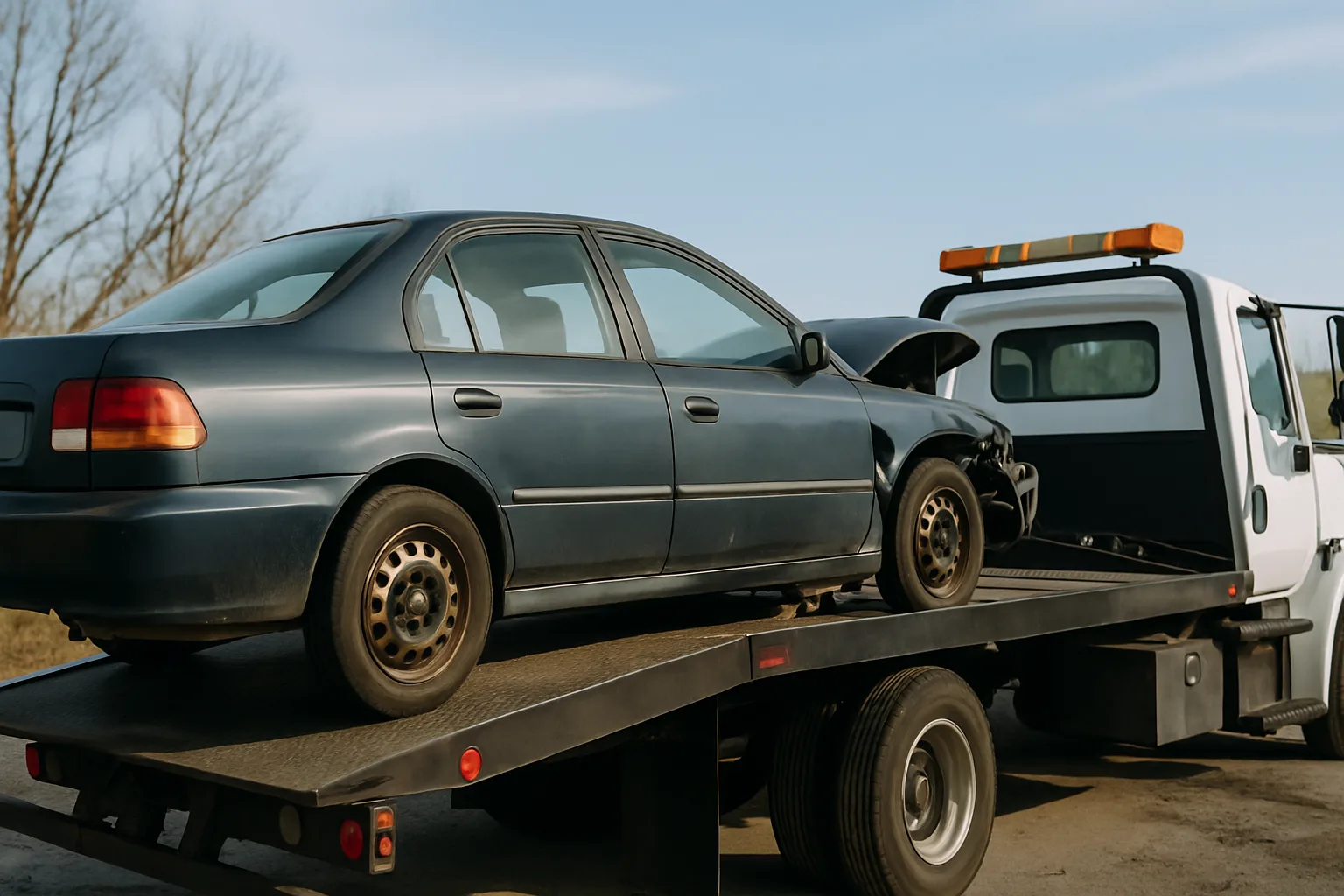
Why Most People Leave Money on the Table When Selling a Junk Car
Here's a number that might surprise you: the average American negotiates their junk car price for less than five minutes before accepting the first offer. That's not a negotiation — that's a giveaway. If you're trying to understand your scrap car value today and get the best possible payout, walking in unprepared is the fastest way to lose money you didn't know you had.
Junk car buyers — whether they're local salvage yards, private buyers, or online platforms — operate on margin. They need to buy low and sell or process high. That's not a criticism; it's just business. But knowing how that business works puts you in a far stronger position at the negotiating table. And in a market where scrap metal prices shift with global demand, steel indices, and fuel costs, your timing and preparation matter more than most sellers realize.
This guide breaks down how to negotiate smarter, what leverage you actually have, and why platforms like North America's B2B scrap metal auction platform SMASH are reshaping how scrap vehicles get priced and sold — even for individual sellers.
Know Your Scrap Car Value Today Before You Pick Up the Phone
Walking into a negotiation without data is the same as folding before the hand is dealt. The first thing you need is a realistic baseline for what your vehicle is worth as scrap or salvage in 2026. These are two different things, and confusing them costs sellers money every single day.
Scrap value is based on the vehicle's weight and the current price per ton for shredder-ready steel, plus any valuable components like catalytic converters, copper wiring, or aluminum wheels. Salvage value is higher — it accounts for usable parts that buyers can pull and resell. A 2011 Ford F-150 in non-running condition isn't just steel; it has doors, a transmission, an engine block, and potentially a catalytic converter worth real money.
Here's how to build your baseline before negotiating:
- Look up current scrap steel prices. Check commodity indexes or local yard postings. Prices per gross ton shift regularly, so what was true six months ago may not reflect scrap car value today.
- Estimate your vehicle's curb weight. Most cars range from 2,800 to 4,500 lbs. Trucks and SUVs run heavier. A heavier vehicle means more steel — and more money per ton adds up fast.
- Identify high-value components. Does your car have a catalytic converter still attached? What's the condition of the engine? Are the wheels aluminum or steel? These details matter to buyers and should matter to you.
- Get at least three quotes. Call local yards, use online quote tools, and check platforms that aggregate buyer offers. Never accept the first number.
If you're in Virginia Beach or anywhere in coastal Virginia, local market conditions also factor in. Proximity to port facilities, regional scrap processors, and demand from auto dismantlers in the Hampton Roads area all influence what buyers are willing to pay on any given week.
How to Use Competition as Your Strongest Negotiating Tool
The single most effective negotiating tactic isn't aggressive — it's structural. Get multiple buyers competing for your vehicle. When a buyer knows you have other offers on the table, the dynamic shifts entirely. They're no longer setting the price; they're bidding against someone else's number.
This is exactly the principle that drives B2B scrap metal marketplaces like SMASH. On a B2B scrap metal marketplace, vetted buyers compete in a transparent auction format. Sellers don't have to guess what the market will pay — they let the market tell them. While SMASH primarily serves recycling yards and commercial sellers, the underlying lesson applies directly to individual vehicle sellers: competition reveals the real price.
When you're working the phones yourself, here's how to create that competitive pressure:
- Get written or confirmed offers. Verbal quotes are slippery. Ask buyers to confirm numbers via text or email so you can reference them in follow-up conversations.
- Tell buyers you're shopping around. You don't need to be aggressive about it — just say it plainly. "I've got a few quotes coming in and I'll be making a decision by Friday." That's not a bluff; it's a deadline that motivates action.
- Don't reveal your best offer first. If a buyer asks what you've been quoted elsewhere, keep it vague. "I've had some competitive numbers come in" is enough. Anchoring them too high or too low before they commit changes the dynamic.
- Revisit the highest bidder last. After collecting multiple quotes, go back to your top offer and ask if they can do better given that you're ready to schedule pickup today. Ready-to-go sellers are valuable — no chase, no delays.
What Junk Car Buyers Look For — and How to Use It
Buyers aren't buying your car. They're buying the components, the materials, and the path to resale. Understanding what drives their offer helps you frame your vehicle in the best light without misrepresenting anything.
Here's what moves the needle in a buyer's calculation:
- Title availability. A clear title makes a vehicle easier to process, transfer, and resell. If you have your title, lead with that — it's a genuine value-add. If you're trying to sell my junk car without a title near me, it's still possible in many states, but expect slightly lower offers. Virginia does have processes for title replacement, and it may be worth the small fee if your car is worth a meaningful amount.
- Vehicle condition details. Be accurate, but be thorough. "Non-running" covers a wide range. Is it non-running because of a dead battery, or because the engine seized? Buyers make assumptions that favor them when details are vague. Give specifics — you might be surprised how much a complete interior or intact catalytic converter moves the number.
- Location and accessibility. Buyers factor in tow and transport costs. If your car is in a tight location — inside a garage, on a hill, or in a rural area far from their facility — that affects the offer. Being flexible on pickup timing can sometimes offset this.
- All four tires present. It sounds minor, but missing wheels create complications for tow trucks. Four tires on a vehicle makes pickup faster and easier, which buyers value.
If you're in the Virginia Beach area, you're actually in a reasonably competitive market. The density of salvage yards, dismantlers, and recyclers in the Hampton Roads corridor means buyers need to stay competitive to win vehicles. Use that to your advantage.
Red Flags to Watch for When Negotiating Junk Car Prices Near Me
Not every buyer operates the same way. Some of the most common ways sellers get shortchanged aren't outright dishonest — they're just standard business practices that work in the buyer's favor if you're not paying attention.
Watch for these warning signs when you're negotiating junk car prices near me:
- The price drops at pickup. You agreed to $400 over the phone. The driver shows up and says the car is in worse shape than described, and the new offer is $275. This is called a lowball switch. If this happens, you are within your rights to decline and call another buyer. Have the original quote documented.
- Vague or verbal-only offers. Legitimate buyers confirm their offers. If a company refuses to put anything in writing and just says "trust us," that's a problem.
- Hidden fees for towing. Reputable junk car removal services offer free pickup. Some buyers advertise high prices but then deduct a towing fee at the end. Clarify upfront whether pickup is included — services like free scrap car pickup from GetMyScrapCar make this straightforward with no surprise deductions.
- Pressure to decide immediately. "This offer expires in an hour" is a sales tactic, not a market reality. A fair buyer will give you reasonable time to compare offers.
- No business credentials. Ask if the buyer is licensed, bonded, or affiliated with a recycling association. It's a reasonable question and a legitimate buyer will have a reasonable answer.
How SMASH and B2B Scrap Platforms Are Changing the Industry
The scrap metal industry is going through a data-driven shift in 2026. Where pricing was once opaque — one buyer, one phone call, take it or leave it — transparent platforms are making the market legible for everyone in the supply chain. SMASH, operating as a SMASH scrap metal auction platform across North America, exemplifies this shift. Vetted buyers compete in open auctions, sellers get real-time price discovery, and the guesswork disappears.
For individual sellers trying to sell scrap car Virginia Beach or anywhere else in Virginia, the downstream effect is real. As commercial recyclers adopt more competitive buying practices through platforms like SMASH, the prices they offer for end-of-life vehicles tend to track the actual market more closely. That means less room for arbitrary lowballing and more accountability in what gets quoted.
If you're a recycling yard or commercial operation looking to understand how auction-based pricing works at scale, North America's B2B scrap metal auction platform SMASH is worth a serious look. More buyers, more competition, better price discovery — it's not complicated, but it works.
For individual sellers, the parallel takeaway is simple: create your own version of that competitive dynamic. Get multiple quotes. Document your offers. Know your vehicle's weight and components. And use platforms that are transparent about how they operate.
Making the Final Move: Closing the Deal Without Regret
Once you've done the work — researched your scrap car value today, collected multiple quotes, documented your vehicle's condition, and identified the warning signs — closing the deal should feel straightforward, not stressful.
A few final tips before you sign anything:
- Confirm the final offer in writing or via text before the tow truck arrives.
- Remove all personal items from the vehicle — glove box, trunk, under the seats.
- Cancel your insurance after the car transfers, not before pickup.
- Keep a copy of the bill of sale or transfer document for your records.
- Notify the Virginia DMV of the sale to avoid future liability on the plate or registration.
If you're ready to skip the phone-around and get a straightforward quote with free pickup included, schedule your free scrap car removal through GetMyScrapCar and see what your vehicle is worth without the runaround. Want to go deeper on the process? Read more junk car removal guides to cover every step from first quote to final pickup.
Disclaimer: Scrap metal and junk car prices fluctuate based on commodity markets, regional demand, and vehicle condition. The prices and ranges discussed in this article are general in nature. Always get current quotes directly from buyers before making decisions.
Frequently Asked Questions
Q: How do I find out my scrap car value today?
Start by checking current scrap steel prices through commodity indexes or local yard postings. Then estimate your vehicle's weight and identify valuable components like the catalytic converter or aluminum wheels. Get at least three quotes from different buyers — the spread between offers will tell you a lot about where the real market sits.
Q: Can I sell my junk car without a title near me in Virginia Beach?
Yes, in many cases. Virginia does allow some title-free transactions under specific conditions, particularly for older vehicles. However, buyers typically offer more for a vehicle with a clear title in hand. If you've lost your title, Virginia DMV offers a replacement process that may be worth completing before you sell, depending on what your vehicle is worth.
Q: What's the best way to sell scrap car in Virginia Beach and get the highest price?
Get multiple quotes, document your vehicle's condition with photos, and let buyers know you're comparing offers. Buyers in the Virginia Beach and Hampton Roads area operate in a competitive market, which works in your favor. Having a title, all four tires, and a specific list of working components on hand also strengthens your position.
Q: Are junk car removal services really free?
Reputable services include towing at no cost to you — it's factored into their offer. Always confirm upfront that pickup is included and get the final offer in writing before the driver arrives. If a buyer tries to deduct a towing fee at pickup after quoting you a higher number, that's a red flag.
Q: How fast can I get cash for my junk car in Virginia?
Most legitimate buyers can schedule pickup within one to three business days, and many pay on the spot at pickup. Some services offer same-day or next-day removal depending on your location and the buyer's schedule. Having your title and vehicle accessible speeds the process up significantly.
Ready to stop guessing and start getting real offers? Get a free quote for your scrap car and schedule your free scrap car removal at GetMyScrapCar — no pressure, no surprise fees, just a straightforward process from quote to pickup.
Follow SMASH on LinkedIn for ongoing scrap metal market insights, industry news, and updates on how B2B auction platforms are reshaping the recycling industry across North America.