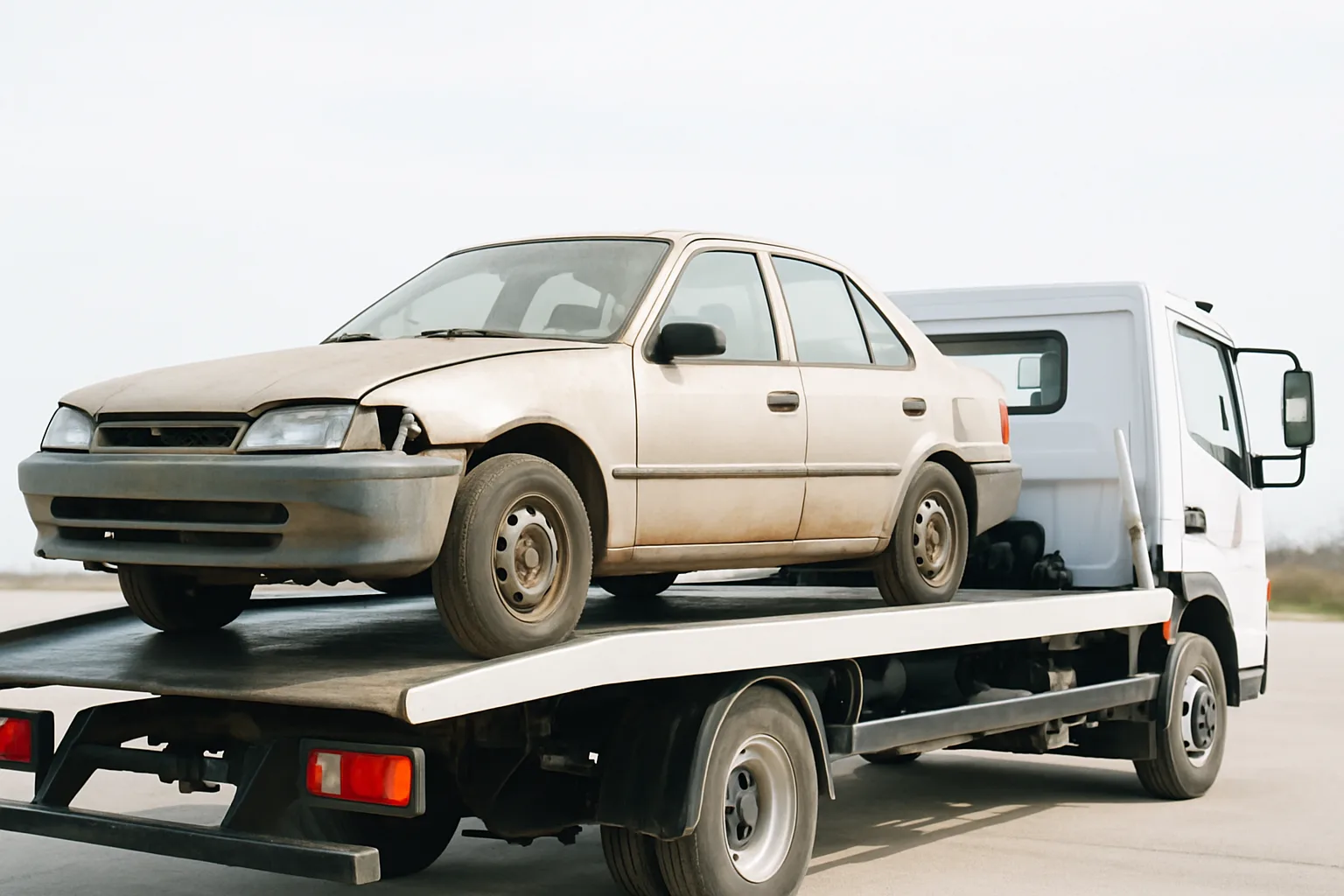
Most people leave hundreds of dollars on the table when they scrap a car. Not because the market isn't there — but because they accept the first offer they get, skip the prep work, and have no idea what their vehicle is actually worth before they make the call. That's a costly mistake, and it's completely avoidable.
Whether you've got a 2009 Silverado with a blown transmission or a flood-damaged Civic sitting in your driveway, the difference between a bad deal and a great one comes down to knowing what you have, documenting it properly, and getting real competition on the buy side. This guide walks you through exactly how to do that — with real examples from sellers who did it right.
If you're looking at scrap car removal Minneapolis and wondering how to squeeze every dollar out of your end-of-life vehicle, keep reading.
---Why Most Sellers Get Less Than Their Car Is Worth
The single biggest reason sellers leave money behind: one buyer, one offer, no leverage. You call a local junk car buyer, they quote you a number, you accept it. That's not a negotiation — that's a coin flip. You have no idea if that offer reflects actual market conditions or just what that buyer feels like paying that day.
Scrap metal prices shift constantly. Steel, copper, aluminum — they all move with global commodity markets. A car that's worth $400 in scrap weight alone on a Tuesday might be worth $475 two weeks later. If you're working with a single buyer and no price data, you're flying blind. Add in the fact that some buyers will low-ball a vehicle specifically because the seller seems uncertain or in a hurry, and it's easy to see how the average person consistently gets less than fair value.
The fix isn't complicated. It requires three things:
- Knowing your vehicle's actual weight and material composition
- Documenting it properly so buyers can bid with confidence
- Getting multiple vetted buyers competing against each other
Start With What You Actually Have — Know Your Vehicle's Scrap Value Drivers
Not all junk cars are created equal. A full-size pickup truck with a steel frame will generate more scrap revenue than a compact car — simple math on weight alone. But weight isn't the only factor. Buyers also look at catalytic converters, copper wiring, aluminum wheels, and whether any drivetrain components are still functional and resaleable.
Here's what drives scrap value on a typical end-of-life vehicle:
- Curb weight and ferrous metal content — heavier vehicles with more steel generally return more per ton
- Catalytic converter presence and condition — cats contain platinum, palladium, and rhodium, making them high-value components
- Aluminum and non-ferrous content — wheels, engine blocks, and radiators all carry premium value over steel
- Reusable parts — engines, transmissions, and body panels in workable condition can push offers higher
- Fuel type — hybrid and electric vehicles have different (often higher) battery and wiring value profiles
Before you contact a single buyer, pull your VIN and look up your vehicle's spec sheet. Know the curb weight. Know whether it still has its catalytic converter. Know if you have aluminum or steel wheels. That information changes the conversation entirely — and platforms like compare scrap metal bids from verified buyers use exactly this kind of documented data to generate real competitive offers.
Document Everything Before You List or Call
This is where most private sellers skip a step that professional recyclers never skip. Proper documentation doesn't just protect you legally — it increases buyer confidence, which translates directly into stronger offers. A buyer who can see clear photos, a confirmed VIN, and an accurate description of the vehicle's condition doesn't have to pad their offer with uncertainty. They can bid on what they actually see.
For a junk car, solid documentation means:
- Clear photos of all four exterior panels, the engine bay, interior, and undercarriage
- VIN confirmation (critical for title verification and parts lookups)
- A honest condition description — running or not, damage present, missing components
- Note whether the catalytic converter is intact
- List any recent repairs or new parts (battery, tires, brakes) — these add negotiating weight
If you're working with a platform that supports serial tracking and photo documentation — like SMASH does for commercial loads — that same principle applies to individual vehicles. Documented inventory gives buyers more confidence, and more confidence means competitive offers instead of discounted guesses.
How Competition Changes the Outcome — Real Results from Real Sellers
Here's a straightforward example of how the math works in practice. A Minneapolis seller had a 2013 Ford F-150 — non-running, frame intact, catalytic converter still in place. First offer from a single local buyer: $280. After listing with full documentation through a platform that brought in multiple vetted buyers, final offer: $410. Same truck. Same condition. Same day. The difference was competition, not luck.
That's not an outlier — it's what happens when you replace a single-buyer phone call with a process that forces buyers to compete. Free scrap car pickup from GetMyScrapCar connects sellers with buyers who are actively competing for your vehicle, not waiting to see how low you'll go. The auction format isn't just for commercial loads. It's the single best tool for price discovery on any vehicle, regardless of size or condition.
The principle is simple: more buyers means better price discovery. A single buyer has no incentive to offer more than the minimum you'll accept. A group of vetted buyers competing for the same vehicle has every incentive to come in strong. That dynamic alone is worth the extra 20 minutes it takes to document your car properly.
Minneapolis Sellers — What the Local Market Looks Like in 2026
The Minneapolis scrap vehicle market in 2026 is active. Minnesota winters are hard on vehicles, which means a consistent supply of rust-compromised, mechanically failed, and flood-affected cars hitting the end-of-life market every year. Demand from regional recyclers and processors remains steady, but individual sellers rarely see that demand reflected in their offers — because they're only talking to one buyer at a time.
If you're in the Twin Cities area and need Minneapolis scrap metal services, the competitive landscape has improved significantly. There are more vetted buyers operating in the region than there were five years ago, and platforms built for transparency — rather than opacity — give sellers in Minneapolis and across Minnesota real leverage for the first time.
SMASH has been part of that shift. By connecting sellers with a network of verified buyers and running a transparent auction process, platforms like SMASH make it possible for a Minneapolis yard owner or individual seller to stop guessing what their load or vehicle is worth and start finding out through actual market competition. That's a fundamental change from the old model of cold calls and single-buyer negotiations.
Local factors worth knowing for Minnesota sellers in 2026:
- Steel and aluminum commodity prices remain a key driver — check current rates before accepting any offer
- Minnesota requires a title or valid exemption to transfer a junk vehicle — have your paperwork ready
- Catalytic converter theft has made processors increasingly careful about verifying provenance — documentation matters more than ever
- Free pickup is standard for most junk car buyers in the Minneapolis metro area — if a buyer is charging for pickup, walk away
The Right Way to Close the Deal — No Title, No Problem (Sometimes)
One of the most common questions from first-time sellers: what if I don't have the title? It's a legitimate concern. In Minnesota, a title is generally required to sell or transfer a vehicle to a scrap or salvage buyer. But there are exemptions for older vehicles, and some buyers are equipped to work with a bill of sale or affidavit of ownership in specific situations.
If you're searching for options like cash for cars no title in your area, the honest answer is that your options narrow without a title — but they don't disappear entirely. Your best move is to contact the Minnesota Driver and Vehicle Services (DVS) to request a duplicate title if yours is lost. The process is straightforward and usually takes less than two weeks. Having a clean title almost always results in a stronger offer and a smoother transaction.
For sellers ready to move quickly and get this done right, schedule your free scrap car removal and let the process handle the logistics. Same-day and next-day pickup is available in most Minneapolis zip codes. No subscription fees, no hidden charges — you get a competitive offer, they handle the tow. Read more junk car removal guides if you want to go deeper on the title process and what to expect at pickup.
Getting the best scrap value for your car doesn't require industry connections or years of experience. It requires documentation, competition, and a platform built to give sellers real leverage. Do those three things and you'll consistently outperform sellers who just take the first call they get.
Ready to find out what your vehicle is actually worth? Get a free quote and schedule your free scrap car removal at GetMyScrapCar — the process takes minutes and pickup is free across the Minneapolis metro and greater Minnesota.
---Frequently Asked Questions
Q: How much is a junk car worth for scrap in Minneapolis?
Scrap value depends on the vehicle's weight, material composition, and current commodity prices. A full-size pickup truck typically returns more than a compact sedan due to steel content alone. Catalytic converters, aluminum wheels, and functional drivetrain components can add meaningful value on top of base scrap weight. Always get multiple offers before accepting — prices fluctuate and vary by buyer.
Q: Do I need a title to scrap my car in Minnesota?
In most cases, yes. Minnesota requires a title to legally transfer ownership of a vehicle to a scrap or salvage buyer. If your title is lost, you can apply for a duplicate through Minnesota DVS — the process is typically fast and straightforward. Some buyers can work with alternative documentation for older vehicles, but having a clean title gives you the strongest position.
Q: How quickly can I get my junk car picked up in Minneapolis?
Most reputable junk car buyers in the Minneapolis area offer same-day or next-day pickup once you've accepted an offer. Free towing is standard across the metro. Have your ID, title, and any keys ready at pickup to avoid delays.
Q: What's the best way to get the highest offer for my scrap car?
Document your vehicle thoroughly — photos, VIN, accurate condition description, and note whether the catalytic converter is intact. Then get competing offers from multiple vetted buyers rather than accepting the first quote you receive. Competition is the single most effective lever for price discovery. Platforms like SMASH are built specifically to create that competition on the buy side.
Q: Are there junk car buyers near me in Minneapolis who offer free pickup?
Yes. Free pickup is the standard in the Minneapolis market for end-of-life vehicles. If a buyer is quoting a towing fee or trying to deduct it from your offer, that's a red flag. GetMyScrapCar offers free scrap car pickup across Minneapolis and the surrounding Minnesota area — no hidden fees, no subscription costs.
---Follow SMASH on LinkedIn for scrap metal market updates, industry insights, and tips on getting more value from your loads and vehicles.
```