From Your Driveway to the Shredder: What Really Happens After You Sell Your Scrap Car in Oakland
Most people hand over their keys, pocket their cash, and never think twice about where their old car goes. But if you've ever wondered what actually happens after you sell scrap car Oakland — the real step-by-step process inside the recycling yard — this article breaks it down. No fluff. Just the process, the parts, and the economics behind it.
Understanding the pipeline also helps you make smarter decisions before you sell. Knowing what your car is worth to a recycler means you're less likely to leave money on the table when you're ready to move it.
Step 1: Arrival and Initial Assessment at the Auto Recycler
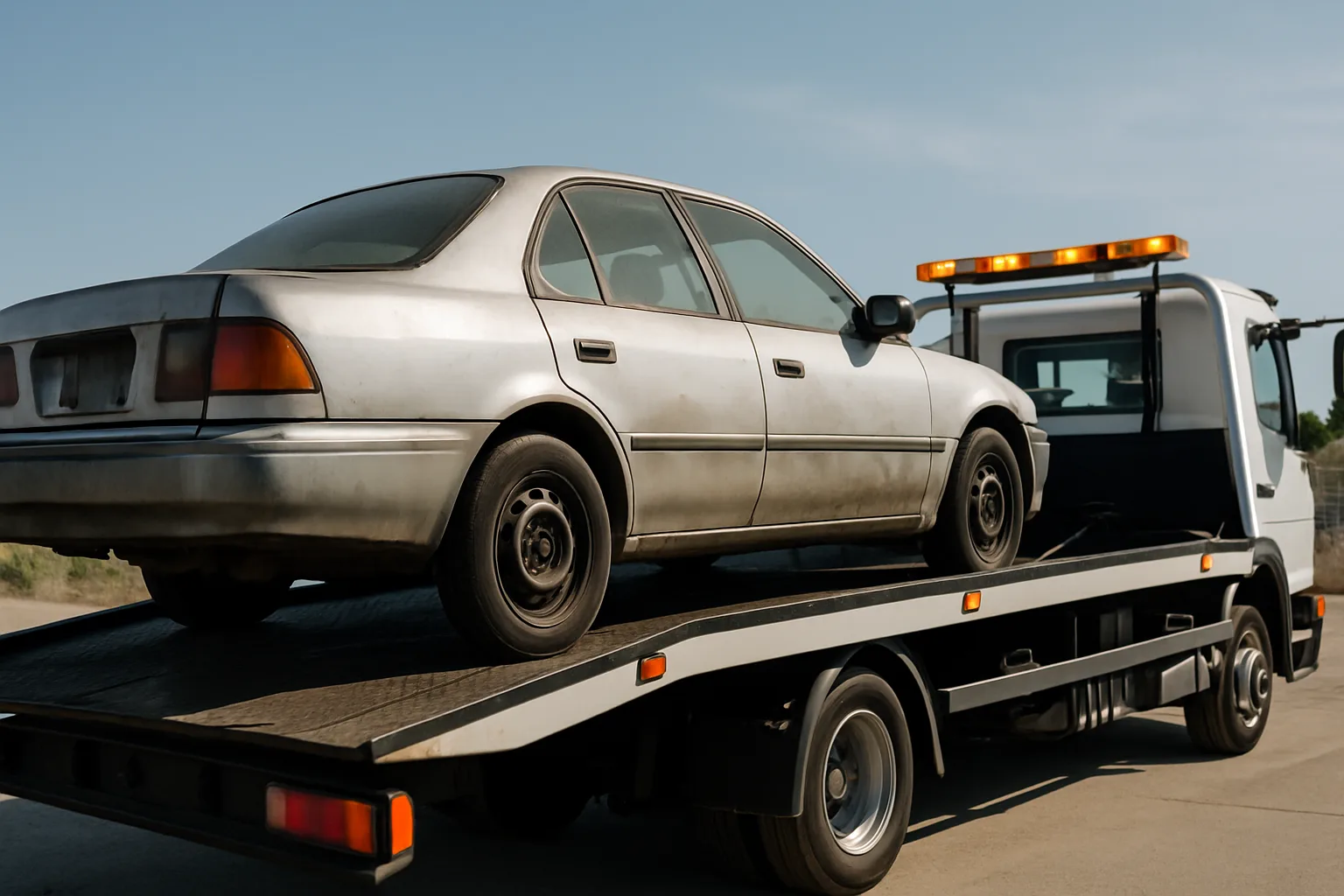
Your car rolls into the yard on a flatbed or a tow truck. The first thing that happens isn't dramatic — it's paperwork. The yard logs the vehicle identification number (VIN), confirms the title transfer, and records the vehicle's weight on a certified scale. That weight reading matters because scrap metal is priced by the ton.
From there, a trained assessor does a quick walk-around. They're looking for a few things:
- Catalytic converters (cats): These contain platinum, palladium, and rhodium. They're pulled early and often sold separately because they carry real value on their own.
- Reusable parts: Doors, hoods, transmissions, engines, and electronics that still work get tagged for resale through the used parts market.
- Fluids: Gas, oil, coolant, brake fluid, and refrigerant must all be drained and disposed of before the car goes any further. This is a regulated step — California has strict environmental rules around fluid management.
- Battery: The 12-volt lead-acid battery comes out immediately. Lead batteries have their own recycling stream and real resale value.
This initial assessment typically takes 30 to 60 minutes per vehicle. Larger yards processing hundreds of cars per week run tight, efficient operations. Smaller independent yards may take longer but often have more flexibility in how they price individual vehicles.
Step 2: Depollution — The Step Most People Never Think About
Before any car gets crushed or shredded, it has to be depolluted. This isn't optional. It's legally required across the United States, and California enforces some of the tightest standards in the country. Yards operating in Oakland and throughout the Bay Area are subject to both California Air Resources Board (CARB) regulations and local county oversight.
Depollution means removing every hazardous material from the vehicle. That includes:
- Engine oil and transmission fluid
- Power steering fluid and brake fluid
- Coolant and antifreeze
- Air conditioning refrigerant (R-134a or R-1234yf)
- Fuel from the tank
- Mercury switches (found in older vehicles)
- Airbag inflators (sodium azide-based systems require careful handling)
Each fluid gets collected, stored, and routed to a licensed hazardous waste processor. None of it goes down a drain. Yards that skip this step face serious fines — and in California, those fines aren't small. The oversight here is real, and most licensed recyclers take it seriously.
Step 3: Parts Harvesting and the Secondary Market for Used Auto Parts
Once the fluids are out, the yard starts pulling value. Not every car gets stripped extensively — it depends on the make, model, mileage, and condition of parts. A 2012 Honda Accord with a working transmission is worth more in pieces than as bulk scrap. A 2004 pickup with a blown engine and rust damage goes straight to the crusher with minimal harvesting.
Parts that commonly get pulled for resale include:
- Engines and transmissions (if functional)
- Alternators, starters, and power steering pumps
- Doors, hoods, fenders, and trunk lids in clean condition
- Interior components — seats, dashboards, door panels
- Wheels and tires (alloy wheels especially)
- Headlights, taillights, and mirrors
- Catalytic converters — always pulled, always sold separately
The used auto parts market is competitive. Yards list inventory through national databases and sell to independent mechanics, body shops, and DIY repair buyers. Some larger recyclers use dedicated inventory platforms and serial tracking software to manage thousands of SKUs at once. Platforms like SMASH scrap metal auction marketplace help recyclers connect with vetted buyers and run competitive auctions for bulk materials and non-ferrous metals — moving product faster and with better price discovery than a single phone call ever could.
When you schedule your free scrap car removal through GetMyScrapCar, your vehicle enters this same value chain. The parts that can be saved, get saved. What's left becomes scrap metal.
Step 4: Crushing, Baling, and Shredding — The Metal Becomes Commodity
After parts harvesting, the shell of the car — still substantial in weight — goes to the crushing or shredding stage. Most mid-size to large recycling yards in the Oakland area and across California don't operate their own shredders. Shredding is capital-intensive equipment. Instead, they crush the vehicles into flat bales and ship them to a regional shredder facility.
Here's what that process looks like:
- Crushing: A car flattener or baler compresses the vehicle body into a dense bale, roughly the size of a large refrigerator. This reduces volume significantly for transport.
- Shredding: At the shredder facility, bales go into a massive industrial shredder — essentially a giant hammer mill. The car gets torn into fist-sized chunks of mixed metal in seconds.
- Separation: After shredding, the mixed material runs through a series of magnetic separators, eddy current separators, and air classifiers. Ferrous metals (steel and iron) are separated from non-ferrous metals (aluminum, copper, zinc). The remaining non-metal material — foam, rubber, plastic, glass — is called auto shredder residue (ASR) and goes to landfill or further processing.
The separated metals become commodity-grade scrap ready to sell to steel mills and foundries. Ferrous scrap gets melted down and recast into new steel. Aluminum goes to secondary smelters and comes back as new aluminum sheet, ingot, or castings. The recycling loop closes here — your old junk car becomes raw material for new products.
This is exactly where competitive price discovery matters most. Yards selling bulk ferrous and non-ferrous materials through old-school single-buyer relationships often leave money on the table. A scrap metal auction platform like SMASH creates real competition around every load. More buyers. Transparent bids. Better outcomes for the yard.
What This Means for What You Get Paid When You Sell Your Scrap Car in Oakland
Here's the honest answer: the price a junk car buyer offers you reflects the full value chain described above, minus the yard's costs and margin. They're pricing in the parts they expect to pull, the current price of bulk scrap steel, the cost of depollution, labor, and transportation.
A few things that affect your payout when you sell my junk car for cash in Oakland or anywhere in California:
- Vehicle weight: Heavier cars — trucks, SUVs, larger sedans — contain more metal and typically fetch more.
- Catalytic converter presence: If your cat is still on the car, it adds value. If it's been stolen (a common problem in the Bay Area), that value is already gone.
- Parts demand: Popular makes and models with a strong used parts market get better offers because there's more value to extract before the crush.
- Current scrap metal prices: Steel and aluminum prices shift with global markets. What a yard pays you today may differ from what they'd pay in three months. Prices fluctuate — always check current rates before you commit.
- Condition: A car that runs and drives has more options than one that's completely dead. That said, completely non-running vehicles still get picked up and processed.
For Oakland residents, free scrap car pickup from GetMyScrapCar means you don't pay towing fees out of your payout. What you're quoted is what you get. No surprises at the curb.
If you're curious about how the broader scrap metal market works — how yards sell bulk loads to mills, how auction platforms like SMASH create competitive bidding, and what drives scrap prices — you can read more junk car removal guides on the GetMyScrapCar blog.
Regulation Updates in 2026: What California Yards Are Dealing With Right Now
California continues to tighten its grip on auto recycler operations in 2026. Yards in Oakland and across the state are navigating updated CARB requirements around refrigerant handling, expanded reporting requirements for mercury switch removal, and increased documentation standards around catalytic converter purchasing — a direct response to the ongoing theft crisis that's hit the Bay Area hard.
California's AB 1740 framework (which tightened cat purchasing record-keeping requirements) continues to shape how yards buy and log converters. If you're selling a car with a catalytic converter still intact, a licensed yard will document the transaction. That's good for everyone — it creates accountability, reduces the stolen parts market, and keeps legitimate recyclers operating cleanly.
For sellers, the key takeaway is simple: use licensed, reputable recyclers. In California, that means checking for a valid Autohucker license or equivalent state certification. GetMyScrapCar works with vetted partners across Oakland and the Bay Area who meet all state and local requirements.
Ready to move your vehicle? Get a free quote and schedule free pickup at getmyscrapcar.com — no fees, no hassle, just a fair offer and a truck at your door.
Frequently Asked Questions
Q: How long does it take to get paid after I sell my scrap car in Oakland?
Most junk car buyers pay at the time of pickup — cash or check on the spot. Some services process payment within 24 hours via electronic transfer. When you schedule through GetMyScrapCar, payment terms are confirmed before the truck arrives so there are no surprises.
Q: Do I need the title to sell my scrap car in Oakland, California?
Yes. California requires a clean title transfer for licensed auto recyclers to accept a vehicle. If you've lost your title, you can apply for a replacement through the California DMV — it typically takes 10 to 15 business days. Some buyers have processes to assist with this, so ask before assuming it's a dealbreaker.
Q: Will the recycler pick up my car for free, or do I pay for towing?
GetMyScrapCar offers free scrap car pickup in Oakland and surrounding areas. The tow is included — you don't pay out of your quoted price. Always confirm this upfront with any service, since some buyers quote a number and then deduct towing at the curb.
Q: What happens to my personal information stored in the car's infotainment system?
This is something many sellers overlook. Before you hand over your vehicle, factory reset the infotainment system to clear saved contacts, connected phone data, home address, and any stored garage codes. Most modern vehicles allow this through the settings menu. Your recycler is focused on the metal — they won't wipe your data for you.
Q: Does it matter if my catalytic converter has already been stolen?
It does affect the offer. Catalytic converters contain precious metals and carry real value in the recycling chain. A vehicle missing its cat will receive a lower offer than one with it intact. That said, the car is still worth something — the steel body, aluminum components, and other parts still have value. Disclose the missing cat upfront so you get an accurate quote.
Stay current on scrap metal market trends and industry updates — follow SMASH on LinkedIn at linkedin.com/company/scrap-metal-auction-sales-hub for insights that matter to recyclers and sellers across North America.