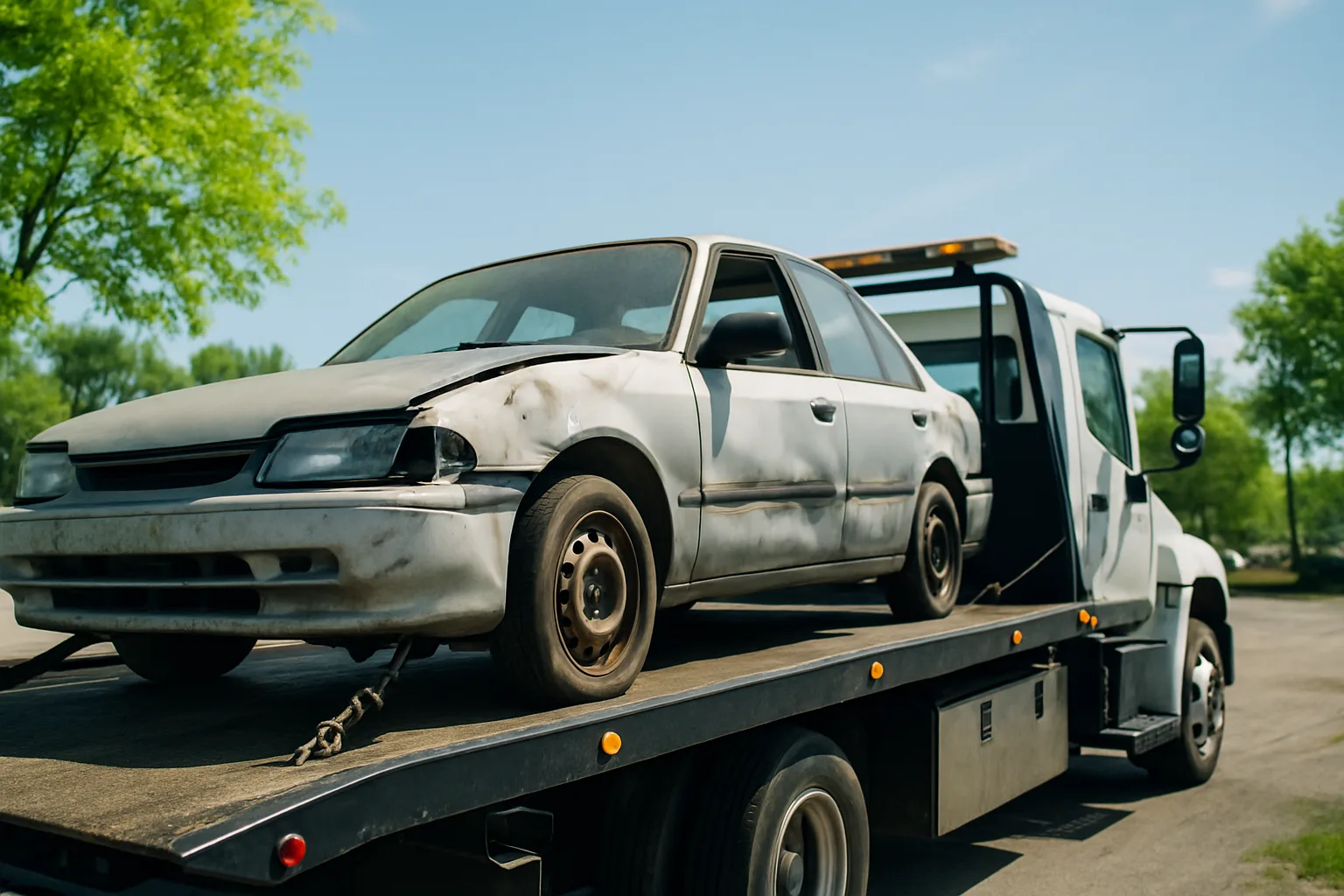
What Really Happens to Your Car After You Scrap It in Virginia Beach
Most people think scrapping a car means it disappears into a crusher and that's the end of the story. The reality is more interesting — and more responsible — than that. A single end-of-life vehicle contains hundreds of pounds of reusable steel, recoverable non-ferrous metals, and components that get a second life before anything gets flattened. If you're ready to sell scrap car Virginia Beach, understanding what happens next can help you make smarter decisions about where your vehicle goes and what it's worth.
This isn't a feel-good piece about saving the planet with your 2008 Chevy Tahoe. It's a practical look at how responsible recycling works, why documentation and competition matter at every step, and how Virginia Beach vehicle owners are leaving money on the table by skipping the auction process entirely.
The Eco-Friendly Reality of End-of-Life Vehicle Recycling in Virginia
Automotive recycling is one of the most efficient materials recovery processes in North America. Steel from scrapped vehicles gets melted down and reused in new manufacturing. Aluminum, copper wiring, and other non-ferrous metals follow separate processing paths. Fluids — oil, coolant, transmission fluid, brake fluid — get drained and either reclaimed or disposed of to EPA standards. Nothing about a properly processed scrap vehicle just "goes to waste."
In Virginia, state environmental regulations require licensed recyclers to handle hazardous fluids responsibly before a vehicle gets crushed or shredded. That means the yard accepting your car has compliance obligations the moment it crosses their gate. For vehicle owners in Virginia Beach, working with a legitimate, vetted buyer isn't just good practice — it protects you from liability too. A title transfer without proper documentation can come back on you if the vehicle ends up abandoned or improperly disposed of.
- Steel recovery: A typical passenger vehicle contains 2,400–2,800 lbs of steel, most of which is recyclable
- Aluminum recovery: Wheels, engine blocks, and transmission housings yield significant aluminum value
- Copper wiring: Modern vehicles carry 50–100 lbs of copper wiring depending on trim level
- Catalytic converters: High-value components recovered for platinum, palladium, and rhodium content
- Fluids and refrigerants: Drained and processed to regulatory standards before dismantling
The environmental case for recycling your junk car in Virginia Beach is straightforward. Every ton of recycled steel avoids roughly 1.5 tons of CO₂ compared to producing new steel from raw ore. Your rusted-out pickup sitting in the driveway has real materials value — and routing it through a proper recycling channel keeps those materials in productive use instead of a landfill.
The Component That Changes Everything: Your Catalytic Converter
If you've owned a junk car longer than five minutes, someone has probably offered to buy just the catalytic converter off you. There's a reason for that. Cats contain platinum group metals — platinum, palladium, and rhodium — that trade at significant market prices. A single catalytic converter from a common domestic truck can carry meaningful scrap value on its own, separate from the rest of the vehicle.
The problem? Most private sellers have no idea what their cat is worth before they accept a lump-sum offer for the whole car. The buyer bundles that value into a flat price, and the seller walks away thinking they got a fair deal. This is where a catalytic converter auction process changes the math. Platforms like smashscrap.com put cats and cores in front of multiple vetted buyers simultaneously. Competition surfaces the real market price instead of whatever a single buyer decides to offer.
For scrap yards and recyclers in Virginia Beach, running cats through an auction format rather than selling to the first buyer who calls means better price discovery on every load. That same principle applies to the individual vehicle owner who wants to maximize what they recover from an end-of-life car before it heads to the shredder.
How SMASH Fits Into the Eco-Friendly Disposal Chain
Here's where the story gets practical. SMASH — the Scrap Metal Auction Sales Hub — operates as a competitive auction platform connecting sellers with vetted buyers across North America. Recyclers and scrap professionals use SMASH to list catalytic converters, non-ferrous loads, and recovered components in auction format. The result is transparent pricing driven by actual market competition, not a single buyer's offer on a slow Tuesday.
The platform handles serial tracking, photo documentation, and auto-invoicing — the kind of documentation that makes a difference when you're moving high-value recovered components and need a paper trail. For the eco-conscious seller in Virginia Beach, that transparency also means you know your materials are going to vetted buyers with legitimate end-use pathways, not disappearing into gray-market channels.
SMASH scrap isn't a subscription service you pay into hoping for results. There are no monthly fees. SMASH only wins when the seller wins — the platform takes a cut when a transaction closes, which means their incentive aligns directly with getting sellers the strongest competitive outcome on every load.
If you're a yard operator in Virginia processing end-of-life vehicles, the cats and non-ferrous you pull from those vehicles deserve competitive exposure. If you're an individual owner with a junk car and you want to understand what the recoverable components are worth before you hand over the keys, that kind of market transparency is exactly what SMASH was built for.
Free Scrap Car Pickup in Virginia Beach: What the Process Actually Looks Like
For most Virginia Beach vehicle owners, the path from "I need to get rid of this car" to "check in hand" is simpler than expected. You don't need the car running. You don't need it pretty. You need a title (or the ability to obtain a duplicate from the Virginia DMV), and you need to be honest about the vehicle's condition upfront.
Here's the typical flow for free scrap car pickup Virginia Beach:
- Get a quote. Provide the year, make, model, condition, and location. Prices vary based on current scrap metal markets and the vehicle's recoverable value.
- Schedule pickup. Most services can arrange same-day or next-day pickup in the Virginia Beach area. You don't need to transport the vehicle anywhere.
- Hand over the title. Virginia requires a signed title for scrap vehicle transfers. Make sure the name on the title matches your ID.
- Get paid. Payment typically happens at pickup — cash or check depending on the buyer.
- Get confirmation of disposal. A reputable buyer provides documentation that the vehicle has been properly transferred and will be processed through legitimate channels.
The free pickup component matters more than people realize. Towing a non-running vehicle in Virginia Beach can cost $150–$300 depending on distance and the tow company. A free scrap car pickup from GetMyScrapCar eliminates that cost entirely, which means more of the vehicle's scrap value stays in your pocket.
One thing worth checking before you commit to any buyer: ask where the vehicle goes after pickup. A responsible recycler in Virginia will process fluids first, pull high-value components for separate resale, and send the hulk to an auto shredder feeding a steel mill. That chain of custody matters for both environmental and legal reasons.
Why Competition Beats the Single-Buyer Phone Call Every Time
The old way of selling a scrap car in Virginia Beach looks like this: one call, one offer, take it or leave it. The buyer has every incentive to offer the minimum. You have no way to know if the number is fair because you have no comparison point. You accept because you want the car gone.
More buyers mean better price discovery. That's not marketing language — it's basic economics. When multiple vetted buyers compete for the same vehicle or load, the clearing price reflects actual market conditions rather than one buyer's margin target. That's the core tension SMASH was built to resolve for the recycling industry: single-buyer opacity versus competitive transparency.
For individual sellers in Virginia Beach, that principle applies even at the consumer level. Getting two or three quotes before committing takes 20 minutes and can meaningfully change what you recover from a junk car. Don't skip that step. Once you hand over the title and the tow truck leaves, the negotiation is over.
When you're ready to move forward, schedule your free scrap car removal and see what competitive pricing looks like for your specific vehicle. And if you want to go deeper on how the recycling process works from the yard's side, read more junk car removal guides for practical breakdowns of how scrap value gets calculated.
Your junk car sitting on that Virginia Beach driveway isn't dead weight — it's recoverable steel, aluminum, copper, and catalytic converter value waiting for a legitimate buyer. Get the quote, verify the process, and make sure the chain of custody is clean. That's eco-friendly disposal done right.
Frequently Asked Questions
Q: Do I need a title to sell my scrap car in Virginia Beach?
Yes. Virginia requires a signed title to transfer ownership of a vehicle for scrap. If you've lost your title, you can apply for a duplicate through the Virginia DMV before scheduling pickup. Some buyers may work with you on alternative documentation in limited circumstances — ask upfront.
Q: What happens to the catalytic converter when I scrap my car?
The catalytic converter is typically removed before the vehicle is crushed and sold separately because it contains platinum group metals with significant scrap value. A reputable buyer processes cats through legitimate channels. Competitive auction platforms like SMASH ensure those components reach vetted buyers at market-driven prices rather than a single buyer's flat offer.
Q: How quickly can I get free scrap car pickup in Virginia Beach?
Most services can schedule same-day or next-day pickup in the Virginia Beach area, depending on availability. Have your title ready and be prepared to provide accurate vehicle details — year, make, model, and whether the car runs or not. Accurate information upfront avoids delays at pickup.
Q: Is scrap car recycling actually environmentally responsible?
When done through a licensed recycler, yes. Virginia regulations require proper fluid removal and hazardous material handling before a vehicle is crushed or shredded. Steel, aluminum, and copper from scrapped vehicles are recycled back into manufacturing supply chains. The environmental impact of properly processed scrap is significantly lower than producing equivalent new materials from raw ore.
Q: How is my scrap car's value calculated?
Scrap value is primarily based on the vehicle's weight (steel content), current scrap metal market prices, and the value of recoverable components like the catalytic converter, aluminum wheels, and copper wiring. Condition, make, and model affect component value. Prices fluctuate with commodity markets — always get a current quote rather than relying on older estimates.
Disclaimer: Scrap metal prices fluctuate based on commodity markets and regional demand. Always check current rates before committing to a sale.
Ready to turn that driveway eyesore into cash? Get a free quote for your scrap car and schedule your free scrap car removal — no subscription, no runaround, just a straightforward process that gets your vehicle recycled the right way.
Stay current on scrap metal market trends and industry news by following SMASH on LinkedIn.