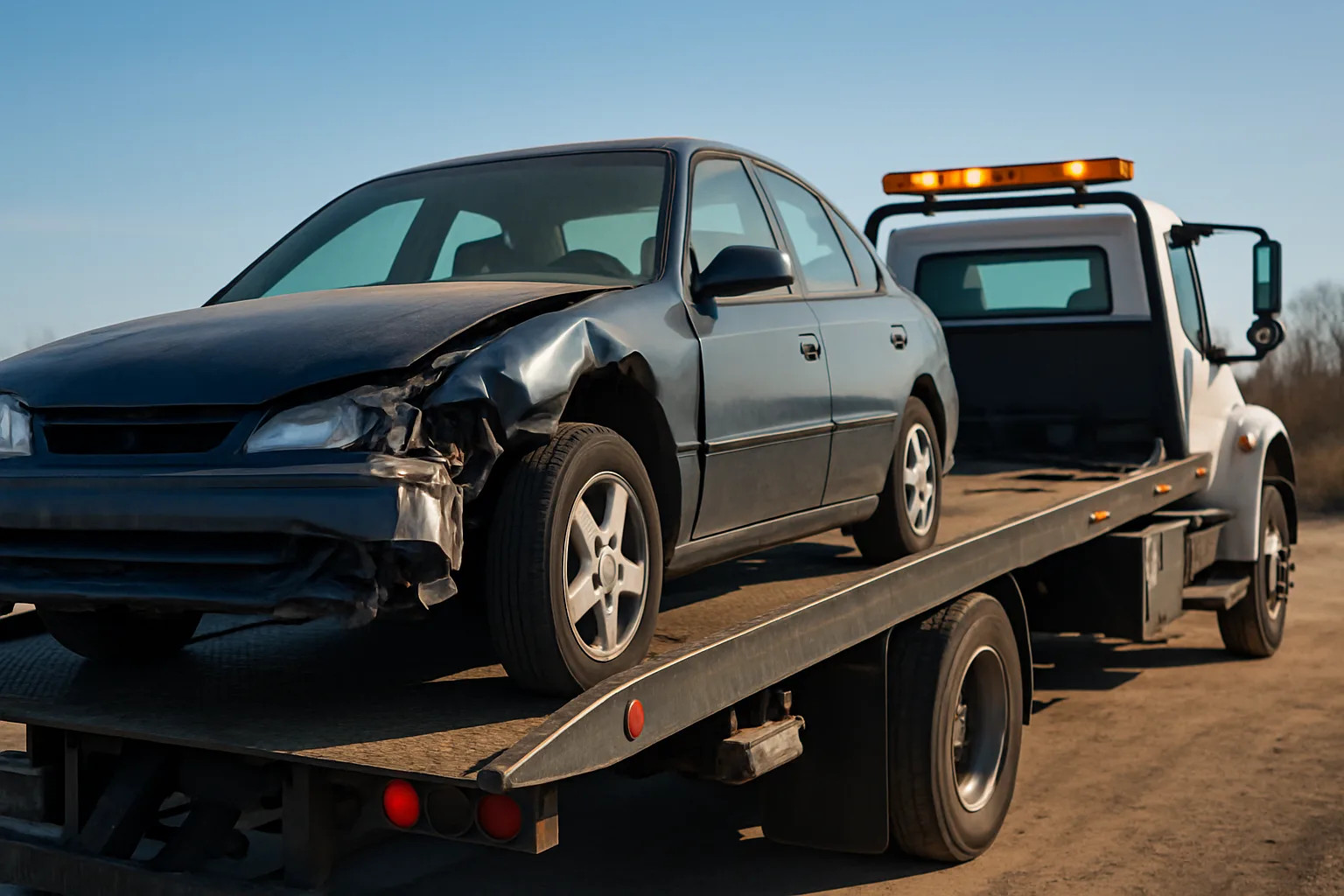
About 12 million vehicles reach the end of their lives in the United States every year. Most people assume scrapping a car means it ends up in a landfill. The reality is almost the opposite — a properly recycled vehicle can have up to 80% of its materials recovered and put back into circulation. If you have an old, wrecked, or non-running vehicle sitting on your property in Buffalo, understanding what actually happens to it during eco-friendly disposal can help you make a smarter, more confident decision about getting rid of it.
This guide walks you through the full recycling process, what makes it environmentally responsible, and how services that say we buy junk cars Buffalo fit into a larger recycling chain that keeps hazardous materials out of the ground and usable metals in the supply chain.
Why Eco-Friendly Car Disposal Matters More in 2026
End-of-life vehicle disposal has tightened significantly over the past several years. Regulatory pressure across New York and other states now requires licensed dismantlers to follow strict fluid recovery and parts documentation standards before a vehicle can be crushed. This isn't just paperwork — it directly prevents motor oil, transmission fluid, brake fluid, refrigerants, and battery acid from seeping into soil and waterways.
Buffalo sits near Lake Erie and the Niagara River. Improper vehicle disposal in this region carries real environmental consequences that go beyond a single property. A leaking vehicle abandoned on a lot or dumped illegally can contaminate groundwater used by surrounding communities. Licensed Buffalo scrap metal services operate under state oversight, which is why working with a professional removal service is the responsible choice — not just the convenient one.
Beyond regulations, demand for recycled steel, aluminum, and copper continues to drive the economics of vehicle recycling. When metal markets are active, recyclers can offer competitive cash payouts to vehicle owners who scrap responsibly. That's the loop worth understanding: your old car's materials fund the process, and the process keeps hazardous waste out of the environment.
Step-by-Step: What Actually Happens to Your Junk Car
Most vehicle owners have never seen the inside of a licensed auto recycling facility. Here's what the process looks like from the moment your car leaves your driveway to the moment its materials re-enter manufacturing.
- Vehicle pickup and transport. A licensed tow truck picks up your vehicle. If you use free scrap car pickup from GetMyScrapCar, no towing fees come out of your pocket. The vehicle is transported to a licensed receiving yard.
- Fluid depollution. Before anything else, all hazardous fluids are drained and captured — gasoline, engine oil, coolant, brake fluid, power steering fluid, transmission fluid, and refrigerant. This step is non-negotiable at any licensed facility. Fluids are either recycled or disposed of through certified channels.
- Battery removal. Lead-acid batteries are pulled and sent to battery recyclers. Modern hybrid and EV batteries go through separate high-voltage handling protocols and are either refurbished or disassembled for lithium, cobalt, and other recoverable materials.
- Catalytic converter removal. Cats contain platinum group metals — platinum, palladium, and rhodium — that hold real resale value. These are removed, documented, and sold to specialty refiners. This is also where accurate serial tracking matters, which is why platforms like the SMASH scrap metal auction marketplace have built documentation tools to help yards handle cats properly.
- Usable parts harvesting. Engines, transmissions, axles, alternators, doors, glass, and other serviceable components are inventoried and listed for resale. This extends the functional life of parts that still work, reducing the need to manufacture replacements from raw materials.
- Crushing and shredding. The stripped vehicle shell gets flattened and fed through an industrial shredder. The output — called shredder fluff — is then sorted using magnets, eddy currents, and other separation technologies to isolate ferrous steel, aluminum, copper, and other non-ferrous metals.
- Material sale to mills and foundries. Sorted scrap metal is baled or bundled and sold to steel mills and foundries that melt it down to produce new metal products. Recycled steel requires significantly less energy to produce than virgin steel — the energy savings alone make this step environmentally significant.
From pickup to processed scrap, a typical vehicle moves through this chain within days. The entire process, when done by licensed operators, leaves almost no hazardous waste unaccounted for.
Scrap Car Removal Buffalo: What You Need to Know Before You Call
If you're in the Buffalo area and ready to get rid of a vehicle, a few things are worth knowing before you pick up the phone. Not every buyer operates with the same environmental standards, and not every offer reflects actual market value.
The most common questions we hear from Buffalo vehicle owners include:
- Do I need a title to sell my junk car? In New York, a title is required to legally transfer ownership of a vehicle. However, if your title is lost, you can apply for a duplicate through the New York DMV. Some services advertise sell my junk car no title options — if you're pursuing that route, make sure you understand your state's legal requirements and that the buyer is operating within them.
- Will they actually pick it up for free? Reputable scrap car removal services in Buffalo include free towing as part of the transaction. You should never pay out of pocket for pickup on a vehicle you're selling for scrap.
- How is the offer price determined? Vehicle weight, metal composition, drivability, year/make/model, and current scrap metal market prices all factor in. A 2008 F-150 and a 2005 Honda Civic will generate different offers — not because one is better, but because their scrap weight and parts value differ significantly.
- How fast is the process? Most removals in Buffalo can be scheduled within 24 to 48 hours. Same-day pickup is available in many cases.
When you schedule your free scrap car removal, you get a firm offer upfront — no games, no last-minute price drops at the door. That transparency matters, especially when metal markets fluctuate.
How SMASH Connects the Recycling Ecosystem
Here's something most vehicle owners don't think about: what happens to the scrap metal after your car leaves your property is directly affected by how well the recycling yard can sell it. If a yard is stuck with one buyer offering a flat price, there's less incentive to pass competitive value back to you. That's the old model — one phone call, one price, take it or leave it.
SMASH changes that dynamic at the yard level. The SMASH scrap metal auction marketplace lets recycling yards post loads — including vehicles, non-ferrous materials, and catalytic converters — to a network of vetted buyers who compete through a transparent auction process. More competition at the buyer level means better price discovery for the yard. And when yards get better prices on the materials they process, that value has a way of flowing back toward the sellers who bring in vehicles.
SMASH also supports proper documentation — photo uploads, VIN lookup, serial tracking for cats, and auto-invoicing. For recyclers handling high volumes of end-of-life vehicles, that kind of infrastructure makes the whole chain more transparent and accountable. No subscription fees either. SMASH only wins when the seller wins.
If you run a yard or handle scrap professionally, read more junk car removal guides and explore how auction-based selling compares to traditional buyer relationships.
Environmental Benefits You Can Point To
Choosing eco-friendly car disposal isn't just about feeling good. The measurable environmental benefits are real and worth understanding, especially if you're making this decision partly on principle.
- Steel recycling cuts energy use dramatically. Recycling steel uses far less energy than producing it from raw iron ore. Every ton of recycled steel saves significant amounts of coal and reduces CO₂ emissions meaningfully.
- Aluminum recovery is even more impactful. Recycling aluminum uses a fraction of the energy required for primary production. Vehicle aluminum — found in wheels, engine blocks, and body panels — is a high-value, high-impact recovery target.
- Fluid containment protects local waterways. In a region like western New York, with proximity to the Great Lakes system, preventing automotive fluids from entering the soil or storm drains has direct ecosystem value.
- Hazardous materials stay out of landfills. Batteries, refrigerants, and mercury switches (still found in older vehicles) require special handling. Licensed recyclers manage this. Abandoning a vehicle or selling to an unlicensed buyer often means these materials are never properly handled.
- Parts reuse reduces manufacturing demand. Every used transmission or alternator that goes back into service is one fewer new part that needs to be manufactured, packaged, and shipped.
The math adds up. A single end-of-life vehicle, properly recycled, contributes meaningful material recovery while keeping hazardous waste out of the environment. Multiply that by the millions of vehicles processed annually across the country and the scale becomes significant.
Getting the Most Cash for Cars New York While Doing It Right
Eco-friendly doesn't mean taking a lower price. The best outcomes happen when you work with a licensed, professional service that operates transparently — one that gives you a fair offer based on actual market conditions, handles all the paperwork, and picks up the vehicle at no cost to you.
For Buffalo residents, the combination of proximity to active scrap markets in western New York and a network of vetted buyers means competitive offers are accessible. Whether you have a running vehicle, a total loss, a flood-damaged car, or something that's been sitting in your backyard for years, cash for cars New York is a real option — not just a search term.
If your situation involves a missing title, start the DMV duplicate process early. It's a straightforward application in New York and typically resolves within a few weeks. Don't let a missing document keep a vehicle sitting on your property longer than it needs to.
When you're ready, getting a free quote is the logical first step. No commitment, no pressure — just a number based on your vehicle and current market conditions. If the offer works for you, pickup can often happen the next day.
Frequently Asked Questions
Q: How does the we buy junk cars Buffalo process work if my car doesn't run?
Non-running vehicles are handled all the time. A flatbed tow truck picks up your car directly from your property — driveway, garage, or street — at no charge to you. You don't need to move the vehicle or arrange transport. The offer is based on scrap weight and parts value, not whether the car drives.
Q: What documents do I need for scrap car removal in Buffalo, New York?
In New York, you'll need the vehicle title to legally transfer ownership. You'll also need a valid photo ID. If your title is lost, apply for a duplicate through the New York DMV before scheduling pickup. Some buyers may work with you during the duplicate title process — ask upfront.
Q: Will eco-friendly disposal affect how much cash I get for my junk car?
No. Licensed recyclers who follow proper depollution and parts recovery processes are typically the same buyers offering competitive prices, because they're recovering more value from each vehicle. Cutting corners on environmental compliance usually signals a buyer operating outside normal market channels — and that's a buyer you don't want handling your vehicle or your paperwork.
Q: How long does scrap car removal in Buffalo usually take?
Most removals are completed within 24 to 48 hours of scheduling. Same-day pickup is available depending on location and time of day. The paperwork at pickup takes minutes — sign the title over, receive payment, and the vehicle is gone.
Q: What happens to my catalytic converter when my car gets scrapped?
The catalytic converter is removed during the depollution stage and sold separately to specialty refiners who recover the platinum group metals inside. It's one of the higher-value components on many vehicles. Reputable yards document and track cats properly — platforms like SMASH have built serial tracking and photo documentation tools specifically to support this process at the yard level.
If you have an end-of-life vehicle in Buffalo and you're ready to get it off your property the right way, get a free quote and schedule your free scrap car removal at getmyscrapcar.com. No fees, no hassle, no guessing — just a fair offer and a pickup date that works for you.
Stay current on scrap metal market trends and industry news by following SMASH on LinkedIn.
```