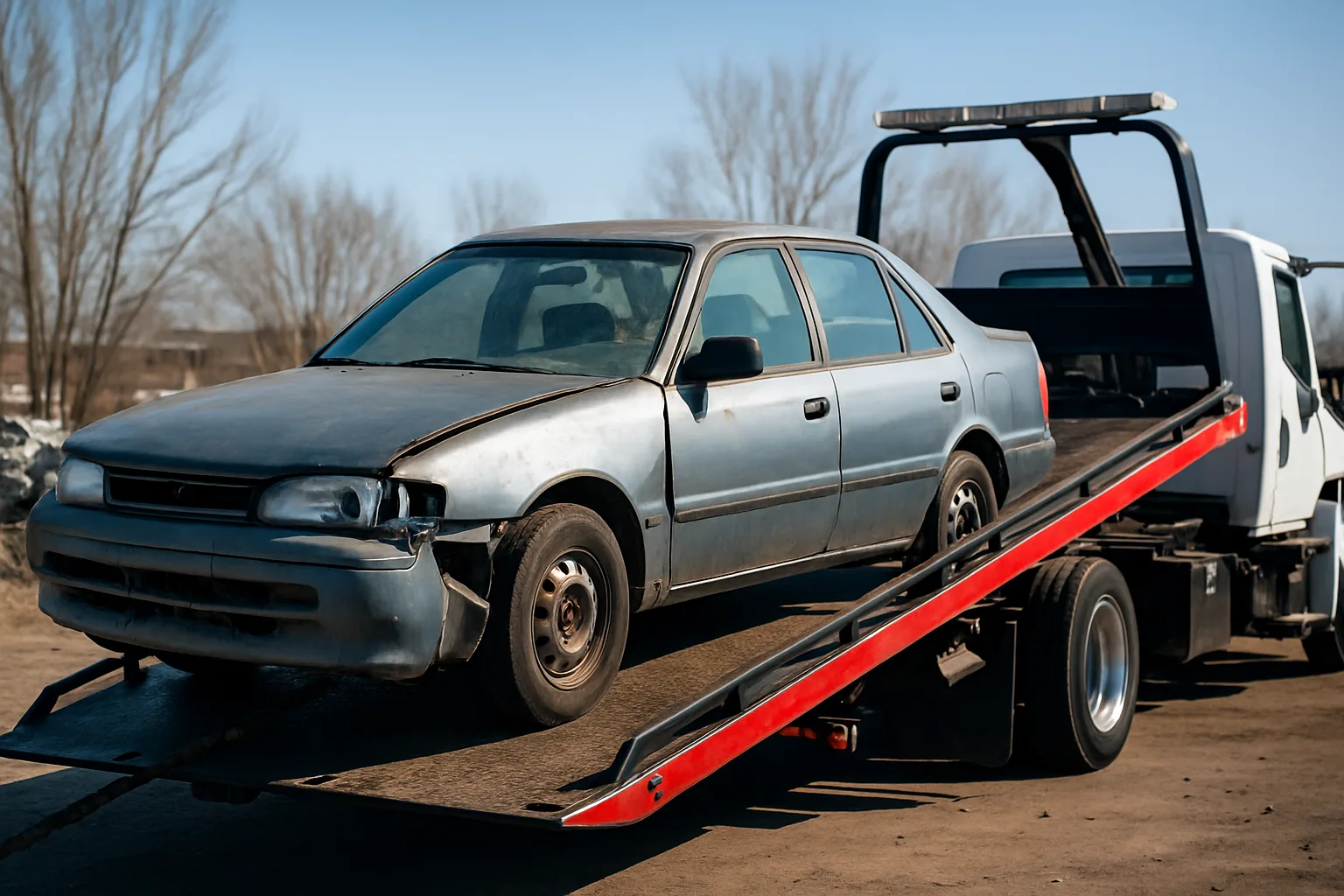
Why Your Scrap Car Is Worth More at Certain Times of Year
Most people think scrap car value today is fixed — like a price tag that never moves. It's not. The scrap metal market shifts constantly, and one of the most overlooked drivers is something nobody controls: the weather. If you're sitting on a junk car in Salt Lake City or anywhere else in Utah, understanding seasonal price patterns could mean real money in your pocket.
Scrap prices aren't random. They respond to demand cycles, processing capacity, weather disruptions, and buyer behavior — all of which change with the seasons. The difference between selling at the right time versus the wrong time can be significant. This article breaks down exactly how weather and season affect what you'll get for your end-of-life vehicle.
How Temperature and Weather Directly Impact Scrap Metal Prices
Cold weather hits the scrap industry hard. When temperatures drop, steel mills and processing facilities slow down. Outdoor yards become harder to operate. Metal contracts, equipment freezes, and labor costs climb. That combination tends to compress what buyers are willing to pay at the gate — including for scrap vehicles.
Harsh winters also disrupt logistics. Trucks move slower. Shipments get delayed. Buyers get cautious. All of that translates to lower demand and, in many cases, lower prices for sellers. In Utah, this isn't abstract — Salt Lake City winters can bring extended cold snaps and snowfall that genuinely slow yard operations and buyer activity.
- Frozen ground makes it harder to move vehicles and process loads efficiently
- Reduced mill demand in winter means buyers have less urgency to fill orders
- Logistics delays during storms push buyers to hold tighter margins
- Lower dealer activity in cold months reduces end-of-life vehicle intake at many yards
The flip side? Spring and early summer tend to be stronger. Yards open back up at full capacity. Construction demand for steel picks up. Automotive recyclers clear winter backlogs. Buyers get competitive again. That competition is exactly what drives better price discovery — and it's why platforms like sell your scrap metal on the SMASH marketplace become especially valuable when buyer activity heats up.
The Seasonal Price Cycle — What It Looks Like in Practice
There's a rough seasonal rhythm to scrap car value today that experienced yard operators and recyclers recognize. It's not a guarantee, and it doesn't play out the same every year. But the pattern is real and worth knowing before you decide when to call for a pickup.
Here's the general shape of the cycle across a calendar year:
- January–February (Winter Trough): Historically one of the slower periods. Cold weather suppresses demand. Mill buying slows. Prices often sit near seasonal lows.
- March–May (Spring Bounce): Activity picks up fast. Yards reopen fully. Construction kicks off. Steel demand rises. This is often when junk car prices per ton start climbing.
- June–August (Summer Peak or Plateau): High activity. Buyers are competitive. Vehicle flow is strong. Good time to sell if you've been waiting.
- September–October (Fall Rush): End-of-year demand from mills and manufacturers can push prices up before year-end slowdowns hit.
- November–December (Holiday Slowdown): Processing volumes drop. Buyers get selective. Prices soften again heading into the new year.
Right now, in June 2026, you're sitting in one of the more favorable windows of the year. If you have a junk car in Salt Lake City or the surrounding Utah area, this isn't a bad time to act. Getting a quote costs nothing, and free scrap car pickup from GetMyScrapCar means there's no reason to wait and risk missing the window.
Why Salt Lake City Has Its Own Seasonal Scrap Dynamics
National trends matter, but local market conditions add another layer. Salt Lake City and the broader Utah region have specific factors that shape scrap prices beyond just the calendar.
Utah's construction and infrastructure sector is active in warmer months, which drives steel demand locally. The region has also seen steady industrial growth, which means more buyers operating and competing for metal. That competition is good for sellers. But during winter inversions — which are a real issue along the Wasatch Front — air quality restrictions can actually limit outdoor processing and hauling activity, squeezing supply and occasionally creating unusual pricing dynamics.
There's also the geographic factor. Salt Lake City sits between major western markets, which affects both freight costs and buyer reach. A well-connected seller using a B2B scrap metal marketplace like SMASH gets exposure to buyers across the region, not just whoever happens to be nearby. That matters year-round, but especially in slower seasons when local buyer activity drops.
- Local construction cycles in Utah influence regional steel demand
- Winter air quality inversions can restrict outdoor yard operations
- Geographic position in the West affects freight economics and buyer pools
- Competitive local market during spring and summer benefits sellers
How the SMASH Scrap Metal Auction Model Fights Seasonal Price Drops
Here's the problem with the traditional approach to selling a junk car: you call one buyer, they give you a number, and you have no idea if it's fair. That's always a bad deal — but it's especially bad in a slow season when a single buyer has zero incentive to be competitive.
The SMASH scrap metal auction model flips that dynamic. Instead of one buyer making a take-it-or-leave-it offer, multiple vetted buyers see your load and compete. More buyers means better price discovery. That competition doesn't disappear just because it's February or November. It actually matters more in slow seasons, because that's exactly when a single-buyer approach leaves the most money on the table.
SMASH supports yard operators and recyclers with tools built for how this business actually works — photo documentation, serial tracking, VIN lookup, auto-invoicing, and a vetted buyer network. There are no subscription fees. The platform only works when sellers do. If you're a yard operator in Utah looking to move vehicles or non-ferrous loads more efficiently, sell your scrap metal on the SMASH marketplace and see what competitive bidding actually looks like.
For individual vehicle owners, the principle is the same. Getting multiple quotes — rather than accepting the first offer — is the simplest way to protect yourself from seasonal price pressure. Services that connect you to competing buyers always beat cold-calling one yard and hoping for the best.
Practical Tips for Timing Your Junk Car Sale
You can't always choose the perfect moment. Sometimes the car breaks down in January and sitting on it until spring isn't realistic. But when you do have flexibility, a few practical moves can help you get more for your vehicle regardless of the season.
Document everything before you sell. A car with a clear title, known mileage, and a basic condition record commands more confidence from buyers. This matters more in slow seasons when buyers scrutinize loads harder.
Know what metals you have. Catalytic converters (cats), copper wiring, aluminum components — these non-ferrous metals have their own price cycles that don't always move with steel. A car with intact cats and copper can be worth meaningfully more than one that's already been stripped.
Don't let the car sit too long. Prolonged exposure to the elements degrades metal and strips value. A car that sat through a Utah winter in the open will weigh less in sellable metal than one pulled quickly. Time kills value in scrap.
- Act in spring or early summer when buyer activity and pricing tend to peak
- Keep catalytic converters intact — they're often the most valuable single component
- Get multiple quotes rather than accepting the first offer
- Don't let registration or title issues drag out — buyers discount for paperwork uncertainty
- Ask specifically about junk car prices per ton if you have a heavier vehicle
If you're ready to move now, the simplest step is to schedule your free scrap car removal and get a quote based on current market conditions. No commitment required to get a number. And read more junk car removal guides on the GetMyScrapCar blog if you want to dig deeper into how to maximize what your vehicle is worth.
The Bottom Line on Seasonal Scrap Car Pricing
Scrap car value today is not a static number. It moves with demand cycles, weather patterns, mill activity, and buyer competition — all of which shift with the seasons. Winter tends to suppress prices. Spring and summer tend to lift them. Local factors in Salt Lake City and across Utah add another layer that generic national advice won't capture.
The best defense against seasonal price drops isn't patience alone — it's competition. More buyers seeing your vehicle means better outcomes regardless of what time of year it is. That's the core idea behind SMASH, and it's why smart recyclers don't rely on a single phone call to set their price.
If you're sitting on a junk car right now and want to know what it's actually worth in today's market, get a free quote at getmyscrapcar.com. Pickup is free, there's no obligation, and you don't have to guess at a price — we'll bring the market to you.
Disclaimer: Scrap metal and junk car prices fluctuate based on market conditions, metal grades, vehicle condition, and regional demand. Always check current rates before making a decision.
Frequently Asked Questions
Q: What is the best time of year to sell a scrap car for the highest value?
Spring and early summer — typically March through July — tend to offer stronger scrap car pricing due to increased steel demand, higher buyer activity, and fully operational yard capacity. That said, using a competitive quoting process matters more than timing alone. Getting multiple offers is always better than waiting for a perfect season.
Q: Does cold weather in Salt Lake City lower what I'll get for my junk car?
It can. Winter conditions in Salt Lake City slow yard operations, reduce buyer competition, and dampen mill demand — all of which can compress what buyers offer. If you have flexibility, waiting until spring often makes sense. If you can't wait, make sure you're getting multiple quotes rather than one cold-call offer.
Q: How much is a junk car worth per ton in Utah right now?
Scrap car prices per ton fluctuate with the steel market and change frequently. The best way to get an accurate number for your vehicle in Utah today is to request a current quote directly — prices listed online are often outdated. Always ask for a price based on current market conditions and your vehicle's specific weight and condition.
Q: How do I sell my junk car near me in Salt Lake City without getting lowballed?
The single best move is to get competing offers rather than accepting the first quote you receive. Platforms like SMASH create competition among vetted buyers, which improves price discovery. For individual vehicle owners in Salt Lake City, services like GetMyScrapCar connect you to buyers quickly and at no cost to you for pickup.
Q: Does the type of metal in my car affect seasonal price changes differently?
Yes. Steel and iron (the bulk of most vehicles) follow one price cycle, while non-ferrous metals like copper, aluminum, and catalytic converter materials follow different demand patterns. Cats in particular can hold value even when steel prices dip. Knowing what metals your car contains — and keeping high-value components intact — makes a real difference in your final payout.
Stay current on scrap metal market trends and industry news by following SMASH on LinkedIn — practical insights for recyclers and yard operators across North America.