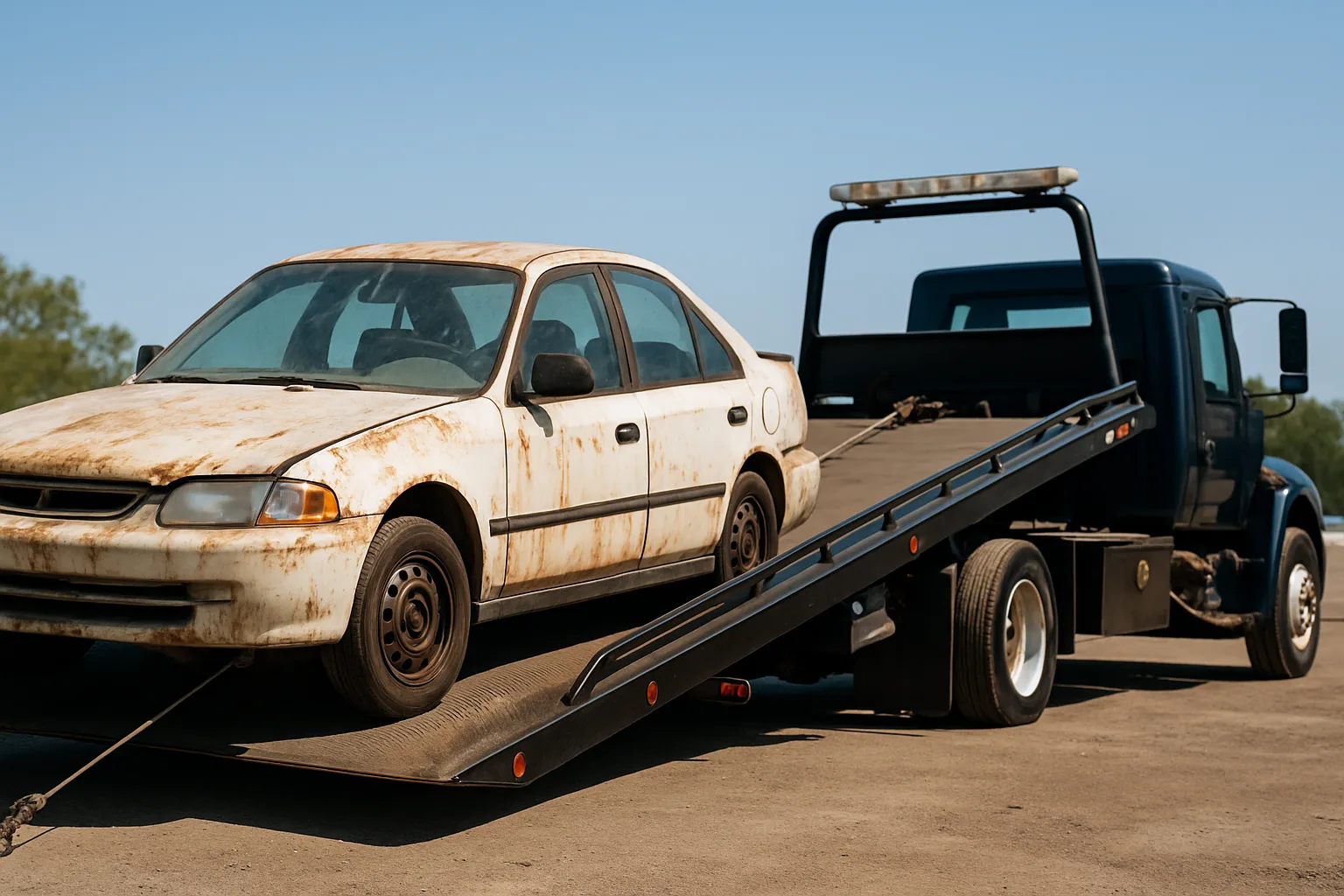
Why Scrap Car Prices Vary by Make, Model, and Condition — A Real Breakdown for Memphis Sellers
Most people expect a simple answer when they ask what their junk car is worth. They want a number. What they get instead is "it depends" — and that answer frustrates people, but it's completely accurate. Scrap car prices vary significantly based on make, model, condition, and current metal markets, and understanding why helps you negotiate better and avoid getting lowballed. If you're trying to sell a junk car in Memphis or anywhere else in Tennessee, knowing what drives your car's value is the first step to getting a fair deal.
This isn't about abstract economics. It's about the actual weight of your F-150 versus your Civic, the catalytic converter sitting under your Prius, and whether your engine still turns over. Let's break it all down.
The Biggest Factor: Vehicle Weight and Metal Composition
When a scrap yard buys your car, they're mostly buying metal. That means the single biggest driver of scrap value is how much metal your vehicle contains — and what kind. Scrap steel typically makes up the bulk of a vehicle's weight, but prices fluctuate constantly based on mill demand, export markets, and regional supply.
A full-size pickup truck or a large SUV can weigh anywhere from 4,000 to 6,000 pounds. A compact sedan might come in under 3,000 pounds. More metal means more money — plain and simple. But it's not just total weight. The mix matters too.
- Steel and iron: The foundation of scrap value. Most of your car's body, frame, and engine block is ferrous metal.
- Aluminum: Worth significantly more per pound than steel. Newer vehicles use more aluminum in hoods, wheels, and engine components — that adds up.
- Copper: Found in wiring harnesses, motors, and radiators. Even small amounts of copper significantly boost a vehicle's non-ferrous value.
- Catalytic converters: A category of their own. These contain platinum, palladium, and rhodium — precious metals that can make a single cat worth hundreds of dollars depending on the vehicle.
This is exactly why buyers assess make and model before quoting a price. They already know the approximate weight and metal breakdown for a 2014 Chevy Silverado versus a 2013 Honda Fit. You're not just selling a car — you're selling a known commodity with a known composition.
How Make and Model Drive Scrap Car Value
Two cars from the same year can have dramatically different scrap values. A Toyota Tundra and a Toyota Yaris are both Toyotas — but they sit at opposite ends of the value spectrum. Make and model affect scrap pricing in several direct ways.
Catalytic converter content is the biggest wildcard. Some manufacturers use higher concentrations of precious metals in their cats. Certain Honda, Toyota, and Ford models — especially hybrids and trucks — contain cats that command premium prices. If you're looking to sell catalytic converters online or factor them into your car's overall scrap value, your vehicle's make is one of the first things any serious buyer checks.
Beyond the cat, make and model determine:
- Parts demand: If your make is popular in the region, parting it out before scrapping may yield more than selling it as scrap weight. In Memphis, where trucks and full-size vehicles are common, working parts from domestic trucks often have strong local demand.
- Aluminum content: Newer German and Japanese vehicles, along with many American trucks, use more aluminum. Higher aluminum content means better per-pound returns.
- Engine type: Diesel engines and large displacement V8s often contain more copper and aluminum than smaller four-cylinders.
- Transmission type: Automatic transmissions contain more metal and sometimes more aluminum than manual units.
Platforms like compare scrap metal bids from verified buyers account for these variables automatically when buyers place competitive offers. That's how you avoid the single-buyer phone call where you have no idea if the number you're hearing is fair.
Condition Changes Everything — But Maybe Not the Way You Think
Here's where sellers often get confused. When someone says "it's just a junker," they assume condition doesn't matter much. That's wrong. Condition affects value in ways that go beyond whether the car runs.
Running vs. non-running: A vehicle that starts and drives is worth more. It expands the potential buyer pool — someone might flip it, repair it, or use it for parts. A non-running car is almost purely a scrap weight play, which narrows your options.
Completeness: A car that's missing its catalytic converter, engine, transmission, or wheels is worth less — sometimes significantly less. Scrappers price those missing components into their offer. If someone already stripped your cat, expect a lower quote.
Body and structural integrity: Severe rust, fire damage, or flood damage can affect which parts are salvageable and how the vehicle can be transported. Flood-damaged vehicles in particular often have extensive copper wiring corrosion, which reduces non-ferrous yield.
Fluid integrity: A car with no major leaks is easier and cheaper to process. Vehicles with significant fluid contamination require more handling and disposal costs at the yard — that cost gets passed back to the seller.
None of this means a beat-up, stripped, flood-damaged car has zero value. It still has steel. But understanding what reduces value helps you set realistic expectations before you call anyone for a cash for cars Tennessee quote.
Regional Markets Matter — Why Memphis Prices Aren't the Same Everywhere
Scrap metal is a commodity, and like any commodity, local supply and demand shape pricing. A yard in Memphis doesn't set prices the same way a yard in Detroit or Houston does. Regional factors that affect what you're offered include:
- Local buyer competition: More scrap buyers in a market means more price competition. If you're in a rural area with one buyer, you have less leverage.
- Mill proximity: Yards near steel mills can move ferrous metal faster and cheaper. That efficiency sometimes gets passed to sellers.
- Transport costs: If you're offering Memphis scrap metal services, buyers factor in fuel, driver time, and tow truck availability. A car far from the yard costs more to collect.
- Seasonal demand: Spring and fall often see higher vehicle turnover. More inventory can soften prices; high demand from mills can push them up.
Tennessee is a major logistics hub — Memphis especially — which generally means reasonable access to scrap infrastructure. But "reasonable access" doesn't automatically mean you're getting the best price. The only way to know your local market rate is to get multiple offers. That's exactly what free scrap car pickup from GetMyScrapCar is built around — connecting you with competitive buyers rather than leaving you guessing.
The Make/Model/Condition Combo: Real-World Comparison Examples
Let's make this concrete. The following aren't guaranteed prices — scrap metal prices fluctuate daily and vary by market — but they illustrate the logic behind valuation differences.
High-value end of the spectrum:
- Full-size domestic pickup trucks (heavy, aluminum content, premium cats on newer models)
- Toyota Prius and hybrid vehicles (catalytic converters with high precious metal loading)
- Large SUVs with complete drivetrain and intact exhaust systems
Mid-range:
- Mid-size sedans in fair condition, running or recently stopped running
- Minivans with intact exhaust and most major components present
- Older domestic cars that are complete but non-running
Lower value end:
- Compact cars with stripped cats or missing engines
- Heavily rusted or flood-damaged vehicles
- Vehicles missing major components like transmission, wheels, or doors
Always check current rates before accepting any offer. Prices shift with steel futures, precious metal spot prices, and regional demand. A scrap car value calculator can give you a baseline, but a live quote from a competitive buyer network is more reliable than any static tool.
If you want to understand how buyers in your area are pricing loads and what's driving local scrap metal demand, SMASH tracks exactly that. SMASH brings vetted buyers into a competitive auction format so sellers get real market data — not a single yard's take-it-or-leave-it number.
How to Get the Best Price When You Sell Your Junk Car in Memphis
Knowing what affects your car's value is step one. Acting on that knowledge is step two. Here's how to approach your sale strategically:
- Don't strip the car yourself unless you know what you're doing. Removing a catalytic converter without understanding its value — or damaging it in the process — can cost you more than you gain.
- Get at least two or three quotes. One quote tells you nothing. Three quotes tell you where the market actually sits for your specific vehicle.
- Document what's present. Know whether your car has its cat, engine, transmission, and wheels. Buyers will ask, and having clear answers builds trust and speeds up the process.
- Be honest about condition. Buyers can see a car when they arrive. If you've been upfront, the offer sticks. If you oversold condition, expect a last-minute price drop.
- Ask about free towing. Many legitimate buyers — including through GetMyScrapCar — offer free pickup. Don't pay for towing out of your payout if you don't have to.
Ready to find out what your car is actually worth? Schedule your free scrap car removal and get a real offer based on your specific vehicle — not a generic guess. Whether your car runs or not, whether it's a truck or a compact, you deserve a price that reflects actual market value, not the first number someone throws at you.
For more guides on getting the most from your junk vehicle, read more junk car removal guides — practical, no-fluff information built for real sellers.
Frequently Asked Questions
Q: How do I find out what my junk car is worth in Memphis?
Start by getting multiple quotes from buyers who serve the Memphis area. Your car's make, model, year, weight, and condition all factor into the offer. Online tools can give you a rough estimate, but a live quote from a vetted buyer is more accurate — especially in a market where scrap metal prices shift regularly.
Q: Does a non-running car still qualify for scrap car removal in Memphis?
Yes. Most scrap car buyers — including those who offer free pickup — handle non-running vehicles. You'll typically need to provide your title and be honest about the car's condition. Non-running cars may fetch slightly less than running ones, but they still have scrap metal value.
Q: Does the catalytic converter really affect how much I get for my junk car?
Absolutely. On certain makes — especially hybrids and larger trucks — the catalytic converter can represent a significant portion of your car's total scrap value. Buyers factor in the cat's precious metal content when quoting you. A stripped or missing cat will reduce your offer.
Q: What documents do I need to sell a junk car in Tennessee?
In Tennessee, you'll typically need a clean title to sell a vehicle to a scrap buyer. If you've lost your title, you may be able to obtain a duplicate through the Tennessee Department of Revenue. Some buyers will work with you on title situations — ask upfront before you commit to a sale.
Q: Is scrap car removal in Memphis actually free, or are there hidden fees?
Legitimate scrap car removal services offer free towing with no hidden deductions from your payout. Always confirm upfront that the quote you receive is what you'll actually be paid after pickup. If a buyer tries to lower the price when they arrive, that's a red flag — get it in writing before they show up.
If your junk car has been sitting long enough, it's time to turn it into cash. Get a real offer based on your vehicle's actual make, model, and condition — and schedule your free scrap car removal today at getmyscrapcar.com.
Stay ahead of scrap metal market shifts — follow SMASH on LinkedIn for industry updates, buyer insights, and market pricing trends.