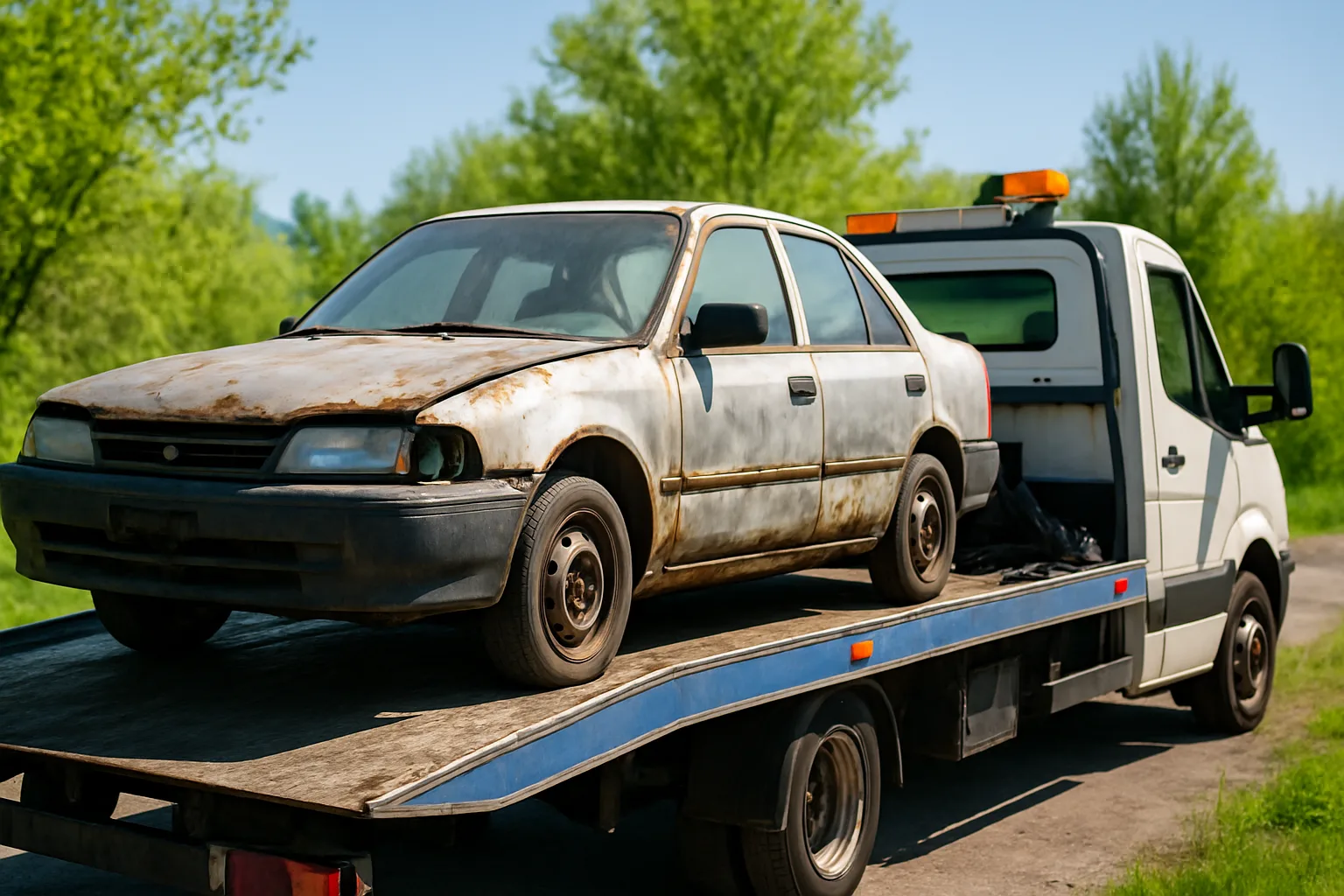
From Assembly Line to Scrap Yard: Understanding the Full Lifecycle of a Car (And What It Means for Scrap Car Value Today)
Most cars spend 10 to 15 years on the road before they retire — but that's not the end of the story. Every vehicle that rolls off a factory floor is, eventually, destined for a scrap yard. Understanding that journey changes how you think about scrap car value today and what your old vehicle is actually worth when it reaches the end of the line.
This week's market recap isn't just about numbers. It's about context. What makes a car valuable at end-of-life? How does Michigan's industrial history shape the scrap market in 2026? And what should you know before you call a junk car buyer or hand over your keys? Let's break it down from the beginning.
Stage One: Manufacturing and the Raw Materials Inside Your Car
Before your car ever hit the road, it was a pile of raw materials. Steel, aluminum, copper, platinum, palladium, rhodium, rubber, plastic — a typical passenger vehicle contains roughly 25 to 30 different recoverable materials. The average car weighs between 3,000 and 4,500 pounds, and about 65% of that weight is steel and iron alone.
That composition matters enormously when you're trying to understand scrap car value today. A heavier vehicle with more ferrous metal — think full-size trucks or older American sedans built before aluminum-intensive manufacturing became standard — often returns more on a per-ton basis than a lightweight compact. But weight isn't the only factor. The specific materials inside the car, particularly catalytic converters and copper wiring, can dramatically shift the total value.
- Steel and iron: The foundation of most scrap car value, priced per ton on the commodity market
- Aluminum: Found in wheels, engine blocks, and body panels on newer vehicles — worth significantly more per pound than steel
- Copper: Present in wiring harnesses, motors, and electronics — one of the most valuable non-ferrous metals in any vehicle
- Catalytic converters: Contain platinum group metals and are among the highest-value components on any end-of-life car
- Plastic and glass: Lower recovery value but recyclable in specialized streams
Automakers in and around Dearborn, Michigan have been engineering vehicles for over a century. That manufacturing heritage means the region's scrap yards process everything from classic steel-heavy American muscle to modern aluminum-bodied pickup trucks. The diversity of material composition makes scrap metal inventory management critical for yards that want to price accurately and attract serious buyers.
Stage Two: The Working Life of a Vehicle (And Why It Matters at End-of-Life)
How a car was used determines much of its scrap value. A well-maintained vehicle that ran for 200,000 miles might still have a functioning catalytic converter, intact wiring, and usable body panels. A car that sat in a field for a decade in Michigan winters might be heavily oxidized, with stripped components and a converter that's corroded beyond recovery value.
Buyers and scrap yards factor in several conditions during valuation:
- Vehicle age and model year — Older vehicles often have more steel; newer ones more aluminum and electronics
- Overall condition — Running vehicles sometimes attract parts buyers or rebuilders in addition to scrappers
- Completeness — Missing catalytic converters, batteries, or copper wiring reduces total value significantly
- Location — Being within range of active scrap buyers matters. If you're in Dearborn or anywhere in the greater Michigan market, you're in a dense industrial corridor with real buyer competition
- Title status — Some buyers won't touch a no-title vehicle. Others, particularly those focused on scrap weight rather than resale, will. If you're searching for junk car buyers near me for cash no title, those buyers exist — but your pool narrows
The working life stage also determines what parts, if any, get pulled before the car hits the crusher. Yards that run a systematic scrap metal inventory management process — logging what comes in, cataloguing reusable parts, tracking converter serials — operate more efficiently and can offer more informed pricing to sellers. That's the operational difference between a professional recycler and a pile-it-in-the-corner operation.
Stage Three: End-of-Life Processing — What Actually Happens at the Scrap Yard
Once a vehicle arrives at a recycling facility, the clock starts on a fairly standardized process. First, depollution — draining all fluids including oil, coolant, brake fluid, and refrigerants. These are regulated materials and every legitimate yard handles them according to EPA and state environmental standards. In Michigan, those regulations are enforced, and reputable operations take compliance seriously.
After depollution, the high-value components get removed. The catalytic converter comes off first — it's often the single most valuable item on an end-of-life car. Then the battery, wheels (if aluminum), and any reusable parts flagged during intake. What's left goes to the crusher or shredder.
Shredded steel from vehicles is one of the primary feedstocks for electric arc furnace steel production. That steel gets melted down and becomes new product — structural beams, appliances, new car components. The cycle genuinely is circular. A vehicle manufactured in a Dearborn plant decades ago might end up as raw material for a new product rolling off a line in 2026.
This is where platforms like sell your scrap metal on the SMASH marketplace come in. Once a yard has processed a load — whether it's crushed cars, non-ferrous metal, or stripped components — getting competitive offers from vetted buyers changes the margin equation entirely. The old way was one buyer, one phone call, one price. SMASH runs an auction format that creates real price discovery based on actual market competition.
What Determines Scrap Car Value Today in the 2026 Market
Scrap metal prices move constantly. Steel prices respond to global demand, energy costs, trade policy, and mill activity. Non-ferrous metals like copper and aluminum have their own separate market dynamics. In 2026, the market continues to reflect post-tariff volatility alongside strong domestic demand for recycled feedstock from EV battery manufacturers and construction sectors.
For sellers, that volatility cuts both ways. Timing matters. Getting multiple offers — rather than accepting the first quote from the one yard that called back — is the practical way to make sure you're not leaving money on the table. If you're near Dearborn or anywhere in Michigan, you have access to multiple active buyers. Use that geography to your advantage.
Key factors shaping scrap car value today:
- Current steel and iron prices — The bulk of most car's weight, so commodity price swings hit your payout directly
- Catalytic converter PGM prices — Platinum, palladium, and rhodium prices fluctuate independently of base metals
- Aluminum spot price — Relevant if your vehicle has a significant aluminum content
- Local buyer competition — More active buyers in your area means better price discovery
- Fuel costs and logistics — Yards factor in tow distance; being in a dense metro area like greater Dearborn typically helps
Disclaimer: All metal prices fluctuate based on market conditions. Check current rates before making any decisions about timing your scrap car sale.
One more note for context: searches for scrap car value UK reflect a different regulatory and pricing environment than the U.S. market. If you're in the States — and particularly if you're in Michigan — the relevant comparison points are domestic commodity markets and regional buyer networks, not overseas pricing benchmarks.
How to Sell Your Scrap Car Without Getting Taken Advantage Of
Sellers get shortchanged when they don't know what they have. That's the honest reality. A yard that knows you don't know your converter's value will price accordingly. The fix isn't complicated — it's information and competition.
Here's the practical process for getting a fair deal when you're ready to sell scrap car Dearborn or anywhere else in Michigan:
- Know your vehicle basics — Year, make, model, approximate weight, and whether the converter is still on the car
- Get multiple quotes — Don't accept the first offer. Three quotes minimum gives you a realistic market baseline
- Ask about the converter separately — Some yards quote the whole car. Others will break out the converter value. Know which conversation you're having
- Clarify title requirements upfront — If you don't have a title, ask before you book a tow. If you're searching junk car buyers near me for cash no title, focus on scrap-weight buyers rather than resellers
- Confirm pickup logistics — Is pickup free? Is there a tow fee buried in the quote? Free scrap car pickup from GetMyScrapCar means no surprise deductions from your payout
For the yard side of the equation, SMASH is built exactly for this. When a recycler lists loads on the SMASH scrap metal auction platform, vetted buyers compete. That competition reveals the actual market price — not just whatever one buyer decided to offer that day. If you're a yard operator in Michigan reading this, that's a real operational advantage. Sell your scrap metal on the SMASH marketplace and stop guessing what your loads are worth.
Ready to Move Your Car? Here's What Happens Next
If your vehicle has reached the end of its working life — it's not worth repairing, it's not moving under its own power, or it's just been sitting on your property long enough — the next step is straightforward. Get a quote, confirm pickup, get paid. The lifecycle of that vehicle continues beyond your driveway. It becomes raw material for something new.
Whether you're in Dearborn, Detroit, or anywhere else across Michigan, schedule your free scrap car removal and get a fair quote based on what your vehicle is actually worth in today's market. No subscription fees, no runaround. Read more junk car removal guides if you want to go deeper before you make a decision — understanding the process is the best way to make sure you're not leaving cash behind.
The car had a good run. Time to close the loop.
Frequently Asked Questions
Q: What is scrap car value today for a typical junk vehicle in Michigan?
Scrap car value today depends on the vehicle's weight, metal composition, condition, and current commodity prices. In Michigan's active scrap market, a standard passenger car can range from a modest payout to several hundred dollars depending on these variables. Always get multiple quotes and check current metal prices before you commit. Prices fluctuate — what one yard offers today may differ significantly from what another offers tomorrow.
Q: Can I sell my scrap car in Dearborn without a title?
Some junk car buyers in Dearborn and the broader Michigan market will purchase vehicles without a title, particularly if the car is going straight to scrap rather than resale. Your buyer pool narrows, but it doesn't disappear. Be upfront about the title situation when you request a quote so there are no surprises at pickup.
Q: How do I find junk car buyers near me for cash no title?
Search for scrap-focused buyers rather than resellers or wholesalers — they care about the metal weight, not the paperwork chain. GetMyScrapCar works with buyers who handle no-title vehicles in many markets. Contact us directly to confirm eligibility for your specific situation before scheduling.
Q: What parts of my junk car are worth the most money?
Catalytic converters typically hold the highest individual value due to the platinum group metals inside. After that, aluminum wheels, copper wiring, and the battery all contribute meaningfully to total payout. The bulk steel and iron from the body and frame makes up most of the weight-based value.
Q: Is free scrap car pickup actually free, or are there hidden fees?
With GetMyScrapCar, pickup is genuinely free — there's no tow fee subtracted from your quote after the fact. Always confirm this upfront with any buyer you contact. Some operations quote a price and then deduct a tow fee at the time of pickup, which effectively reduces your payout. Clarity before you book is the best protection.
Stay current on scrap metal market trends and industry insights by following SMASH on LinkedIn. Weekly updates, pricing context, and practical yard operations content — no filler, just the information that matters.