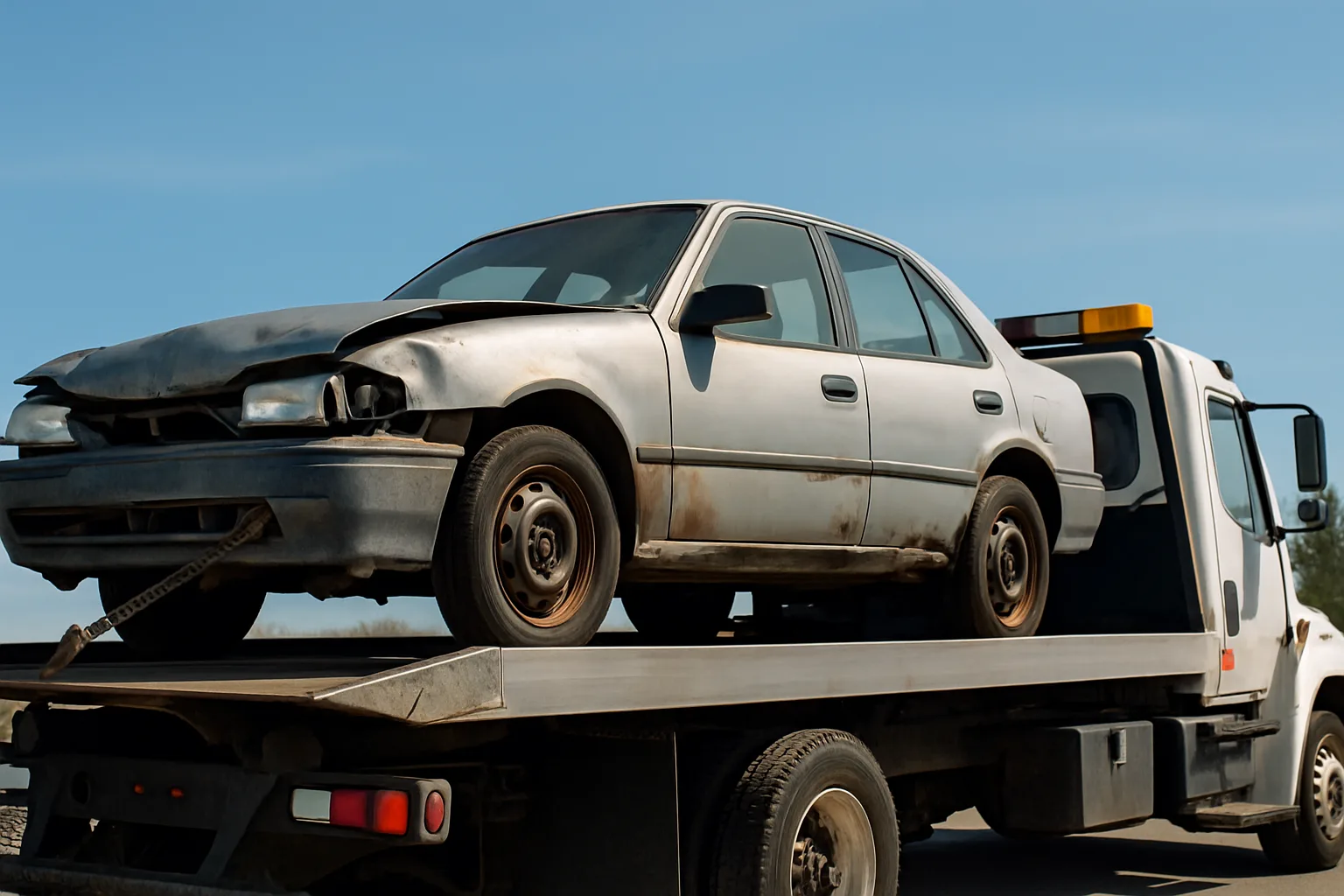
Your Junk Car Doesn't Disappear — Here's Exactly Where It Goes
Most people assume their old vehicle vanishes the moment the tow truck pulls away. Out of sight, out of mind. But what actually happens at an auto recycler after scrap car removal in Fort Worth is a structured, methodical process — and understanding it can help you make smarter decisions about who you sell to and what your car is actually worth.
Auto recyclers in Texas process thousands of end-of-life vehicles every year. Each one goes through a specific sequence of steps before a single pound of metal gets sold. None of it is random. And the more you know about that process, the better positioned you are to negotiate fair value before you hand over your keys.
Step One: The Vehicle Arrives and Gets Documented
The first thing that happens when your car rolls into a recycling yard is documentation. The yard records the VIN, logs the make, model, year, and condition, and assigns the vehicle an internal tracking number. This isn't busywork — it's how the yard knows exactly what inventory it's sitting on at any given moment.
Modern yards use scrap metal inventory management tools to track every vehicle from intake to final processing. VIN lookup systems help identify which parts carry the most resale value before anyone picks up a wrench. Serial tracking on high-value components — catalytic converters, engines, transmissions — protects against theft and keeps the supply chain honest. Platforms like the SMASH scrap metal auction marketplace are built around this kind of documentation infrastructure, helping yards connect vetted buyers with accurately catalogued material.
Photo documentation happens at intake too. Yards photograph the vehicle from multiple angles. This matters later when buyers are bidding on parts or bulk loads — nobody wants to discover damage that wasn't disclosed upfront.
Step Two: Hazardous Fluids Get Drained First — Every Time
Before anything gets removed, the vehicle goes through depollution. This is non-negotiable and federally regulated. Every end-of-life vehicle contains fluids that can't legally enter the ground or water supply.
Here's what gets drained or removed during depollution:
- Engine oil — typically 4 to 6 quarts per vehicle
- Transmission fluid
- Coolant (antifreeze)
- Brake fluid
- Power steering fluid
- Gasoline or diesel remaining in the tank
- Refrigerant from the A/C system — requires certified technicians
- Mercury switches in older vehicles
- Airbag inflators — handled as hazardous material
This step protects the environment and also protects the yard from serious regulatory liability. In Texas, environmental compliance for vehicle recyclers is enforced at the state level, and yards that cut corners face significant penalties. When you use a reputable service for free scrap car pickup from GetMyScrapCar, your vehicle goes to facilities that follow these protocols — not backyard operations that skip the compliance steps.
Step Three: High-Value Parts Get Pulled Before the Crusher Sees It
Once the vehicle is drained and documented, the real value extraction begins. Skilled dismantlers go through the car systematically, pulling parts that still have resale life. This is where the economics of auto recycling actually happen.
The parts that typically get removed first include:
- Catalytic converter — often the single highest-value component due to the platinum, palladium, and rhodium inside
- Engine and transmission — if they're functional or rebuildable
- Alternator, starter, and other electrical components
- Wheels and tires — especially alloys in good condition
- Body panels and glass — doors, hoods, and windshields move fast in the used parts market
- Seats and interior trim — for popular makes and models
- Radiator and copper-based components — non-ferrous metals command premium prices
The catalytic converter alone is worth flagging. Prices for cats fluctuate based on the platinum group metals market, and a single converter from certain trucks or SUVs can be worth several hundred dollars. If you're curious about how junk car buyers near me in Fort Worth are valuing your specific vehicle, the cat is often a major factor — especially on older domestic trucks, which are plentiful in this part of Texas.
Parts that don't get pulled for resale go into bulk scrap lots. Non-ferrous metals like copper, aluminum, and brass are separated from steel. Each material stream has its own buyer and its own price. This is where transparent pricing platforms make a real difference — yards that put their bulk non-ferrous lots up for competitive auction through platforms like SMASH get better price discovery than yards calling a single buyer and accepting whatever offer comes back.
What Happens to the Steel: Shredding and Bulk Processing
After dismantling is complete, the remaining shell — stripped of fluids, parts, and non-ferrous components — heads to the crusher or shredder. In a large processing yard, a vehicle can go from whole shell to flattened hulk in under a minute. The crushed vehicles get stacked and baled, then sold to shredder facilities.
Shredders reduce the steel into fist-sized chunks called shred or shredded scrap. This material gets magnetically separated to pull out any remaining ferrous metal, while aluminum and other non-ferrous metals get recovered through eddy current separation and other sorting processes. The end product is clean, sorted scrap that steel mills and foundries buy by the ton.
Steel prices — like all commodity prices — move constantly. The price you'd get for a ton of shredded scrap in Fort Worth today is different from what it was six months ago. This is why scrap metal inventory management and real-time market access matter. Yards that hold material and sell strategically — using auction platforms to reach competitive buyers rather than just calling one contact — tend to recover more value per ton over time.
For vehicle owners, this price volatility is also why junk car prices can shift week to week. If you've been quoted a number for your car, it's worth confirming that quote is still valid before your scheduled pickup day. Prices for a full-size pickup truck running around 3,500 to 4,500 pounds of steel are meaningfully different from prices for a compact sedan under 2,500 pounds.
Disclaimer: Scrap metal and junk car prices fluctuate based on commodity markets, vehicle condition, and regional demand. Always verify current rates before finalizing a sale.
Local Recycling in Fort Worth: What Makes This Market Different
Fort Worth and the broader Dallas-Fort Worth metro sit in one of the most active vehicle recycling corridors in the country. The sheer volume of trucks, SUVs, and commercial vehicles in this region means yards here process a different mix than, say, a coastal market. Full-size pickups and work trucks dominate the scrap vehicle supply, which affects both parts pricing and bulk metal yields.
Texas also has its own vehicle title and salvage regulations that impact how yards handle documentation at intake. If your car has a clean title, the process is straightforward. Salvage or non-running vehicles may require additional paperwork, but a reputable service will walk you through what's needed. You can explore Fort Worth scrap metal services to see exactly what the local process looks like for your vehicle type.
If you're ready to move forward, schedule your free scrap car removal and get a same-day quote on what your vehicle is actually worth in today's market. No subscription, no runaround — just a straightforward offer and a scheduled pickup.
Want to understand more about how the industry works before you sell? Read more junk car removal guides covering everything from title requirements to maximizing your payout based on vehicle weight and condition.
Frequently Asked Questions
Q: How long does the scrap car removal process take in Fort Worth?
Most pickups in the Fort Worth area happen within 24 to 48 hours of your quote being accepted. Same-day service is often available depending on location and volume. The actual pickup typically takes under 30 minutes once the driver arrives.
Q: Do I need the title to scrap my car in Texas?
In most cases, yes — Texas requires a title to legally transfer ownership of a vehicle for scrapping. If you've lost your title, you can apply for a replacement through the Texas Department of Motor Vehicles. Some buyers may work with alternative documentation for very old vehicles, but this varies.
Q: What factors affect junk car prices in Fort Worth?
Vehicle weight is the biggest factor — heavier vehicles yield more scrap steel. Make and model matter too, because they determine which parts still have resale value, especially the catalytic converter. Current steel and non-ferrous metal commodity prices also directly affect your offer, so prices shift with the market.
Q: Does it matter if my car runs or not?
No — junk car buyers purchase non-running, wrecked, and flood-damaged vehicles regularly. A running vehicle may fetch a slightly higher offer if the drivetrain has resale value, but most buyers base their offer primarily on weight and parts value rather than whether the car starts.
Q: What happens to my personal information after the car is scrapped?
Before your car is processed, you should remove all personal items and any garage door openers or parking passes. The yard will record the VIN for compliance purposes, but personal data on in-car systems (navigation history, paired phones) should be cleared before you hand over the vehicle — most modern vehicles have a factory reset option in the settings menu.
If you've got a vehicle sitting in the driveway that's done its job, the recycling process is cleaner, more organized, and more valuable than most people expect. Get a free quote and schedule your free scrap car removal at GetMyScrapCar — no pressure, no hidden fees, just a fair offer and a truck at your door.
Follow SMASH on LinkedIn for ongoing scrap metal market updates, price trend insights, and industry news that helps you sell smarter.