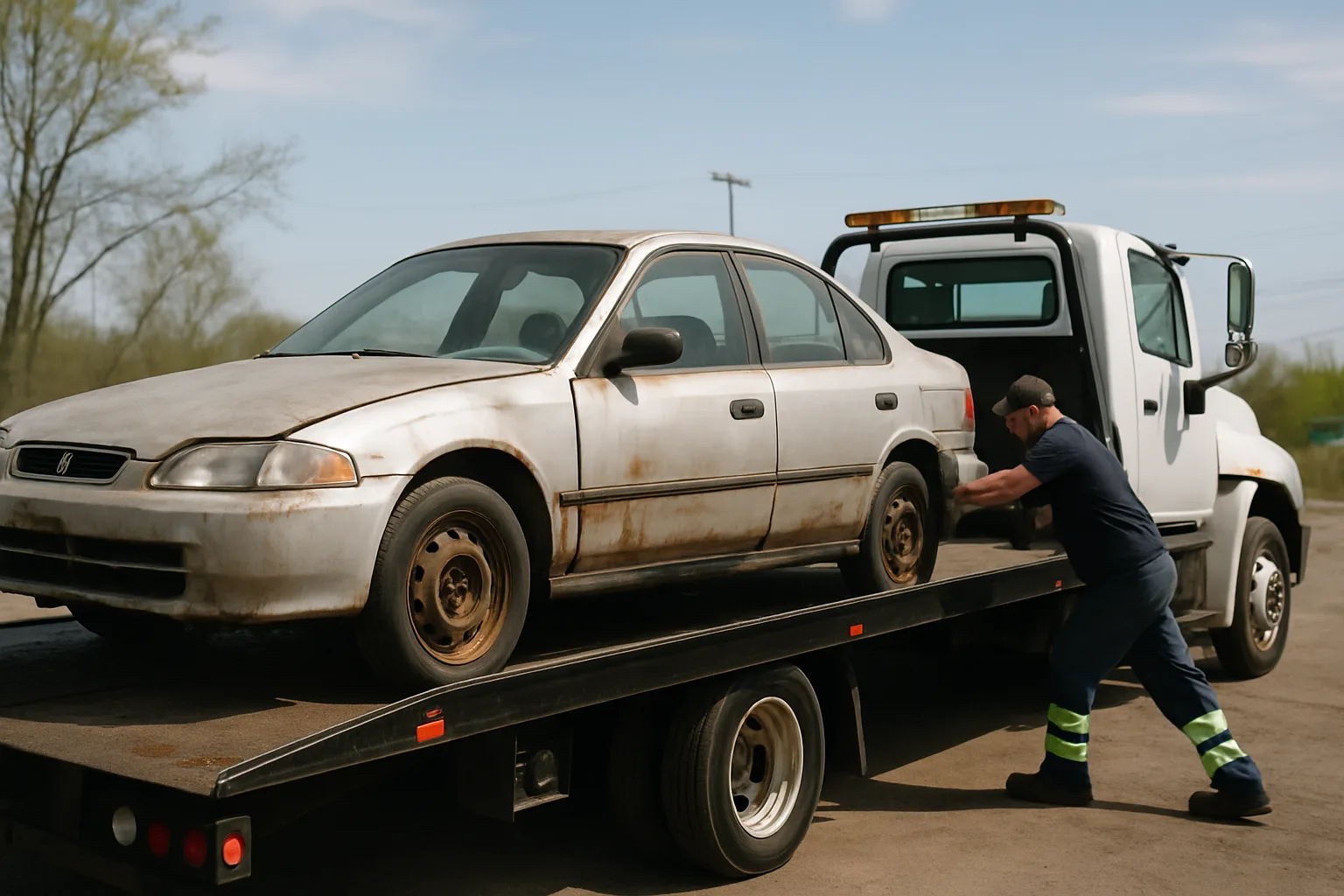
What Actually Happens to Your Junk Car After Pickup — and Why It Matters
Most people think scrapping a car means it disappears into a crusher and that's the end of it. The reality is more interesting — and more environmentally significant — than that. A single end-of-life vehicle contains hundreds of pounds of reusable steel, recoverable fluids, resalable parts, and materials that require careful handling to keep out of the soil and water supply. How that process is managed determines whether your old car becomes a resource or a liability.
If you're searching for cash for junk cars Pittsburgh, understanding the recycling process helps you ask better questions, choose responsible buyers, and feel good about where your vehicle ends up. Here's what the full lifecycle of a scrapped car actually looks like — from your driveway to the mill.
Step One: Depollution — The Part Most People Skip Over
Before a vehicle gets anywhere near a shredder or a crusher, it has to be depolluted. This is the most environmentally critical step in the entire process, and it's also the step that separates responsible junk car buyers from fly-by-night operators.
Depollution means draining and properly disposing of every hazardous fluid in the vehicle. A typical end-of-life car contains:
- Engine oil — typically 4 to 6 quarts, toxic to groundwater
- Coolant/antifreeze — sweet-smelling and highly toxic to animals
- Brake fluid — absorbs moisture and degrades, must be contained
- Power steering fluid
- Transmission fluid
- Air conditioning refrigerant — regulated under the Clean Air Act, requires certified recovery equipment
- Fuel — residual gasoline or diesel must be removed before crushing
- Battery acid — the lead-acid battery must be pulled and recycled separately
Reputable yards in Pennsylvania are required to follow EPA and state DEP guidelines on fluid recovery. If a buyer skips depollution and sends a vehicle straight to the crusher, those fluids end up in the ground or the air. When you choose a licensed, vetted buyer for your vehicle, you're choosing a cleaner outcome — not just for you, but for your community.
How Usable Parts Get Salvaged Before the Car Is Crushed
After depollution, a skilled dismantler pulls every part that still has resale value. This phase dramatically reduces the amount of raw material that needs to be reprocessed, which lowers energy consumption across the entire supply chain. Think of it as the recycling step before the recycling step.
Parts that commonly get pulled and resold include:
- Engines and transmissions with remaining life
- Catalytic converters (cats) — often one of the highest-value components on the vehicle
- Alternators, starters, and other core components
- Doors, hoods, fenders, and body panels in usable condition
- Wheels, tires, and rims
- Seats, dashboards, and interior trim
- Mirrors, headlights, and taillights
- Electronics and infotainment systems
Catalytic converters deserve special mention. The precious metals inside — platinum, palladium, and rhodium — are genuinely valuable and 100% recyclable. If you're selling a car that still has its cat intact, that's a significant part of its scrap value. Platforms like SMASH Scrap — where verified buyers bid on your metal help ensure you're not leaving money on the table when components like cats go to market. Transparency matters when recoverable value is on the line.
The Shredding and Metal Separation Process
Once the usable parts are pulled, what's left — the hulk — gets processed through an industrial shredder. These machines are massive. A modern auto shredder can reduce a full vehicle body to fist-sized chunks of mixed metal in under 60 seconds. The output is a mix of ferrous metal (steel and iron), non-ferrous metal (aluminum, copper, zinc), and shredder residue.
Separating those materials is where the science gets impressive. The process typically works like this:
- Magnetic separation — powerful magnets pull ferrous steel from the shredded material. Steel is by far the largest component of a vehicle by weight.
- Eddy current separation — non-ferrous metals like aluminum get ejected using induced magnetic fields. They're non-magnetic but still conductive, so the physics works.
- Density-based sorting — heavier metals like copper and zinc are separated from lighter materials through air classification and water-based systems.
- Shredder residue processing — the remaining fluff (foam, rubber, glass, plastic) goes through additional processing. Modern facilities increasingly recover usable material from this stream rather than landfilling it.
The recovered steel heads to electric arc furnaces where it gets melted down and recast into new steel products. Recycled steel uses significantly less energy than producing steel from raw ore — it's one of the most energy-efficient recycling loops in heavy industry. Your old Pittsburgh-area daily driver may literally end up as rebar in a building or structural steel in a bridge.
What Eco-Friendly Disposal Means for Pittsburgh Sellers
Pittsburgh has a long and complicated relationship with steel. The mills that once defined this city are largely gone, but the recycling infrastructure that feeds modern steelmaking is very much alive across western Pennsylvania. When you scrap a vehicle here, you're feeding into a regional supply chain that has real economic and environmental significance.
Choosing a responsible buyer for your junk car means more than just getting a fair price. It means your vehicle's fluids won't end up near a local waterway. It means reusable parts get a second life instead of a landfill. It means recovered metals go back into productive use. And it means you're working with a buyer who can document the transaction properly — which matters if you're concerned about title liability after the sale.
If you're looking for Pittsburgh scrap metal services that handle vehicles responsibly, the buyer's credentials and process should be part of your conversation, not just the price. Vetted, licensed buyers take this process seriously. Cut-rate operators often don't.
For sellers navigating situations like cash for cars no title no registration, working with a knowledgeable buyer matters even more. A good buyer can walk you through what documentation you need in Pennsylvania and what your options are — without making you feel like you're doing something wrong for having a complicated situation.
How to Get the Most Value From Your Scrap Vehicle — Without the Runaround
Here's the honest version of how most people sell junk cars: they call one buyer, get one number, accept it because they don't know any better, and wonder later if they left money on the table. That's the old way. It's inefficient, and it's not in your favor.
The smarter approach is price discovery. That means getting your vehicle's recoverable value in front of multiple vetted buyers and letting competition do the work. When buyers know they're competing, prices reflect actual market conditions rather than whatever a single buyer feels like offering that day.
That's exactly the problem that platforms like SMASH were built to solve. Free scrap car pickup from GetMyScrapCar connects you with buyers who are competing for your vehicle — not just taking a shot at the lowest offer they think you'll accept. The combination of professional pickup logistics and competitive buyer access is the practical upgrade most sellers don't know exists.
A few things that genuinely affect your vehicle's scrap value:
- Weight — heavier vehicles yield more steel. Full-size trucks and SUVs typically return more than compact cars on steel weight alone.
- Catalytic converter presence — intact and original cats carry real value. Aftermarket replacements are worth less.
- Non-ferrous content — aluminum-heavy vehicles (certain trucks, imports) can yield better returns on the non-ferrous side.
- Completeness — missing engines, transmissions, or major components reduce value. Buyers price for what's actually there.
- Current metal market conditions — steel and non-ferrous prices fluctuate. Timing matters, though it's not always predictable.
When you schedule your free scrap car removal, be ready to describe your vehicle accurately. Year, make, model, condition, what's missing — the more honest and complete your description, the more accurate your quote will be. Surprises at pickup slow everything down.
Want to go deeper on the process before you call? Read more junk car removal guides to understand exactly how pricing works, what documentation you need in Pennsylvania, and how to avoid common seller mistakes.
You've got a car that's done its job. Getting rid of it the right way — through a licensed buyer who handles depollution properly, recovers usable parts, and sends recovered metals back into the supply chain — is genuinely the better choice. And it puts cash in your pocket. Get a free quote for your scrap car and schedule your free pickup at getmyscrapcar.com. No obligation, no pressure, no guessing.
Disclaimer: Scrap metal prices fluctuate based on market conditions. The values described in this article are general in nature. Check current rates at time of sale for the most accurate pricing.
Frequently Asked Questions
Q: How do I get cash for junk cars in Pittsburgh without a title?
It depends on the buyer and the specific situation. In Pennsylvania, some buyers will accept alternative documentation such as a valid driver's license, registration, or a bill of sale for older vehicles. Your best move is to call a reputable local buyer, explain your situation honestly, and let them walk you through what Pennsylvania requires. Don't assume you can't sell — many title situations are more workable than people expect.
Q: What happens to my car after it gets picked up in Pittsburgh?
After pickup, your vehicle goes through a multi-step process: depollution (fluid removal), parts salvage (usable components resold), shredding, and metal separation. The recovered steel and non-ferrous metals go to mills and processors to be reused in new manufacturing. It's one of the most complete recycling loops in heavy industry.
Q: How long does junk car removal take in the Pittsburgh area?
Most reputable buyers can schedule same-day or next-day pickup depending on availability and your location. The actual removal typically takes under an hour once the truck arrives. You'll get paid on the spot, usually by cash or check, and receive a receipt for your records.
Q: Does my car need to run to sell it for scrap in Pennsylvania?
No. Most junk car buyers will take non-running vehicles — that's actually most of what they handle. A flat-bed tow truck handles the pickup regardless of the vehicle's condition. Whether it's been sitting for two years or just blew its engine last week, you can still sell my car for cash Pittsburgh without needing it to move under its own power.
Q: How is scrap car value calculated for vehicles in Pittsburgh?
Scrap car value is primarily driven by vehicle weight (steel content), catalytic converter value, non-ferrous metal content, and current market prices for those materials. Completeness of the vehicle also matters — missing major components like the engine or transmission reduce the offer. Getting multiple buyers to compete for your vehicle is the most reliable way to see real market value rather than one buyer's opening bid.
Follow SMASH on LinkedIn for ongoing scrap metal market insights, industry updates, and tips for getting more from every load you move.