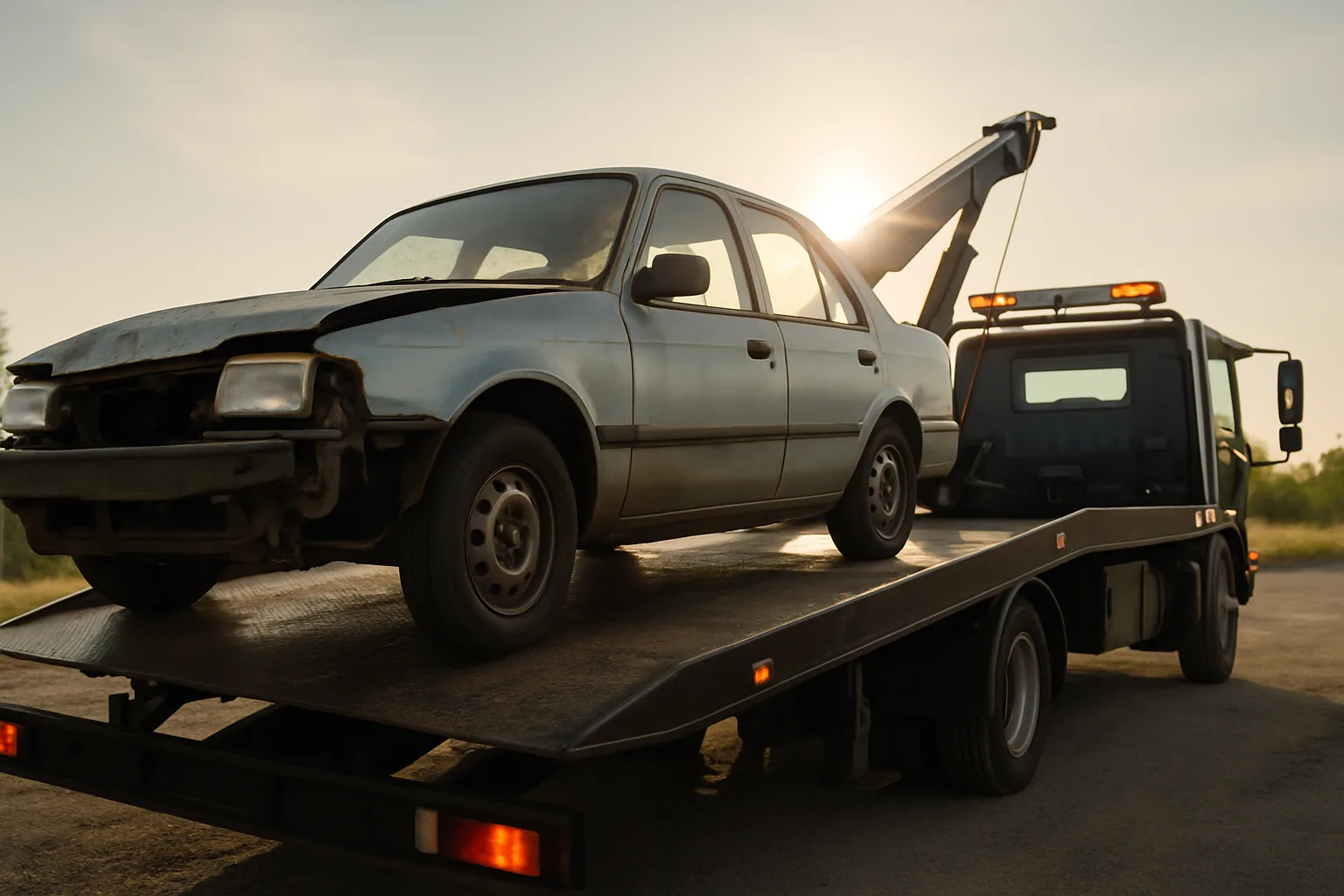
Most vehicle owners think scrap car prices are fixed — set by the weight of the metal and nothing else. They're wrong. The calendar plays a bigger role in what you get paid than most people realize, and if you're sitting on a junk car in St. Paul right now, timing your sale could make a real difference to your payout.
This isn't filler. Weather and seasons create genuine swings in scrap metal demand, salvage yard capacity, and buyer competition — all of which affect how much junk car buyers near me St. Paul are willing to offer on any given day. Understanding those patterns helps you make a smarter decision about when to sell, and who to sell to.
Why Scrap Car Prices Are Never Truly "Fixed"
Steel, aluminum, copper, and catalytic converter metals all trade on open markets. Those markets move daily based on global demand, energy costs, and domestic recycling volumes. When scrap yards are overwhelmed with inventory — say, after a brutal Minnesota winter floods the market with wrecked and corroded vehicles — prices tend to soften. When yard capacity is tight and buyers are competing for fewer loads, prices firm up.
Seasonal patterns layer on top of that. Scrap metal is a commodity. Like corn or oil, it responds to supply and demand cycles that repeat year after year with enough regularity that experienced yard operators plan around them. If you're trying to get the best return on your end-of-life vehicle, understanding these cycles isn't optional — it's the edge most private sellers never bother to find.
Platforms like sell your scrap metal on the SMASH marketplace exist precisely because price discovery in the scrap industry has historically been opaque. More buyers competing on a documented load means better price discovery, full stop.
How Minnesota Winters Affect Scrap Car Supply — and Your Price
St. Paul winters are no joke. Temperatures regularly drop well below zero, and the city's aggressive road salting accelerates rust and corrosion on vehicles already past their prime. That's a structural supply problem for local scrap buyers, and it plays out every single year in a predictable sequence.
Here's what actually happens:
- Late fall (October–November): Sellers try to move junk cars before winter. Supply spikes temporarily. Yards become selective. Prices can dip modestly as buyer appetite gets satisfied quickly.
- Deep winter (December–February): Pickup logistics get harder. Fewer sellers call in. Tow trucks have tighter windows. Some buyers reduce activity. This can actually create a short supply window where buyers still active may pay more to keep their yards fed.
- Spring thaw (March–May): The phones ring. Everyone who sat on their car all winter calls at once. Supply surges. Yards get busy fast. Prices can soften briefly under the volume, but buyer competition also picks up — which partially offsets the glut.
- Summer (June–August): Demand tends to stabilize. Active buyers are operating at full capacity. This is historically a solid window for sellers. It's August 2026 right now — that's worth noting if you're sitting on a car you've been putting off moving.
None of this is a guarantee. Prices fluctuate based on far more than just season — global steel markets, domestic scrap export demand, and fuel costs for haulers all matter. But the seasonal pattern is real, and it repeats.
The Weather Variable Most Sellers Don't Think About
Beyond the broad seasonal arc, short-term weather events create their own price swings. In Minnesota, this shows up in a few specific ways that directly affect what cash for cars St. Paul buyers will quote you on a given week.
After a major storm: Insurance write-offs flood the local market. Yards may temporarily lower prices on private party sales because their lots are already filling with collision-damaged inventory. This is a short-term effect — usually two to four weeks — but it's real. If you can wait out the post-storm glut, you may get a better quote.
During extreme cold snaps: Buyers get operationally cautious. Tow truck availability drops. Some buyers temporarily reduce their purchasing until logistics normalize. This can create a window where fewer buyers are active — which, paradoxically, may mean the buyers still operating have less competition and can offer slightly lower prices. Or they may offer competitive prices just to keep volume moving. It genuinely varies by yard.
Spring flooding years: In years when snowmelt or rain causes flooding in the Twin Cities metro, salvage operations can be disrupted. Yards located in lower-lying industrial areas may pause intake. Again — knowing your local market matters here. Working with a vetted buyer network, rather than cold-calling one yard, protects you from getting caught in one buyer's operational disruption.
What This Means If You Want to Sell Your Scrap Car in Minnesota
The practical takeaway for anyone looking to sell scrap car in Minnesota is this: don't assume the first quote you get is the right one, and don't assume the price is the same every week of the year. It isn't.
Here's how to position yourself well regardless of season:
- Document your vehicle thoroughly. Buyers pay more when they know what they're buying. Photos, VIN, approximate weight, condition notes — all of this reduces buyer uncertainty and gives them confidence to bid higher. Uncertainty drives prices down.
- Get multiple quotes. One phone call to one yard is how people leave money on the table. Competition reveals the market. It's that simple.
- Understand what's actually valuable. A running engine has different value than a stripped shell. Catalytic converters, non-ferrous metals, and intact components all affect price independently of the base scrap weight. Know what you have.
- Time your sale when you can. If you're not in a rush, avoid the post-storm surge periods and the late-fall glut. Late spring and summer tend to be active buying windows with reasonable buyer competition in the Twin Cities market.
That said — if the car needs to go, it needs to go. Don't sit on a vehicle for three months chasing a marginally better price. A junk car on your property is a liability. It's depreciating. It may be racking up storage or registration costs. Getting a fair price now, from a vetted buyer, beats waiting for a perfect price that may never materialize.
If you're ready to move, you can schedule your free scrap car removal and get a quote without committing. No obligation to accept. But at least you'll have a number to work with.
How SMASH Helps Sellers Get Better Price Discovery Year-Round
The core problem with the traditional scrap car selling process — one call, one buyer, one price — is that it gives you zero information about what the actual market will bear. You're not negotiating. You're just accepting or declining a single data point.
SMASH changes that dynamic. As a scrap metal auction platform, SMASH connects sellers with a network of vetted buyers who compete for loads. That competition is what creates real price discovery. Instead of wondering if your quote is fair, you see what multiple buyers are actually willing to pay. Documentation through SMASH — photos, VIN lookup, condition records — gives buyers the confidence to bid competitively rather than building in a cushion for unknowns.
This matters year-round, but it matters especially during the shoulder seasons when prices are in flux. More buyers bidding means the seasonal softness in one buyer's market gets offset by appetite from others. That's the structural advantage of an auction format over a single-buyer phone call.
For more context on how to navigate the scrap car process, read more junk car removal guides covering everything from title requirements to what affects your final payout.
Getting Cash for Your Junk Car in St. Paul — What to Expect
If you've never sold a junk car before, the process is more straightforward than most people expect. Here's a realistic rundown of what happens when you work with a reputable buyer in the St. Paul area.
Step 1 — Get your quote. You provide basic vehicle information: year, make, model, condition, and whether it runs. The buyer uses this to estimate weight and assess any component value beyond base scrap.
Step 2 — Schedule pickup. Most reputable buyers offer free towing. In the St. Paul metro, same-day or next-day pickup is often available depending on the season and buyer capacity. Winter logistics may push that window slightly, which is just a reality of operating in Minnesota.
Step 3 — Transfer the vehicle. You'll need to sign over the title if you have one. If you don't have a title, some buyers will still purchase the vehicle — requirements vary by state and buyer. Minnesota has specific title transfer rules, so confirm with your buyer upfront if title is an issue.
Step 4 — Get paid. Payment is typically cash or check on pickup, or direct transfer depending on the buyer. Confirm payment method before the truck shows up.
If this is your first time and you're not sure where to start, free scrap car pickup from GetMyScrapCar is a straightforward entry point — no complex process, no hidden fees.
Disclaimer: Scrap metal prices fluctuate based on market conditions, global commodity markets, and local buyer demand. The price ranges and seasonal patterns described in this article reflect general industry dynamics and should not be taken as guaranteed pricing. Always check current rates directly with buyers before committing to a sale.
Frequently Asked Questions
Q: Do junk car buyers near me in St. Paul pay less in winter?
Not necessarily, but logistics can slow down during extreme cold snaps, and some buyers reduce activity temporarily. Late fall often sees softer prices due to increased seller supply. Summer and stable weather windows tend to support more active buying. Get multiple quotes regardless of season rather than assuming one quote reflects the full market.
Q: What is the best time of year to sell a scrap car in Minnesota?
Late spring and summer tend to be solid windows — buyer activity is high, logistics are uncomplicated, and yard capacity is typically healthy. That said, the best time to sell is when you have a competitive quote from a vetted buyer and you're ready to move the vehicle. Timing matters, but not more than getting actual competition on your load.
Q: Can I get cash for my junk car in St. Paul if I don't have a title?
Some buyers will purchase a vehicle without a title, but requirements vary. Minnesota has specific rules around title transfers for end-of-life vehicles. Confirm with your buyer upfront — some will accept alternative documentation like a registration or bill of sale for older vehicles, while others require a clean title to complete the transaction.
Q: How do I know if the quote I'm getting for my scrap car is fair?
The only real way to know is to get more than one quote. A single buyer's offer gives you zero market context. Platforms that create buyer competition — like SMASH — give you actual price discovery rather than one operator's number. Document your vehicle thoroughly with photos and accurate condition information, since better documentation typically supports stronger offers.
Q: Does the condition of my car affect the scrap price beyond just weight?
Yes. Catalytic converters, intact engines, non-ferrous metals, and reusable components all have value beyond base scrap weight. A vehicle with a functioning catalytic converter, for example, may be worth meaningfully more than its steel weight alone suggests. Accurate documentation of what's actually on the vehicle helps buyers price it correctly — and competitively.
Ready to get your junk car off your property? Get a free, no-obligation quote and schedule your free scrap car removal directly at getmyscrapcar.com. No pressure, no guesswork — just a straightforward process from pickup to payment.
Stay current on scrap metal market trends and industry insights by following SMASH on LinkedIn — practical updates for yard operators and sellers across North America.