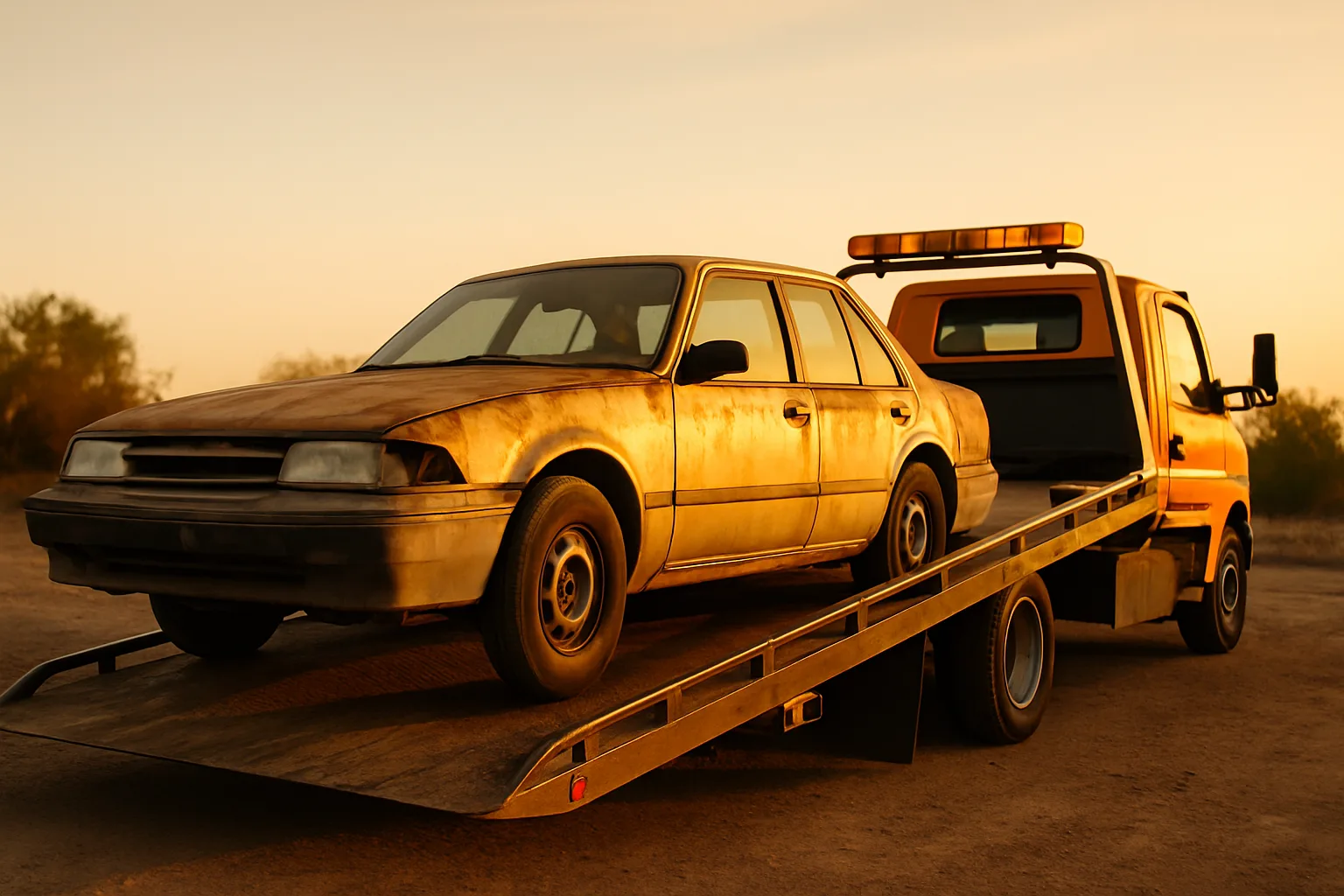
How Junk Car Removal Works: A Step-by-Step Guide for Tucson Vehicle Owners
Nearly 12 million vehicles reach the end of their useful life every year in the United States — and a surprising number of them sit in driveways for months before their owners do anything about it. If you've got a dead, damaged, or simply unwanted vehicle taking up space, understanding exactly how junk car removal works can turn that problem into cash faster than you think. This guide walks you through the entire process, from your first phone call to the moment a tow truck pulls away.
Whether you're in Tucson dealing with a car that finally gave out in the summer heat, or anywhere else in Arizona trying to figure out your options, the process is straightforward — once you know what to expect.
Step 1: Know What You Have Before You Call
Before you contact any junk car buyers near me Tucson searches turn up, take ten minutes to gather basic information about your vehicle. This prep work directly affects the offer you'll receive. Buyers need specifics, not guesses.
Here's what to have ready:
- Year, make, model, and trim level — a 2015 Ford F-150 XLT and a base model aren't worth the same
- Current mileage — even on a non-running vehicle, odometer reading matters
- Vehicle condition — be honest about what's broken, missing, or damaged
- Whether you have the title — this is critical in Arizona and most U.S. states
- Location — is it drivable? Is it accessible for a tow truck?
The title question deserves extra attention. Arizona requires a clean title to legally transfer a junk vehicle. If yours is lost, you can apply for a duplicate through the Arizona Motor Vehicle Division before selling. Some buyers will work with you on title issues, but it slows things down. Handle it early.
Also — and this is worth knowing — the catalytic converter on your vehicle has real standalone value. Platforms like SMASH Scrap — where verified buyers bid on your metal have made catalytic converter auction markets more transparent, meaning the value of that component is no longer just whatever one buyer decides to tell you it's worth. We'll come back to that.
Step 2: Get Multiple Quotes — Don't Settle for the First Offer
This is where most people leave money on the table. The first buyer you call gives you a number, it sounds reasonable, and you say yes. The problem? You have no idea whether that number reflects the actual market. Cash for cars Tucson is a competitive space — multiple buyers are actively looking for vehicles, and they don't all price the same load the same way.
Getting two or three quotes takes maybe 20 minutes total. The spread between the lowest and highest offer can be significant, especially on trucks, SUVs, and vehicles with intact catalytic converters or reusable parts. Don't skip this step.
When comparing quotes, watch for these details:
- Is towing included, or is there a separate fee?
- Is the quoted price guaranteed, or subject to change on arrival?
- When will they pay — on pickup, or after the vehicle is processed?
- Do they handle the title transfer paperwork, or is that on you?
A buyer who offers slightly less but includes free towing and same-day cash may be the better deal. Run the full numbers, not just the headline offer.
Step 3: Understand What Drives Your Scrap Car's Value
If you want to sell scrap car in Arizona and get a fair price, you need to understand what buyers are actually paying for. It's not just the weight of steel.
Scrap car value comes from several components:
- Ferrous metal (steel and iron) — the body and frame. This is priced by the ton and fluctuates with global steel markets.
- Non-ferrous metals — aluminum wheels, copper wiring, brass fittings. These command significantly higher prices per pound than steel.
- The catalytic converter — this is often the highest-value single component on a junk vehicle. Cats contain platinum, palladium, and rhodium. Their value varies enormously by make and model.
- Reusable parts — engines, transmissions, doors, and electronics that still function can be resold, which some buyers factor into their offer.
- Fuel remaining in the tank — minor, but some processors note it.
Scrap metal prices shift constantly based on commodity markets, so any quote you receive reflects conditions on that specific day. A scrap car value calculator can give you a rough ballpark, but real quotes from active buyers in your area are always more accurate. For the most current numbers, always verify directly with buyers rather than relying on any figure you read online — including here.
Disclaimer: Scrap metal and vehicle prices fluctuate based on market conditions. Always check current rates directly with buyers before making decisions.
Step 4: Schedule Pickup and Prepare Your Vehicle
Once you've accepted an offer, scheduling is usually fast. Most reputable junk car removal services in the Tucson area offer same-day or next-day pickup. The Tucson market is active enough that buyers aren't short on capacity.
Before the tow truck arrives, do these things:
- Remove all personal belongings — check under seats, in the trunk, in door pockets, and in the glove box. People routinely leave important documents, tools, chargers, and personal items.
- Remove your license plates — in Arizona, plates stay with the owner, not the vehicle. Return them to the MVD or transfer them to another vehicle.
- Cancel your insurance — do this the day the vehicle leaves. There's no reason to keep paying premiums on a car you no longer own.
- Have your title signed and ready — in Arizona, you sign the back of the title to transfer ownership. The buyer should provide a bill of sale.
- Notify the MVD — Arizona allows you to submit a sold/transferred notice online, which protects you from any liability after the sale.
Make sure the vehicle is accessible. If it's in a tight garage, behind another car, or on soft ground that would bog down a flatbed, tell the buyer in advance. Most experienced scrap car removal crews handle difficult pickups regularly, but they need a heads-up to bring the right equipment.
Step 5: The Pickup Day — What Actually Happens
The tow truck arrives. Here's the sequence:
The driver will inspect the vehicle to verify it matches the description you gave. If everything checks out, you sign the title over, they give you your payment, and the truck loads the vehicle. The whole process typically takes 20–30 minutes on-site. You get cash (or a check, depending on the buyer), and that's it.
If the vehicle's condition doesn't match what you described — a missing catalytic converter, significant damage you didn't mention, or a different trim than quoted — the buyer may revise the offer on the spot. This is why honesty upfront saves everyone time. A revised offer on the driveway is frustrating. Getting an accurate quote from the start avoids it.
For vehicles with higher-value components, platforms like free scrap car pickup from GetMyScrapCar connect you with buyers who actually compete for your vehicle — rather than leaving you dependent on whoever answers the phone first. Competition matters. It's the difference between price-taking and price discovery.
How SMASH Changes the Game for Scrap Vehicle Sellers
Here's where the traditional model breaks down: you call one buyer, they give you a number, and you have almost no leverage. You don't know if the offer is fair. You don't know what the catalytic converter on your specific vehicle is worth. You're guessing.
SMASH operates differently. Rather than a single buyer making you a take-it-or-leave-it offer, SMASH runs a vetted buyer auction format where multiple buyers compete for your load. That competition can help reveal the real market value of what you're selling — not just what one company decides it's worth on a given Tuesday morning.
The catalytic converter auction model is particularly relevant here. Cats are routinely the most valuable component on a scrap vehicle, and their prices vary dramatically by vehicle make and model. SMASH's approach to documenting and auctioning cats — with photo documentation, serial tracking, and verified buyers — brings transparency to a market that has historically been opaque.
If you're curious about how scrap yards and processors are using these tools, you can read more junk car removal guides that break down the market mechanics behind what your vehicle is actually worth.
For Tucson scrap metal services specifically, local market conditions in southern Arizona — proximity to major recycling infrastructure, cross-border metal markets, and the sheer volume of end-of-life vehicles in the region — mean there's real buyer demand. Use it.
When you're ready to move, schedule your free scrap car removal and let the process work for you rather than against you. No subscription fees, no runaround — just a straightforward transaction that puts cash in your hand and clears your driveway.
Frequently Asked Questions
Q: How do I find junk car buyers near me in Tucson?
Start with a search for junk car buyers near me Tucson and collect at least two or three quotes before committing. Look for buyers who include free towing, pay on pickup, and handle the title transfer paperwork. GetMyScrapCar connects Tucson vehicle owners with active buyers in the area — no cold-calling required.
Q: Do I need a title to sell my junk car in Arizona?
Yes. Arizona requires a title to legally transfer ownership of a vehicle, even a non-running junk car. If you've lost your title, apply for a duplicate through the Arizona Motor Vehicle Division — it typically takes a few days to process. Some buyers may work with you on title issues, but having it ready speeds things up significantly.
Q: How much is my junk car worth in Tucson?
Value depends on the year, make, model, condition, current scrap metal prices, and the status of components like the catalytic converter. Prices fluctuate with commodity markets, so the best approach is to get live quotes from multiple active buyers rather than relying on a fixed estimate. Always verify current rates directly — any published figure can be outdated within days.
Q: How fast can I get my junk car picked up in Arizona?
Most junk car removal services in the Tucson area offer same-day or next-day pickup. The process on pickup day typically takes 20–30 minutes once the driver arrives. Having your title signed and your personal items removed beforehand keeps things moving without delays.
Q: What happens to my car after it's picked up?
Your vehicle goes to a licensed auto recycler or scrap processor. Reusable parts are pulled and resold. Fluids are drained and disposed of according to environmental regulations. The remaining metal — steel, aluminum, copper — is processed and sold to mills and smelters. The catalytic converter is typically sold separately due to its precious metal content, often through auction formats that help establish accurate market pricing.
If your junk car has been sitting long enough, it's already costing you — in space, in insurance, in opportunity. The process to get rid of it takes less time than most people expect. Get an accurate picture of what your vehicle is worth, compare offers, and let a reputable buyer handle the rest. GetMyScrapCar makes it simple to get a free quote and get your driveway back — reach out at getmyscrapcar.com to get started.
Stay ahead of scrap metal market trends and industry updates — follow SMASH on LinkedIn for regular insights on pricing, buyer activity, and what's moving in the recycling market.